

Why Is Espresso Served in Small Cups?
The first time someone hands you an espresso, the size of the cup is usually the first thing you notice. It is small. Really small. You are used to coffee coming in a mug you can wrap both hands around, and here is this tiny ceramic cup holding what looks like barely two sips of very dark liquid.
It is a fair reaction. But there is a good reason espresso is served this way, and once you understand it, the small cup starts to make perfect sense. The size is not a limitation. It is part of what makes espresso taste the way it does and why it has remained one of the most beloved coffee drinks in the world for well over a century.
San Francisco has a café culture that takes espresso seriously. Walk into any of the best coffee shops in SF and you will find baristas who understand not just how to pull a shot but why every detail of the process matters, including the cup it is served in. This guide explains the reasoning behind espresso’s small serving size, what happens to the drink when it gets too big, and why the cup itself plays a bigger role in your coffee experience than most people ever think about.
What Espresso Actually Is and Why Size Follows Function
Espresso is not just strong coffee. It is a specific brewing method where hot water is forced through finely ground, tightly packed coffee at high pressure, typically around nine bars, in a very short window of time. The entire extraction takes about 25 to 30 seconds. The result is a small, highly concentrated shot of liquid, usually one to two ounces, with a thick, reddish-brown foam on top called crema.
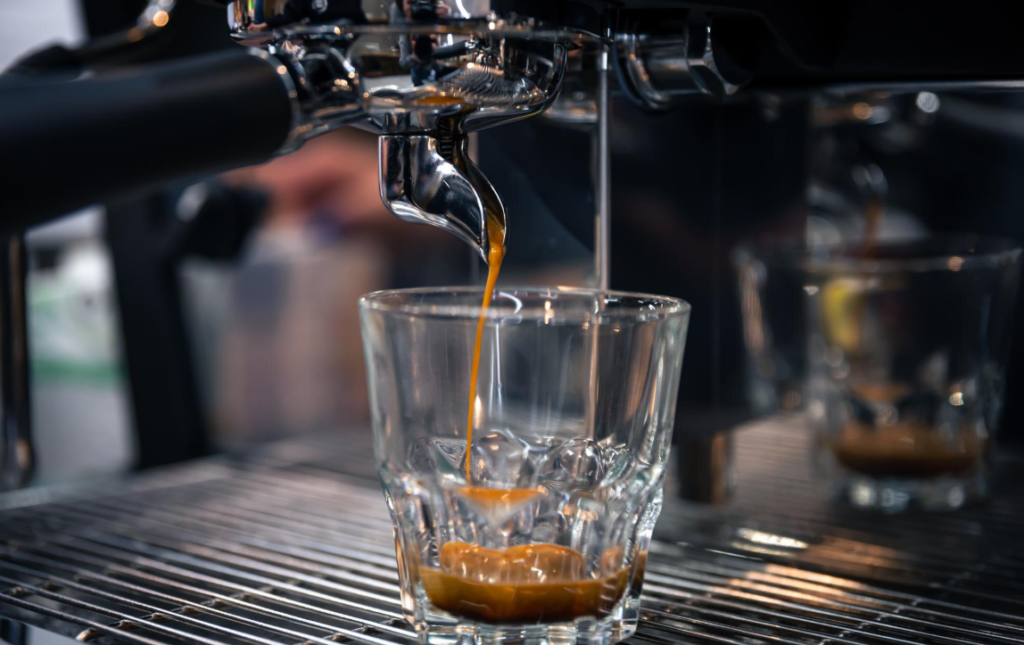
Because espresso is built on concentration rather than volume, a small cup is simply the right container for what it is. A single shot, called a solo, is roughly one ounce. A double shot, called a doppio, is roughly two ounces. These amounts are not arbitrary. They are the natural output of an extraction designed to pull the best from the grounds in that brief window of time. Pull more water through the same grounds and you start extracting the less desirable compounds, the bitter, harsh ones that were better left behind. The shot gets weaker and worse at the same time, which is a frustrating combination.
The small cup holds the right amount and nothing more. It is sized to match the drink, not to match the expectation that more volume equals more satisfaction. This is a mindset shift for a lot of people who grew up drinking larger cups of brewed coffee, but it is one that makes sense once you taste what a properly pulled shot in a proper cup can deliver.
How the Cup Affects the Taste and Temperature
The material and shape of an espresso cup are not incidental. They are part of why espresso tastes its best when served in the traditional small ceramic cup, and why pouring a shot into a large mug changes the experience in ways you can actually taste and feel.
Temperature retention is the first factor. Espresso is served at around 160 to 170 degrees Fahrenheit and is meant to be consumed fairly quickly, usually within a minute or two of being pulled. A thick ceramic espresso cup, especially one that has been pre-warmed, holds heat well in a small volume. The coffee stays at the right drinking temperature for the short time it takes to enjoy it. Pour the same shot into a large cold mug and it loses temperature rapidly, which changes both the flavor and the texture. Compounds that taste pleasant at the right temperature can taste flat or bitter when the drink cools too fast.
The shape of the cup also matters. Traditional espresso cups are wider at the top than at the bottom, which creates a surface area that allows the crema to spread evenly across the top of the shot. This crema is not just visual. It contains aromatic compounds that contribute to the overall flavor experience, and its presence across the surface of the drink means you get those aromas with every sip. A narrow cup traps the crema in a thicker layer. A very wide cup spreads it too thin. The traditional shape is designed to get this balance right.
Here is why the small cup is not just tradition but function:
- It holds exactly the right amount of liquid produced by a proper extraction
- Thick ceramic retains heat well over the short time espresso is meant to be consumed
- Pre-warmed cups prevent the shot from losing temperature on contact
- The cup’s shape allows crema to distribute evenly across the surface
- The small size keeps the coffee concentrated and flavorful from first sip to last
- It encourages drinking the espresso fresh, which is when it tastes best
The Cultural Side of the Small Espresso Cup
The espresso cup also carries cultural meaning that goes beyond function. In Italy, where espresso culture originated and where the drink is deeply woven into daily life, espresso is typically consumed standing at a bar counter in under two minutes. It is a quick, purposeful ritual. The small cup suits that rhythm. You stop, you drink, you go. The size is part of the pace.
This tradition has traveled and adapted across café culture worldwide, including in cities like San Francisco where the food and coffee scene draws from Italian café tradition while also putting its own stamp on it. The best cafes in the Bay Area honor the espresso ritual with the same care that Italian baristas brought to it originally, which includes using the right cup, the right temperature, and the right timing. A coffee lover who understands this gets a lot more out of every visit to a good café than someone who just sees a small drink and wonders if they got short-changed.
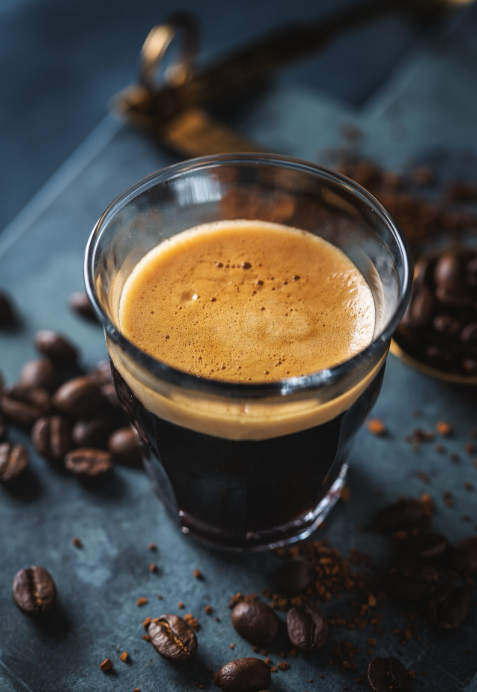
The small cup also has a social function. Ordering an espresso in a café invites a different pace than ordering a large to-go coffee. You sit, or you stand at the counter, and you drink it while it is still good. This creates a moment of presence in the middle of a busy day that people across the Bay Area and beyond have come to value as part of their café culture routine. Some of the best conversations and the quietest moments of reflection happen over a small cup of espresso at a favorite neighborhood spot.
Barista Coffee & Brunch on Sacramento Street in San Francisco is the kind of place that understands this culture and delivers it well. The café brings together hearty breakfast classics and fresh, flavorful brunch creations with the kind of coffee experience that makes the whole visit feel complete. Whether you are ordering a straight double shot to start your morning or a longer milk-based drink built on a well-pulled espresso base, the attention to the process shows in what arrives in front of you.
Tips for Getting the Most Out of Your Espresso Order
If you are someone who loves coffee but has not fully explored espresso on its own, a few simple habits make a real difference in how you experience it.
Drink it while it is fresh. Espresso starts to change within a minute or two of being pulled. The crema begins to dissipate, the temperature drops, and some of the more delicate aromatic compounds fade. The best time to drink it is right away, which is also why good baristas pull shots to order rather than in advance.
Try it without sugar first. Adding sugar to espresso is a personal choice and a common one in many café traditions. But tasting it plain at least once lets you understand what the coffee actually tastes like on its own. A well-pulled shot from quality beans should have natural sweetness alongside its bitterness, and you might be surprised by how balanced it is without any addition.
Notice the crema. A healthy crema, thick and evenly distributed across the surface, is a visual indicator of a well-made shot. Very pale, thin crema can mean under-extraction. Very dark or quickly disappearing crema can indicate over-extraction or beans that are not fresh. Over time, paying attention to this detail helps you recognize quality across different cafés and barista skills.
Ask your barista what they recommend. At the top breakfast places in San Francisco and the best SF brunch spots that take their coffee seriously, the person behind the bar often has a genuine opinion about what is tasting best that day. A short conversation about the current beans or the espresso blend can point you toward a drink you might not have thought to order.
San Francisco has no shortage of great places to explore food and coffee, and understanding why espresso is served the way it is adds a layer of appreciation to every cup. Barista Coffee & Brunch is a café worth visiting whether you are already a devoted espresso drinker or just starting to pay more attention to what makes great coffee great.