

Espresso and Drip Coffee: Key Differences
Most people have a preference between espresso and drip coffee without fully knowing why. Some gravitate toward the bold intensity of a well-pulled shot. Others prefer the familiar comfort of a full mug of brewed coffee that they can sip slowly over the course of a morning. Both drinks come from the same basic ingredients: coffee beans and hot water. But the way those ingredients are brought together could not be more different, and those differences produce two genuinely distinct beverages with their own flavor profiles, textures, caffeine delivery, and best-use cases.
San Francisco has a café culture that celebrates both. At the best coffee shops in SF, you will find baristas who treat drip coffee with the same level of care and attention they give to espresso, because both methods, done well, produce something worth appreciating. Whether you are a long-time coffee lover exploring what makes these two drinks tick, or someone newer to café culture who wants to order with more confidence, understanding the real differences between espresso and drip coffee is one of the most useful things you can know as a coffee drinker. This guide covers it all clearly and practically.
How Each Method Works
The brewing method is where everything starts, and the gap between espresso and drip coffee is significant right from the beginning.
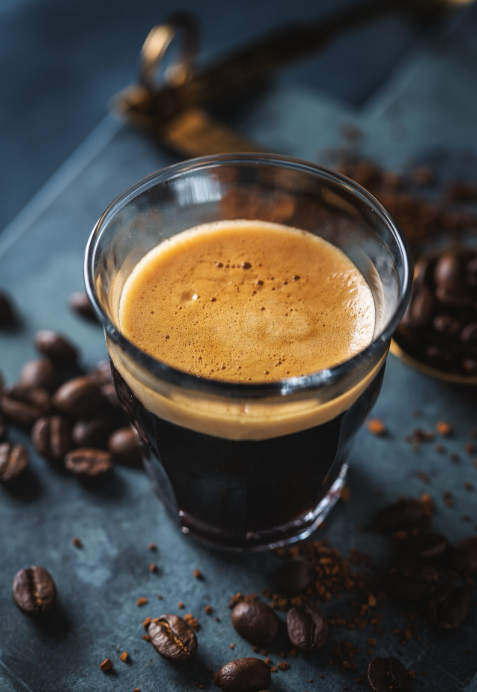
Espresso is brewed under pressure. Finely ground coffee is packed tightly into a small container called a portafilter, and hot water is pushed through it at around nine bars of pressure in roughly 25 to 30 seconds. This high-pressure, short-time extraction pulls an intensely concentrated liquid from the grounds, usually one to two ounces per shot. The pressure also creates something that gravity-based brewing methods cannot: crema. That thick, reddish-brown foam on top of a freshly pulled espresso shot is a byproduct of the pressurized extraction, and it contains aromatic oils that contribute directly to the flavor and mouthfeel of the drink.
Drip coffee works through gravity. Hot water is poured over coarser ground coffee held in a filter, and it slowly drips through the grounds and the filter into a container below. The water is in contact with the coffee for a longer period, anywhere from three to five minutes depending on the method, but there is no pressure involved. The result is a larger volume of liquid that is less concentrated than espresso but still complex and flavorful when made well. Paper filters used in most drip methods absorb the coffee’s natural oils, which is part of why drip coffee tends to taste cleaner and lighter than espresso.
The grind size used in each method reflects these differences. Espresso requires a very fine grind because the water passes through so quickly under pressure. Drip coffee uses a medium grind to allow proper water flow and extraction over the longer contact time. Using the wrong grind for either method produces noticeably worse results. Drip coffee made with espresso-fine grounds becomes over-extracted and bitter. Espresso made with a coarser grind comes out weak, watery, and under-developed.
Flavor, Strength, and Caffeine: What Is Actually Different
This is where a lot of the common misconceptions live. Many people assume espresso has more caffeine than drip coffee because it tastes stronger. The reality is more interesting than that.
Espresso is more concentrated than drip coffee, but a single shot contains less total caffeine than a full cup of drip. A standard one-ounce espresso shot has roughly 63 milligrams of caffeine. A standard eight-ounce cup of drip coffee has between 95 and 165 milligrams, depending on the beans and brewing method. The intensity of espresso comes from concentration and flavor density, not from a higher caffeine content per serving. When you drink a double shot or order a latte built on two shots of espresso, the caffeine totals become more comparable to a cup of drip, but the flavor experience is still completely different.
Flavor is where the two drinks diverge most clearly. Espresso has a full, heavy body and a layered complexity that includes natural sweetness, bitterness, and acidity all present at once in a small, intense package. The crema adds a subtle bitterness and a silky texture that makes every sip feel rich. Drip coffee, filtered through paper, has a cleaner taste with less body. The absence of oils gives it a lighter mouthfeel, and the longer extraction time can bring out different flavor notes than you would get from the same bean pulled as espresso. A bright, fruity Ethiopian bean can taste quite different depending on whether it is brewed as a pour-over or pulled as a shot.
Here is a direct comparison of the key differences:
- Espresso: brewed under pressure, 25 to 30 seconds, very fine grind, one to two ounces per serving
- Drip coffee: gravity-fed, three to five minutes, medium grind, eight to twelve ounces per serving
- Espresso flavor: concentrated, heavy-bodied, complex, with crema
- Drip coffee flavor: cleaner, lighter body, more transparent expression of the bean
- Espresso caffeine per serving: roughly 63 milligrams for a single shot
- Drip coffee caffeine per serving: roughly 95 to 165 milligrams per eight ounces
- Espresso best use: straight shots, milk-based drinks like lattes and cappuccinos
- Drip coffee best use: longer sipping, black coffee, pour-over exploration
Which One Is Right for You
The honest answer is that neither espresso nor drip coffee is universally better. They are better at different things and suit different moments in the day and different preferences in the drinker.
If you want something quick, intense, and satisfying in a small volume, espresso is the right choice. It is also the foundation for most of the milk-based drinks you find at any SF cafe, from flat whites and lattes to cappuccinos and macchiatos. The espresso base is what gives these drinks their structure and complexity, and the quality of that base shot determines how good the finished drink will be. This is why barista skills matter so much in a café context. A well-pulled double shot sets the foundation for every drink built on top of it, and a poorly pulled shot shows up no matter what you add.
If you want to explore the specific flavors of a particular bean, drip coffee and pour-over methods often do a better job of showcasing those nuances. The cleaner extraction highlights acidity and fruit notes in a way that espresso, with its richer body and more intense profile, sometimes masks. Many of the top SF restaurants and best cafes in the Bay Area that focus on single-origin coffee offer both methods specifically because the same bean can reveal different qualities depending on how it is brewed.

For a slower morning, a large mug of well-made drip coffee suits the pace better than a series of small espresso shots. For a mid-afternoon energy moment, a well-pulled double shot delivers quickly and efficiently. Understanding your own rhythm and what you are looking for from your coffee at any given time makes ordering easier and more satisfying.
San Francisco food culture rewards this kind of curiosity. The city has always had a community of coffee lovers and foodies who want to understand what they are drinking and why it tastes the way it does. Cafés that share that curiosity with their customers create something more than just a good cup of coffee. They create a conversation worth having.
Barista Coffee & Brunch on Sacramento Street is a spot that brings this spirit into its food and coffee in a way that feels genuine. From hearty breakfast classics to fresh, flavorful brunch creations, everything on the menu is made with the same care that goes into a well-pulled espresso or a properly brewed drip coffee. It is a place where both methods are respected and both are done well, which is exactly what you want from a neighborhood café worth returning to in a city as food-forward as San Francisco.