

How to Make Fluffy Pancakes Every Time
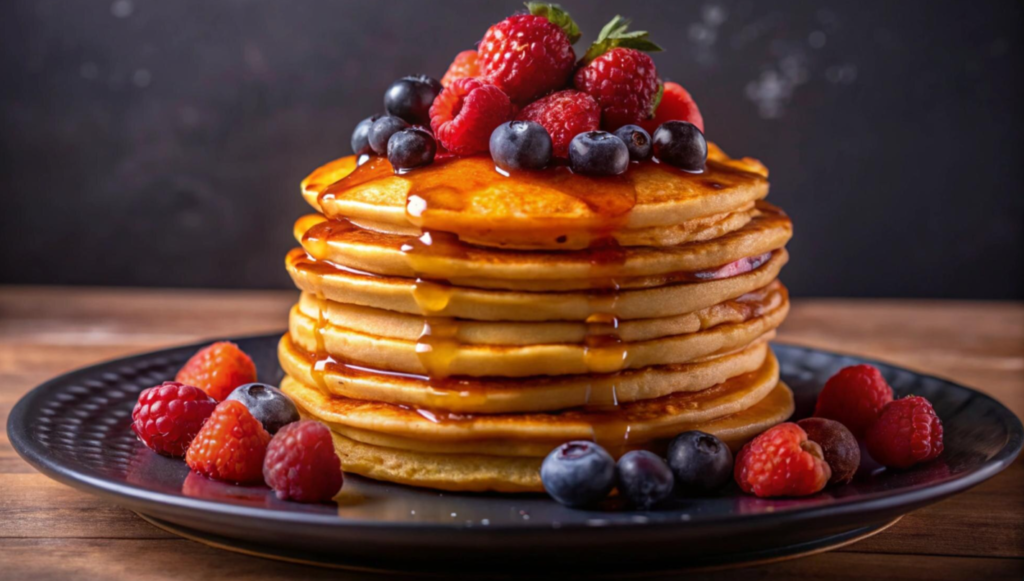
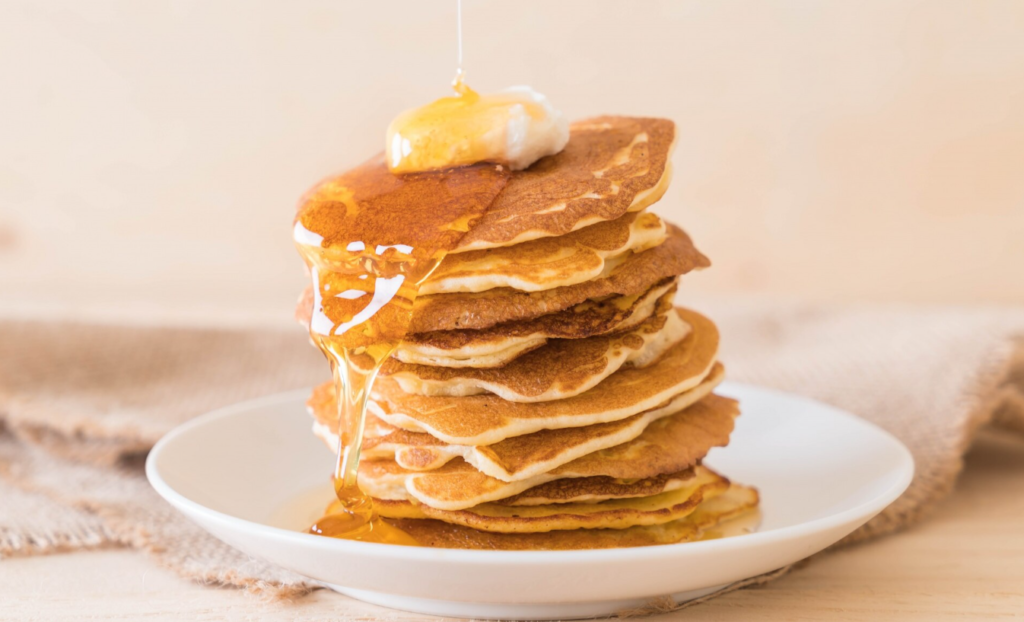
There is a particular kind of satisfaction that comes from a stack of pancakes done right. Not the flat, dense kind that feel more like thick crepes. Not the ones that look impressive but collapse into a gummy center when you cut through them. The ones worth talking about are genuinely tall, light all the way through, with a golden-brown surface that gives just slightly when you press it and a soft interior that holds together without any heaviness.
Getting there consistently is something that a lot of home cooks struggle with, not because pancakes are complicated, but because there are a handful of specific things that make the difference between a flat result and a truly fluffy one, and most recipes do not explain the why behind the steps.
Brunch culture in San Francisco has raised the standard for what a pancake should be. Anyone who has sat down for brunch at one of the best breakfast spots in the city knows the difference between a pancake made with care and one made from a mix with no real attention to technique. Bay Area eats have always pushed toward quality and intention, and pancakes are no exception. Whether you are trying to recreate that experience at home or simply want to understand what goes into the stack you are ordering at an SF cafe, this guide covers every factor that contributes to consistently fluffy pancakes with enough detail to actually change how you cook them.
The Science of What Makes Pancakes Fluffy
Fluffiness in a pancake comes from gas bubbles trapped inside the batter as it sets during cooking. The more bubbles, the more lift, and the lighter the texture. There are two main sources of those bubbles: carbon dioxide produced by a chemical leavening reaction, and air incorporated into the batter through mixing. Understanding how to maximize both without undermining either is the foundation of great pancake technique.
Baking powder is the primary leavening agent in most pancake recipes, and it works through a two-stage reaction. When baking powder gets wet, the first reaction begins immediately, producing carbon dioxide bubbles throughout the batter. The second reaction happens when heat is applied during cooking, producing a second burst of gas that causes the pancake to rise in the pan. This double-action is why baking powder is so effective for pancakes specifically, but it also means that the freshness of your baking powder matters enormously.
Baking powder that has been sitting in a cabinet for more than six months may have lost a significant portion of its potency, and the result is a flatter, denser pancake regardless of everything else you do right. Testing baking powder is simple: drop a teaspoon into hot water and if it bubbles vigorously, it is still active. If it barely reacts, replace it.
Buttermilk is one of the most effective ingredients for fluffy pancakes because it interacts directly with the leavening to create more lift while simultaneously improving the texture of the batter. Buttermilk is acidic, and when it meets baking soda, which is often used alongside baking powder in buttermilk pancake recipes, a chemical reaction produces a significant release of carbon dioxide that creates a lighter, more airy result than regular milk alone can achieve.
The acidity in buttermilk also slightly breaks down the gluten in the flour, which contributes to a more tender texture. If you do not have buttermilk, you can make a workable substitute by adding one tablespoon of white vinegar or lemon juice to one cup of regular milk and letting it sit for five minutes. It is not identical to real buttermilk but it provides the same acid-leavening reaction that creates that characteristic lift and tenderness.
The Most Common Mistakes That Flatten Pancakes
Overmixing is the most consistent cause of flat, tough pancakes, and it is the mistake that trips up the most people because the instinct when making any batter is to mix until smooth. For pancakes, smooth batter is not the goal. The gluten network that develops when flour is mixed with liquid becomes tighter and stronger the more it is worked, and a tight gluten network traps less gas and produces a denser, chewier texture.
Lumps in pancake batter are not just acceptable. They are a sign that the batter has been handled correctly. Mixing should stop the moment the dry ingredients are incorporated into the wet, even if the batter looks uneven. Those lumps will hydrate and smooth out during the brief rest period before cooking, and the pancakes will be significantly lighter for it.
Resting the batter is another step that makes a real and measurable difference in the final texture. After mixing, letting the batter sit for five to ten minutes gives the flour time to fully hydrate, the gluten time to relax slightly, and the leavening reaction time to begin. Pancakes made from batter that goes straight from bowl to pan often turn out slightly denser and less tender than those made from batter that has had even a short rest. This is a small investment of time with a clear payoff.
The temperature of your ingredients also affects the outcome. Cold eggs and cold milk straight from the refrigerator do not incorporate as smoothly into the other ingredients as room temperature ones do, and the uneven temperature can affect how evenly the batter cooks. Taking your eggs and milk out of the refrigerator 20 to 30 minutes before you start makes the batter come together more cohesively and produces a more consistent texture throughout.
Pan temperature is where most home cooks lose control of the cooking process, and it is the variable that determines the surface color and the rise of the pancake more than almost anything else. A pan that is too cold produces pale pancakes that spread too much before they set, because the batter has time to run outward before the proteins begin to coagulate. A pan that is too hot produces a dark, crispy exterior before the interior has had time to cook through and set its structure, leading to the frustrating result of a pancake that looks done on the outside but is raw and gummy in the middle.
The right temperature is medium heat, which in practice means a surface temperature of roughly 375 degrees Fahrenheit. A simple way to test this without a thermometer is to flick a few drops of water onto the pan. If they sizzle and evaporate immediately, the pan is ready. If they dance and roll around before evaporating, the pan is too hot. If they just sit and steam slowly, it needs more time.
The Details That Take Fluffy Pancakes From Good to Great
Beyond the fundamentals of leavening, mixing, resting, and pan temperature, there are several smaller details that separate a genuinely great pancake from a merely acceptable one. These are the kinds of things you notice when you eat at one of the top breakfast places in San Francisco or a well-regarded SF brunch spot, and they are easy to bring into a home kitchen once you know to look for them.
Fat content matters. Pancakes made with whole milk or buttermilk taste richer and have a more satisfying texture than those made with low-fat alternatives. The fat contributes to tenderness and flavor in a way that is difficult to replicate with lower-fat options. Similarly, using melted butter rather than oil in the batter adds a depth of flavor that makes a noticeable difference. Butter and oil both perform the same structural function in the batter, keeping the pancake moist and tender, but butter adds a toasty, dairy richness that oil simply cannot provide.
Separating the eggs and whipping the whites is a technique used in some of the fluffiest pancake styles, including Japanese soufflé pancakes, but it also works in more traditional recipes. When egg whites are whipped to soft peaks and folded into the batter as the last step, they introduce a large volume of air that creates an exceptionally light texture. This step adds a few minutes to the process but the result is noticeably taller and airier than standard pancakes. The key to this technique is the folding. Stirring the whipped whites in would collapse all the air. Folding them in gently, with a few deliberate strokes that turn the batter over rather than mixing it, preserves the structure.
Keeping finished pancakes warm while you cook the rest of the batch is worth doing properly. Stacking pancakes on a plate causes the bottom ones to steam and turn soft from the weight above. Placing them in a single layer on a baking sheet in a 200-degree oven keeps them warm without compromising their texture while you finish cooking.
San Francisco food culture has always celebrated brunch as something worth doing well, and the pancakes at the best Bay Area brunch spots reflect that. Barista Coffee & Brunch on Sacramento Street brings that same commitment to quality to its hearty breakfast classics and fresh, flavorful brunch creations. Whether you are visiting for a weekend brunch or simply inspired to make a better stack at home, the principles behind a truly fluffy pancake are the same wherever you are cooking: quality ingredients, the right chemistry, a light hand with the batter, and enough attention to the details that everything comes together the way it should.