

Tea San Francisco That Doesn’t Make Coffee People Feel Like They Made a Mistake Ordering It
My friend Ren drinks tea. Not as a lifestyle statement or a caffeine alternative or a health decision, just because tea is what she likes and has always liked and she’s never felt the need to explain it further than that.
She lives in San Francisco and spends a significant portion of her social life in coffee shops because that’s where people in this city meet and work and sit and talk and the coffee shop as default gathering place is not going away anytime soon regardless of what you personally prefer to drink. For a long time this meant Ren was the person at the table with something mediocre in her cup while everyone else had something the cafe actually cared about.
Bad tea at coffee shops is a specific and consistent experience she described to me once in detail. The tea bag from a box that’s been sitting in a cabinet since the previous owner of the cafe. The water that’s not quite hot enough because the machine is calibrated for coffee and nobody adjusted it. The cup that arrives with the tea bag already removed after steeping for an indeterminate amount of time that may have been thirty seconds or may have been four minutes. The result that tastes like warm water that once thought about becoming tea and then changed its mind.
She found Barista Coffee and Brunch and ordered tea expecting the usual experience. What she got was something that tasted like the cafe had actually thought about tea as a drink worth taking seriously rather than a menu item they included because some people don’t drink coffee.
She texted me that evening and said she’d found her place. Not her coffee place. Just her place. The distinction matters to her and she was clear about it.
Why Tea at Coffee Shops Is Usually an Afterthought and Why That’s a Problem
The afterthought tea situation at coffee shops exists because of priorities that make a certain kind of sense from the cafe’s perspective. The espresso machine is expensive and central and the training that goes into using it well is significant. The drip coffee program requires attention and consistency. The specialty drinks menu needs development and maintenance. Tea sits at the end of this list of priorities and often shows up as a collection of standard tea bags in a wooden box that gets handed to the customer with a cup of hot water and a mild sense of apology.
This approach disrespects both the tea and the people who drink it. Tea is not a simpler drink than coffee. It has as much complexity and variety and nuance as coffee does. The difference between a properly steeped high quality loose leaf green tea and a generic green tea bag steeped too long in water that wasn’t hot enough is as significant as the difference between a well pulled espresso and whatever comes out of a machine that hasn’t been cleaned in a week.
The temperature variable alone is something most coffee shops get wrong for tea. Different types of tea require different water temperatures and steeping times. Green tea at boiling water temperature becomes bitter immediately. White tea at the same temperature does something similar. Black tea actually benefits from near boiling water but not every black tea and not for the same duration. Herbal teas have their own requirements that differ again.
Getting tea right requires knowing these things and caring about them. Barista Coffee and Brunch knows and cares and that shows up immediately in what Ren described as a cup that tasted like someone made it on purpose.
The Tea Selection Because Not All Tea Is the Same and the Range Matters
Tea is not one thing. This sounds obvious but the way tea gets treated at a lot of coffee shops suggests that someone made a decision to offer tea without thinking very hard about what that means in practice.
Black tea is the most familiar category for most American coffee shop customers. It’s robust and full bodied and takes milk well and has enough caffeine to function as a morning drink for people who need that from their tea. The quality range within black tea is enormous. A good Assam or Darjeeling or Ceylon is a completely different experience from a generic black tea bag and both are technically black tea.
Green tea has a delicacy that’s easily destroyed by incorrect handling. Good green tea, Japanese or Chinese, has a freshness and a specific kind of sweetness that’s nothing like what you get from a green tea bag that’s been sitting around and steeped in water that was too hot. It’s one of those teas that makes people who’ve only had bad versions say they don’t like green tea when what they actually don’t like is bad green tea.
Oolong sits between green and black in terms of oxidation and produces some of the most complex flavors available in the tea world. The range within oolong is wider than either green or black. A lightly oxidized oolong can taste almost floral and delicate. A heavily oxidized oolong can taste rich and almost roasty. Both are oolong and they are nothing alike.
Herbal teas, which are technically not tea at all since they contain no tea plant, cover an enormous range from chamomile that’s genuinely calming to peppermint that’s bracing and clarifying to rooibos which is earthy and naturally sweet without caffeine.
Barista Coffee and Brunch has a selection that covers this range meaningfully. Not one of everything as a gesture toward variety but a curated set of teas that are actually good examples of their categories. Ren said the selection felt chosen rather than assembled which is a specific distinction she cares about and it’s a valid one.
Hot Tea Done Right Because the Temperature and Timing Are Everything
Ren has a thing she does when she orders tea somewhere new. She watches what happens after the order goes in. She’s looking for specific things that tell her immediately whether the tea is going to be good before it even arrives.
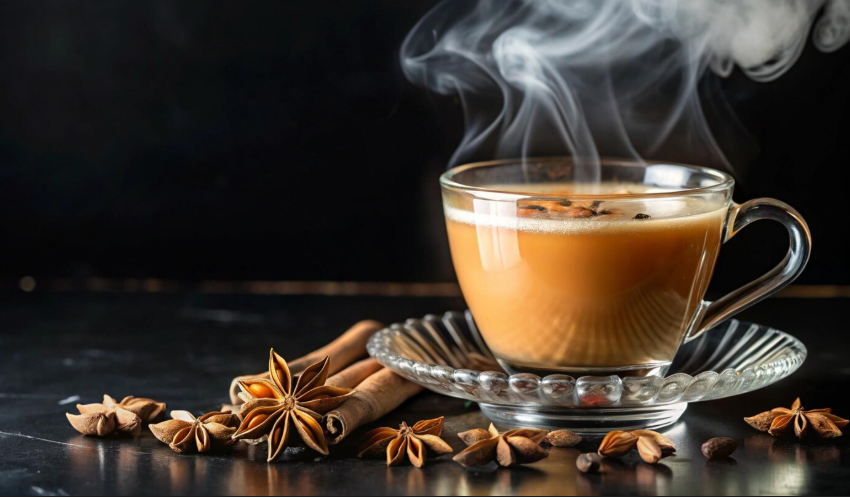
Does the water come from a dedicated hot water source at the right temperature or does it come from the espresso machine’s steam wand which is too hot and damages delicate teas. Does the staff know how long to steep the specific tea before removing the bag or leaves. Does the cup get warmed first so the tea doesn’t lose temperature immediately on contact with a cold vessel. Is there any sign that whoever is making the tea has thought about these variables or is the hot water just getting poured over a bag and handed over as quickly as possible.
At Barista Coffee and Brunch she said the process looked right from the beginning. The water temperature was appropriate for the type of tea she ordered. The steeping time was handled correctly. The cup was warm. The tea arrived tasting like what it was supposed to taste like rather than a compromised version of it.
A woman named Simone who works remotely from coffee shops around San Francisco most days and orders tea exclusively told me she used to carry her own tea bags to cafes because she’d given up on what coffee shops offered. She tried Barista Coffee and Brunch on a day she’d forgotten her own tea and ordered from the menu expecting disappointment and got something that made her stop carrying her own tea bags. She said that shift happened after one cup and she’s been ordering from the menu at Barista Coffee and Brunch without backup ever since.
Iced Tea Because San Francisco Actually Has Warm Days and Also Because Some People Just Like Cold Tea
The iced tea situation at coffee shops is even more neglected than the hot tea situation in most places. The standard approach is to brew tea strong, pour it over ice, and serve it. This works if the tea is actually good and the brewing is done right. It doesn’t work when the tea is mediocre and the brewing was an afterthought and the result is something that’s cold and vaguely flavored and not very interesting.
Good iced tea requires thinking about it differently from hot tea from the beginning. You need to brew stronger to account for ice dilution. You need to cool the tea correctly before it hits the ice so you don’t shock it in a way that makes it cloudy and changes the flavor profile. The tea you choose for iced service needs to actually taste good cold because some teas that are pleasant hot become flat or sharp when cold.
Barista Coffee and Brunch makes iced tea that was designed to be iced rather than just being hot tea that got cold. The strength is right. The flavor holds up against the ice. The result tastes like a drink made for the temperature it’s being served at rather than a drink that’s apologizing for not being hot.
On the warm days that San Francisco produces particularly in September and October when the second summer arrives in the neighborhoods east of Twin Peaks, iced tea at Barista Coffee and Brunch is one of the better non coffee options available in the city. Ren orders it on those days and said it’s the first iced tea she’s had at a San Francisco cafe that she’d actively choose over hot tea when the temperature made either option reasonable.
Tea and the Brunch Menu Because the Pairing Actually Makes Sense
One thing that doesn’t get talked about enough is how well good tea pairs with brunch food specifically. Coffee and brunch is the default pairing and it’s a good one but tea has its own logic with breakfast and brunch that’s worth paying attention to.
Black tea with milk alongside eggs and toast is a pairing with deep roots in British and Irish breakfast tradition that exists because it actually works. The tannins in black tea cut through the richness of eggs and butter in a way that’s genuinely complementary. The warmth and body of a good breakfast black tea does something for a substantial brunch plate that coffee does differently and sometimes less effectively.
Green tea alongside lighter brunch options, fruit, lighter egg dishes, things without heavy sauces, has a freshness that complements rather than competes with the food. The delicacy of good green tea doesn’t get lost next to simple clean flavors the way it might next to something heavily spiced or rich.
Ren has worked out her own tea and brunch pairings at Barista Coffee and Brunch over multiple visits and has opinions about them that she shares with the unsolicited confidence of someone who has done the research personally and considers it worth sharing. Her current position is that the black tea with a brunch plate involving eggs is the move and she’s been consistently right every time she’s recommended it to someone skeptical enough to try it and report back.
Tea for Non Tea People Because Sometimes You’re Just Not Feeling Coffee
This is a specific demographic that Barista Coffee and Brunch serves without necessarily advertising to them. The coffee person who occasionally doesn’t want coffee.
This happens. You’ve had three coffees already and it’s two in the afternoon and another one is going to be a problem. You’re fighting something and your stomach is telling you espresso is not the right choice today. You’re in the afternoon window where caffeine will wreck your sleep but you want something warm and you want something from an actual cafe rather than just hot water from the office kitchen.
Tea is the answer and having good tea as an option at Barista Coffee and Brunch means the coffee people who occasionally need an alternative actually have one worth choosing rather than just something to settle for.
My friend Jordan from the custom coffee drinks story came in one afternoon when he was on his fourth coffee of the day and his hands were doing that thing where they’re slightly more animated than usual and he knew he needed to stop. He ordered a chamomile herbal tea from Barista Coffee and Brunch because it was there and it was good and he sat with it for twenty minutes and said it was exactly what that particular afternoon required.
He said he’d never ordered tea at a coffee shop before that day and didn’t expect to enjoy it but the quality of what he got made it something he actually wanted to drink rather than just a caffeine free substitute for what he actually wanted. He’s ordered it twice since on afternoons with similar energy levels.
Just Order the Tea and Stop Settling for the Tea Bag in a Box
If you’re a tea person in San Francisco who has been navigating the coffee shop landscape with low expectations about what you’ll find in your cup, Barista Coffee and Brunch is the place to reset those expectations.
The tea here is made with the same attention as the coffee and that attention shows up in the cup in ways that Ren can describe in significantly more detail than I can because she has done the work of drinking tea at coffee shops across this city for years and she knows the difference between what she’d been getting and what she gets here.
She found her place. Not her coffee place. Her place. The distinction is the point and it’s what happens when a cafe decides that the people who don’t drink coffee are worth taking as seriously as the people who do.
Go order the tea. Say which kind you want. Watch what happens after the order goes in. You’ll see the difference before you even taste it and when you taste it you’ll understand what Ren texted me about that evening and why she hasn’t felt like a second class customer at a coffee shop since.