

How Is Matcha Made?
If you have ever stood in line at a cafe and stared at that bright green drink in someone else’s cup, you have probably wondered what matcha actually is and how it gets that color. It has become one of the most loved drinks among coffee lovers, tea fans, and anyone who enjoys trying new things. At barista coffee & brunch on Sacramento Street in San Francisco, we get asked about matcha almost every single day. So let’s talk about it. This guide will walk you through how matcha is made, what makes it different from regular tea, and why it has become such a big part of cafe culture in San Francisco and the whole Bay Area.
Matcha is not a new trend, even though it may feel that way if you just started noticing it on menus around the city. It has been made and enjoyed for hundreds of years, and the same basic steps used long ago are still followed today. Once you understand how much care goes into every cup, it is easy to see why so many people search for the best coffee shops in SF that also serve a well made matcha drink.
What Is Matcha?
Matcha is a fine powder made from green tea leaves. Unlike regular tea, where you steep the leaves in hot water and then remove them, it uses the whole leaf. The leaves are ground into a powder, and that powder gets whisked directly into water or milk. This means you are drinking the entire leaf, not just the water that passed through it. That is one reason it has a stronger flavor and a deeper color than most green teas you might find at a regular SF cafe.
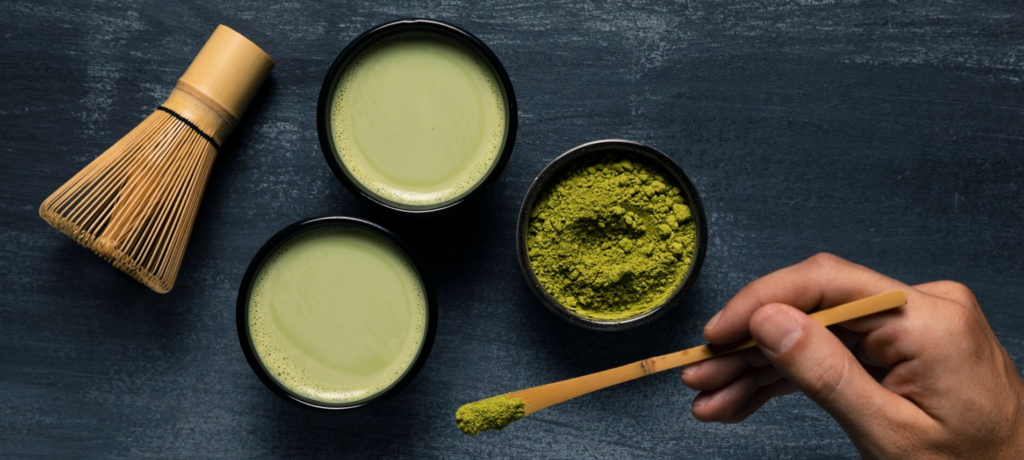
Matcha comes from the same plant as regular green tea, called Camellia sinensis. What makes it different is how the plant is grown, picked, and processed. The whole process takes weeks of careful work, and every step matters for the final taste and color.
How Matcha Is Made
Making matcha is a slow process, and that is part of why people who love coffee and tea respect it so much. Here is how it happens, step by step.
Growing in the shade
About three to four weeks before the leaves are picked, farmers cover the tea plants with shade cloths or straw mats. This blocks a lot of sunlight from reaching the leaves. When a plant does not get much sun, it makes more chlorophyll to try and catch whatever light it can. This is what gives matcha its bright green color. Shading also changes the flavor of the leaves. It lowers the bitterness and brings out a sweeter, more rounded taste. It also raises the amount of an amino acid called L-theanine, which gives matcha its calm, smooth feeling compared to coffee.
Picking the leaves by hand
When the leaves are ready, workers pick them by hand. Only the youngest, most tender leaves at the top of the plant are chosen. These young leaves have the best flavor and the smoothest texture once they are turned into powder. Hand picking takes more time than machine harvesting, but it leads to a much higher quality tea.
Steaming the leaves
Right after picking, the leaves are steamed for a short time. This step is important because it stops the leaves from oxidizing, which means it keeps them from turning brown or losing their bright green color. Steaming also locks in the fresh, grassy flavor that matcha is known for. This is different from how many black teas are made, since those are allowed to oxidize on purpose.
Drying and removing stems and veins
After steaming, the leaves are dried. Once dry, they are called tencha. Workers then remove the stems and veins from each leaf, keeping only the soft leaf part. This step matters a lot because stems and veins can make the final powder taste bitter or feel gritty. Removing them by hand or with careful machines gives the matcha a smoother texture.
Stone grinding into powder
The last step is grinding the dried tencha leaves into a fine powder using granite stone mills. This part is slow on purpose. The stones turn very slowly so the leaves do not heat up too much, since heat can damage the flavor and nutrients. It can take up to an hour just to grind enough matcha to fill one small tin. This slow grinding is why high quality matcha can cost more than regular tea. You are paying for time, care, and skill.
Once the powder is ready, it is sifted and sealed to keep it fresh. From there, it makes its way to cafes like ours, where a trained barista whisks it into a smooth, frothy drink.
Matcha Versus Regular Green Tea
A lot of people wonder if matcha and green tea are basically the same thing. They come from the same plant, but the way they are grown and used is different, and that changes a lot.
Here are some of the main differences:
- Shade grown before picking, while most green tea grows in full sun.
- Uses the whole leaf in powder form, while green tea leaves are steeped and then removed.
- Has a stronger, more intense flavor because you are drinking the full leaf.
- Usually has more caffeine per serving than a cup of steeped green tea, though still less than a strong cup of coffee.
- Matcha has a smooth, slightly sweet, grassy taste, while green tea can taste lighter and more bitter depending on how it is brewed.
- Both drinks have their place, and both fit well into a relaxed brunch spot or a quick coffee run. It really comes down to what kind of flavor and energy you are looking for that day.
Some people also ask about caffeine and how matcha compares to a regular cup of coffee. Coffee usually has the most caffeine, matcha sits in the middle, and steeped green tea has the least. Because matcha releases its caffeine slowly, many people say the energy feels steadier and lasts longer, without the fast drop that sometimes comes after a strong cup of coffee. This is one more reason matcha has earned a loyal following among Bay Area foodies who like to plan their day around a calm start.
Why Matcha Fits So Well With Brunch and Coffee Culture
San Francisco has a strong food and drink culture, and matcha has found a comfortable spot inside it. Bay Area foodies tend to enjoy trying new flavors, and it gives people a way to switch things up without leaving the comfort of a cozy cafe. It pairs nicely with sweet brunch items like pastries, and it also works well on its own as a slow sip while catching up with a friend.
For people who love coffee but want something a little different once in a while, matcha is a great option. It still gives a gentle boost of energy, but it feels calmer thanks to that L-theanine we mentioned earlier. This makes it a popular pick for people who want to stay alert without feeling jittery.
Matcha also fits into so many parts of a menu. You can find it as a latte, iced or hot, blended into shakes, or even used in baked goods. This kind of variety is part of why cafe culture in SF keeps growing and why more people are becoming curious about where their food and drinks actually come from.
Whether you are a longtime coffee lover just starting to explore tea, or someone who already enjoys matcha at home, sitting down at a cafe and letting a trained barista prepare it for you is a different kind of experience. The whisking, the foam, and the smell of fresh matcha all add something that is hard to copy at home. It is one of those small details that makes brunch feel a little more special, whether you are with family, with friends, or enjoying a quiet morning alone.
A few simple tips if you are trying matcha for the first time:
- Start with a matcha latte if you want something smooth and easy to enjoy, since the milk balances out the stronger tea flavor.
- Ask if the matcha is ceremonial grade or culinary grade, since ceremonial grade is smoother and often used for drinking on its own, while culinary grade works well in lattes and baking.
- If you want a lighter taste, ask for it iced with a bit less powder.
- Pair it with something warm like a croissant or muffin for a relaxed morning treat.
Whether you are meeting friends for brunch, grabbing a quiet coffee before work, or exploring what San Francisco food has to offer, matcha is a simple and enjoyable thing to try. It carries centuries of tradition in every scoop of powder, and every cup tells a small story about the leaves it came from.
At Barista Coffee & Brunch, we enjoy sharing little details like this with our guests because good food and drink are always better when you understand a bit more about them. From hearty breakfast classics to fresh, flavorful brunch creations, there is always something new to notice, taste, and enjoy. Next time you are near Sacramento Street, stop in, take a seat, and maybe give matcha a try if you have not already. You might just find a new favorite.