

The Best Way to Store Coffee Beans
You finally find a coffee you love. Maybe you picked it up after a great cup at one of your favorite SF brunch spots, or you grabbed a bag from a local roaster after reading a Bay Area foodie guide that pointed you in the right direction. You get home, brew your first pot, and it is everything you hoped for. A week later, the same bag, the same grinder, the same routine, and the coffee tastes noticeably flatter. The brightness is gone. The flavor feels thin. Nothing changed except the time.
This is one of the most common frustrations among coffee lovers, and the cause is almost always storage. Coffee is more sensitive to its environment than most people realize, and how you store your beans has a direct and measurable impact on how they taste. The good news is that getting storage right does not require expensive equipment or complicated routines. It just requires understanding a few basic principles and applying them consistently. This guide covers everything you need to know to keep your coffee tasting its best from the first cup to the last.
Why Coffee Goes Stale and What Actually Causes It
Before getting into the how, it helps to understand the why. A roasted coffee bean is full of oils, aromatic compounds, and carbon dioxide that were created during the roasting process. These are the elements responsible for the complex flavors and that wonderful aroma that fills the room when you grind fresh beans. They are also the first things to degrade when the bean is exposed to the wrong conditions.
Oxygen is the biggest culprit. When air reaches the oils and organic compounds inside the bean, a process called oxidation begins. This is the same process that turns a cut avocado brown or makes cooking oil go rancid over time. In coffee, oxidation strips away the bright, nuanced flavors and replaces them with something flat, dull, and sometimes faintly cardboard-like. It starts slowly right after the bag is opened and speeds up with each exposure to air.
Moisture is the second major threat. Coffee beans are dried during processing and roasting, and they are designed to stay that way. When humidity reaches the beans, it begins to break down their structure and introduce off-flavors that no brewing method can correct. Even small amounts of moisture exposure over time add up in ways you will notice in the cup.
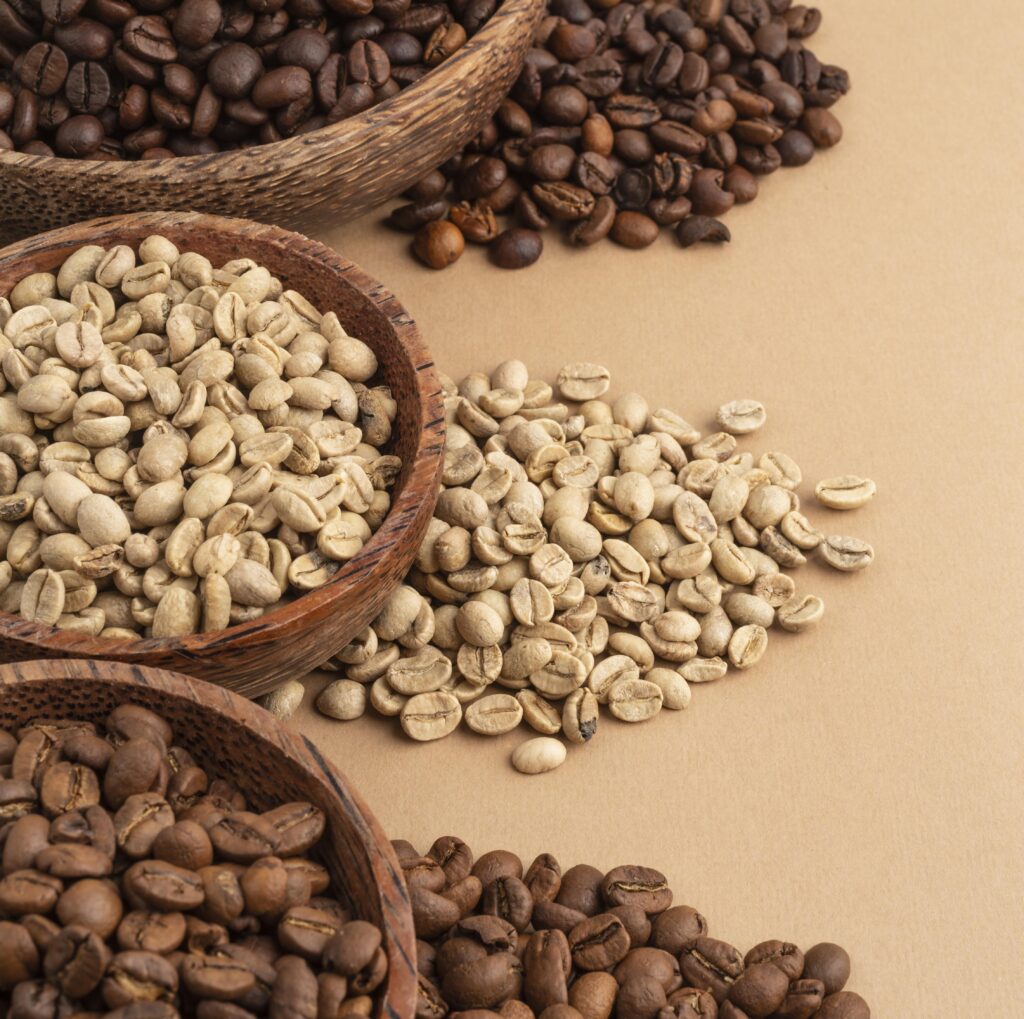
Heat accelerates all of this. A warm environment speeds up oxidation and causes the aromatic oils in the bean to break down faster than they would at a cooler temperature. Beans sitting on a sunny countertop or near a heat source like an oven or toaster lose their peak flavor much faster than beans stored somewhere cool and dark.
Light, especially direct sunlight, damages the surface oils of the bean over time and contributes to a rancid quality that shows up as an unpleasant aftertaste. This is why many quality coffee bags are made from opaque materials, and it is also why a clear glass jar on a bright kitchen windowsill is one of the worst places to store beans, despite looking very appealing in a café culture aesthetic.
The Best Storage Methods for Everyday Coffee
The good news is that fixing most of these problems is straightforward. An airtight container stored in a cool, dark spot at room temperature covers the majority of what you need to do to keep coffee fresh for everyday use.
The container matters. Look for something that seals properly rather than just sitting with a loose lid. Ceramic containers with rubber gaskets work well. Some dedicated coffee storage containers come with one-way valves that allow carbon dioxide, which freshly roasted beans continue to off-gas for several days, to escape without letting oxygen in. This is a useful feature if you are buying freshly roasted beans from a local roaster or directly from a café you trust.
Avoid clear glass jars on the counter, even though they look nice. They expose beans to light constantly and do nothing to block air unless they have a very tight seal. Avoid plastic containers with loosely fitting lids for the same reason, plus the added issue that plastic can transfer faint odors into your beans over time.
The refrigerator is a storage option that comes up often, and the short answer is that it is not ideal for coffee you are using regularly. The fridge introduces moisture every time you open it, and coffee beans absorb surrounding odors, which means your beans can start picking up the scent of whatever else is in there. If you have ever had coffee that tasted vaguely of last night’s leftovers, refrigerator storage was likely involved.
The freezer is a more sophisticated case. For long-term storage of beans you will not be using for a month or more, the freezer can actually work well if done correctly. The key is portioning. Divide the beans into single-use amounts before freezing, seal them in airtight bags or containers, and thaw each portion only once before use. Never refreeze beans that have been thawed, and let the container reach room temperature before opening it to prevent condensation from forming on the beans as cold air meets the warmer room.
Here are the core storage rules worth remembering:
- Use an airtight container with a proper seal, not just a loosely covered jar or the original bag folded over
- Store in a cool, dark location away from heat sources and direct light
- Keep beans at room temperature for everyday use, not in the fridge
- Buy smaller amounts more frequently rather than a large bag that sits for weeks
- Grind just before brewing since ground coffee loses freshness much faster than whole beans
- If freezing, portion first and only thaw each portion once
Buying Fresh and Knowing What to Look For
Storage can only do so much. If you start with beans that were roasted months ago, no container or technique will bring back what has already been lost. Freshness at the point of purchase matters just as much as what you do with the beans once you get them home.
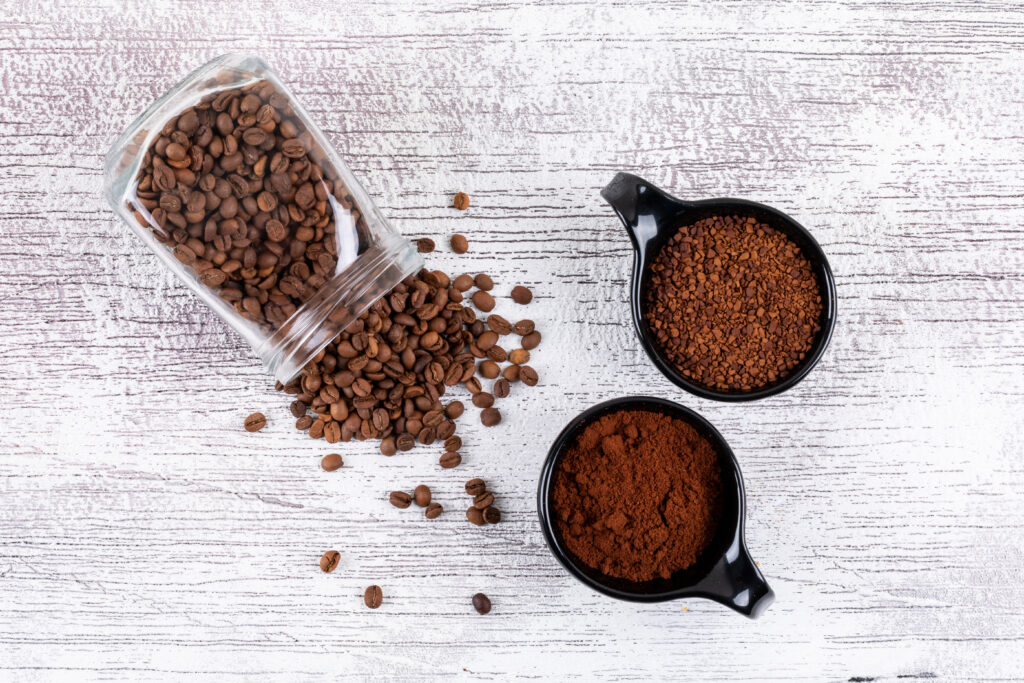
The most useful piece of information on any coffee bag is the roast date. Not a best-by date, which is calculated backward from an arbitrary shelf life and tells you less than you might think, but an actual roast date. Look for it on the bag and aim to buy beans that were roasted within the past one to four weeks. Beans in that window are in their peak flavor range, assuming the roast was done well and the beans have had a day or two to off-gas after roasting.
Coffee that has been sitting in a grocery store for months without a roast date printed on the bag is usually not the best starting point, no matter how good the storage setup at home is. Sourcing from a local roaster, a specialty café, or a shop that moves through its stock quickly gives you a much better chance of starting with beans at their best.
This is one of the things that makes cafés like Barista Coffee & Brunch on Sacramento Street in San Francisco worth visiting beyond just the experience of being there. When a café takes its coffee seriously and sources with quality in mind, it also tends to attract customers who care about what is in their cup, and that reputation builds on itself. The kind of attention to ingredients that goes into a hearty, well-executed brunch plate reflects the same values that go into sourcing and handling good coffee, and you can usually tell the difference just by how a café smells when you walk in.
For anyone building a better coffee routine at home, the combination of fresh sourcing and proper storage is where real improvement starts. You do not need to spend more money on equipment. You need to buy good beans, buy them fresh, and keep them in conditions that protect what makes them taste good in the first place.
San Francisco has a genuinely strong café culture, and Bay Area food lovers tend to be curious about the details behind what they enjoy. Whether you are stopping into one of the best coffee shops in SF for your morning cup, following a San Francisco foodie guide for weekend brunch ideas, or simply trying to make your home coffee taste closer to what a skilled barista would produce, understanding storage is one of the most practical steps you can take. The knowledge costs nothing, the changes are simple, and the improvement in your daily cup is real and immediate.
Barista Coffee & Brunch brings together great food and good coffee in a space on Sacramento Street that reflects what San Francisco brunch culture does best: quality ingredients, genuine care, and a welcoming atmosphere that makes you want to stay a little longer. Whether you are visiting for the first time or making it a regular stop, the experience is a good reminder of why these small details, in sourcing, in brewing, and yes, in storage, all matter so much in the end.