

Health Benefits of Seasonal Berries
The first basket of ripe strawberries each spring has a way of changing the mood of a kitchen. The smell reaches you before you even lift the lid, sweet and a little floral, and the color is so deep that it looks almost unreal. Berries are some of the most beautiful foods on the table, and they happen to be some of the most useful for your health too. They are small, they are sweet, and they come with a surprising amount of nutrition packed inside every bite.
People in the Bay Area have always had a close relationship with the seasons. Farmers markets across San Francisco fill up with fresh fruit all year, and berries are some of the first things to disappear from the stalls. Part of the reason is flavor. Part of it is the growing interest in eating foods that are good for you without giving up pleasure.
What Makes Berries So Good for You
The color of a berry is a clue to what is inside it. Deep reds, purples, and blues come from natural plant compounds called anthocyanins. These belong to a larger family called polyphenols, which act as antioxidants in the body. Antioxidants help protect cells from damage caused by unstable molecules known as free radicals. Our bodies make some of these molecules naturally, and daily life adds more through stress, pollution, and sunlight. Eating foods rich in antioxidants is one simple way to support the body’s own defenses.
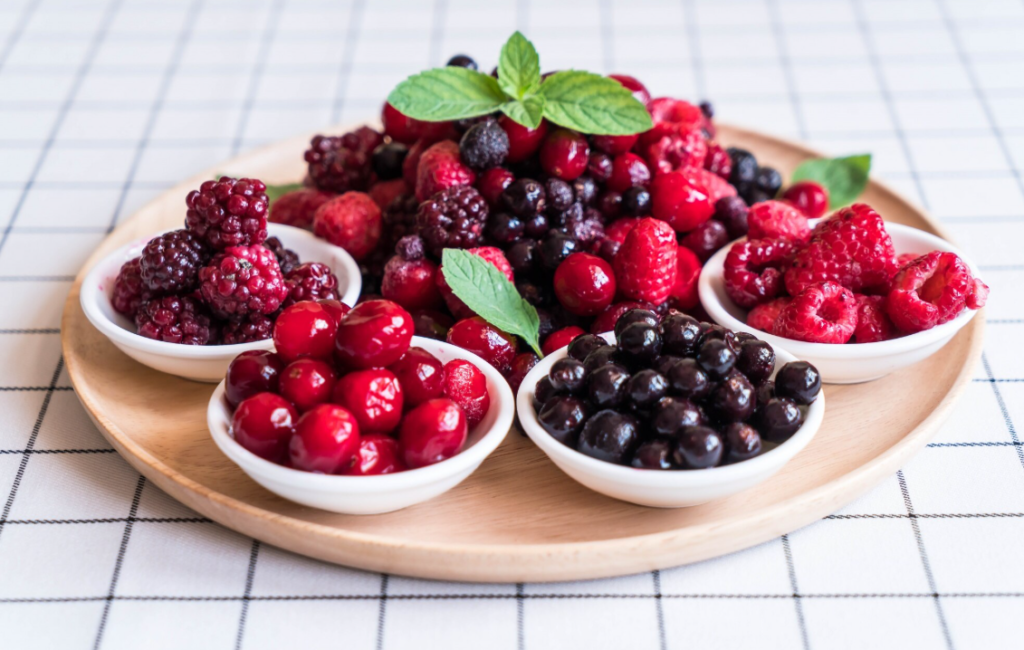
Berries also bring plenty of fiber. A single cup of raspberries contains around eight grams, which is more than many people expect from a fruit. Fiber supports healthy digestion, helps you feel full for longer, and feeds the helpful bacteria that live in your gut. Because berries are naturally lower in sugar than many other fruits, they also tend to raise blood sugar more gently. That makes them a smart choice for anyone who wants steady energy through the morning rather than a quick burst followed by a slump.
Vitamin C is another strong point. Strawberries are one of the best fruit sources of this nutrient, with a serving often matching or beating an orange. Vitamin C supports the immune system and helps the body make collagen, a protein that keeps skin, joints, and blood vessels strong. It also offer vitamin K, manganese, and folate, small nutrients that quietly support bones, metabolism, and cell growth.
The best part is that all of this comes with very few calories and no effort. You do not need to cook it or prepare them in any special way. A quick rinse is enough, which makes them an easy addition to any meal of the day.
A Season-by-Season Look at Berries
Spring brings strawberries to California in full force. They are bright, juicy, and best eaten close to the day they were picked. Beyond vitamin C, strawberries contain compounds that researchers have linked to heart health. Studies suggest that people who eat berries regularly may see small improvements in blood pressure and cholesterol levels over time. No single food works miracles, but strawberries fit nicely into a heart-friendly way of eating.
As the weather warms, blueberry take center stage. These little blue gems are probably the most studied berry in the world. Research has connected the anthocyanins in blueberry with better memory and clearer thinking, especially as people get older. Some studies have followed adults who ate blueberry daily for several weeks and noticed gentle improvements in tasks that involve focus and recall. The results are encouraging, though scientists continue to explore exactly how much is helpful. For students, busy professionals, and anyone who wants to look after their brain, a handful of blueberries with breakfast is an easy habit to build.
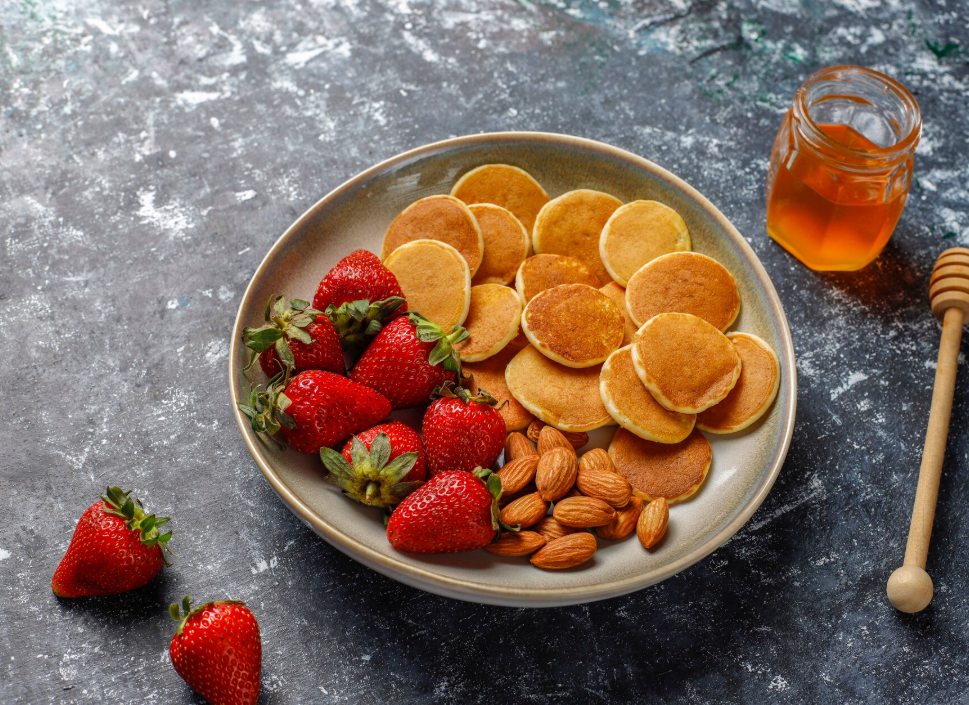
Summer also brings raspberries and blackberries, which are especially high in fiber and a plant compound called ellagic acid. Raspberries are delicate and tart, with a sweetness that builds slowly. Blackberries are darker and deeper, with a rich flavor that works well in both sweet and savory dishes. Both are excellent sources of vitamin C and manganese. California is also known for local favorites like olallieberries and boysenberries, which are cousins of the blackberry and show up in pies, jams, and brunch pastries around the Bay Area.
Autumn belongs to cranberry, which are too tart to eat plain for most people but offer plenty of benefits. Cranberries contain special compounds called proanthocyanidins, which may help stop certain bacteria from sticking to the walls of the urinary tract. That is why cranberry has a long reputation for supporting urinary health. Dried cranberries, cooked sauces, and fresh cranberries baked into muffins or scones give you ways to enjoy them without the sharp bite. Check labels on dried versions, since many carry added sugar.
Eating by the season has a quiet benefit of its own. Berries picked at their natural peak are usually riper, more flavorful, and richer in nutrients than those shipped long distances before they are ready. When fruit tastes this good, you are far more likely to eat it often, and regular eating is where the real health value comes from.
Simple Ways to Choose, Store, and Enjoy Berries
A few small habits make berries last longer and taste better. When shopping, look for plumpy, evenly colored, and free of mushy spots. Check the bottom of the container as well, since a single damaged berry can spread mold to the rest. Strawberries should smell sweet and look red all the way to the stem. Blueberry should have a dusty, silvery coating called bloom, which is a natural sign of freshness.
Once you are home, resist the urge to wash everything right away. Berries absorb moisture quickly, and wet ones spoil fast. Store them unwashed in the refrigerator in a breathable container, ideally lined with a paper towel to soak up extra moisture. Rinse them gently just before you eat them. If you want to stretch their life even further, a quick bath in a mixture of one part white vinegar and three parts cool water can slow mold growth. Rinse again with plain water afterward and dry them well.
Freezing is a great way to keep the season going. Spread washed and dried berries on a tray, freeze them until firm, and then move them to a sealed bag. Frozen berries hold onto most of their nutrients and are perfect for smoothies, oatmeal, and baking. Many nutrition experts consider frozen berries just as healthy as fresh ones, and they cost less when fresh ones are out of season.

Breakfast is the easiest place to start. Stir a handful into plain yogurt, fold them into oatmeal, scatter them over whole grain toast with ricotta, or blend them into a smoothie with a banana and a splash of milk. Berries also work beautifully on pancakes and waffles, where their natural juice replaces some of the need for syrup. If you enjoy savory flavors, try blackberries or raspberries alongside a soft cheese plate, or toss a few strawberries into a green salad with a light vinaigrette. A little sweetness can make simple greens feel special.
Coffee and berries get along better than most people expect. A bright, fruity light roast often has berry-like notes of its own, so a cup of coffee beside a bowl of blueberries and yogurt can taste surprisingly harmonious. Any coffee lover who enjoys exploring flavor will find that pairing a drink with the right fruit makes both taste better. Cafe regulars and curious foodies in the Bay Area often notice this when they sit down with a pour-over and a berry pastry on a quiet weekend morning.
Finding Great Berries on the Menu in San Francisco
If you are building your own San Francisco foodie guide or Bay Area brunch guide, berries are a good clue to how a kitchen thinks. Places that change their fruit with the seasons usually care about freshness in everything else too. A seasonal berry compote spooned over thick yogurt, a fresh fruit plate that changes through the year, or a warm scone studded with local blackberries tells you that someone in the kitchen is paying attention. Many of the best cafes in the Bay Area and the top breakfast places in San Francisco build their menus around exactly this kind of ingredient.
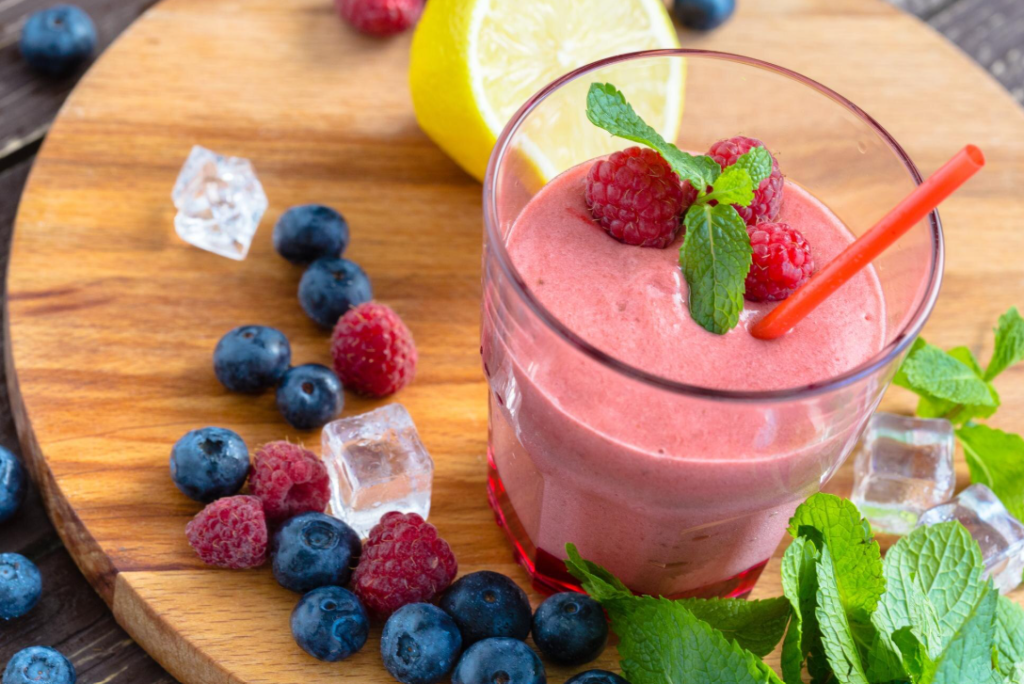
Sacramento Street is home to one such spot. Barista Coffee & Brunch is a San Francisco cafe that serves hearty breakfast classics alongside fresh, flavorful brunch creations, and the menu fits naturally with the spirit of eating well and eating seasonally. Fresh fruit on a breakfast plate, a bright topping on a stack of pancakes, or a colorful side next to eggs all make the meal feel lighter and more complete. Add a carefully made cup of coffee from a barista who knows what they are doing, and a simple morning turns into something worth planning your weekend around. It is a welcoming choice for friends meeting up, families sharing a table, or a quiet solo breakfast before the day begins.
When you are deciding where to eat in SF, a good habit is to ask what is in season. Servers and baristas are usually happy to tell you which fruit just arrived and what is tasting best that week. This small question often leads to a better meal and a better story. It also connects you to the farms and growers who supply San Francisco food and give the Bay Area its strong reputation for fresh, thoughtful eating.
Berries are proof that healthy food does not have to feel like a chore. They are sweet without being heavy, colorful without being fussy, and good for you in ways scientists are still discovering. Enjoy them fresh in the spring and summer, bake with them in the fall, freeze them for the months in between, and look for them whenever you sit down at a brunch table. A small bowl each day is a gentle habit that rewards you again and again, one bright bite at a time.