

Why Coffee Tastes Different to Everyone
Have you ever shared a cup of coffee with a friend and had a completely different reaction to it? Maybe you thought it tasted smooth and sweet, while they thought it tasted bitter or too strong. This happens more than people realize, and there are real reasons behind it. At barista coffee & brunch on Sacramento Street in San Francisco, our baristas hear this kind of thing all the time, since coffee brings together so many small details that shape how each person experiences a cup.
It can feel strange to think that two people can drink from the same pot of coffee and describe two totally different flavors. Yet this happens every single day at cafes across San Francisco. Once you understand a few of the reasons behind it, the whole idea makes a lot more sense, and it can even make your own coffee routine more enjoyable.
How Your Body Shapes What You Taste
Taste starts on your tongue, but it does not end there. Each person has a different number of taste buds, and that number can change how strong or mild a flavor feels. Someone with more taste buds might notice bitterness in coffee much more than someone with fewer. This is one reason a cup that tastes perfectly balanced to one person can taste too strong to another sitting right next to them.
Genetics also play a role. Some people are simply more sensitive to bitter flavors because of how their taste receptors are built. This is not something anyone can control, and it is not a matter of having a better or worse palate. It is just a natural difference, the same way some people can hear certain sounds better than others.
Smell is another big part of taste that people often forget about. A large part of what we call flavor actually comes from smell, not just the tongue. Coffee has hundreds of aroma compounds, and how your nose picks up those smells changes how the coffee tastes in your mouth. This is part of why it can smell amazing before you even take a sip, and why a stuffy nose can make your favorite drink taste flat.
Age can shift taste as well. Taste buds naturally become less sensitive over time, which means a cup of coffee might taste stronger to a younger person than to someone older, even if it is made exactly the same way. None of these differences are good or bad. They are simply part of what makes each person’s experience personal.
What Changes the Flavor Itself
Beyond how your body reacts, the coffee itself goes through a lot of steps that shape its final taste. Understanding a few of these can help explain why one cup can taste so different from another, even at the same cafe.
Where the beans are grown matters a lot. Coffee grown at higher elevations often has a brighter, more complex flavor, while grown at lower elevations tends to taste heavier and more simple. Soil, rainfall, and even the shade around the plants can shift the flavor in small but noticeable ways.

How the beans are roasted changes things even more. A light roast keeps more of the bean’s natural flavor, often with brighter or fruity notes. A dark roast brings out deeper, smokier flavors, but it also covers up some of the more delicate notes from the bean itself. This is why the same bean can taste completely different depending on how long it sits in the roaster.
Brewing method plays a big part too. A few common ones include the following.
- Drip tends to taste balanced and smooth, since water passes through the grounds at a steady, even rate.
- French press coffee tends to taste heavier and richer, since the grounds sit directly in the water for a few minutes.
- Espresso is strong and concentrated, made by pushing hot water through finely packed grounds at high pressure.
- Pour over coffee often tastes cleaner and brighter, since the slow, controlled pour lets more delicate flavors come through.
Even small things like water temperature, grind size, and how long the coffee brews can shift the final taste. This is part of what makes barista skills so valuable. A trained barista knows how to adjust these small details to bring out the best in each type of bean.
Why Milk, Sugar, and Add Ins Change Everything
A lot of people do not drink coffee completely black, and that changes the flavor picture even more. Milk adds creaminess and can soften bitterness, while different types of milk create very different results. Oat milk tends to add a light sweetness, almond milk has a slightly nutty flavor, and regular dairy milk gives a rounder, creamier texture. Sugar and flavored syrups can shift the taste even further, sometimes covering up the natural notes of the coffee entirely.
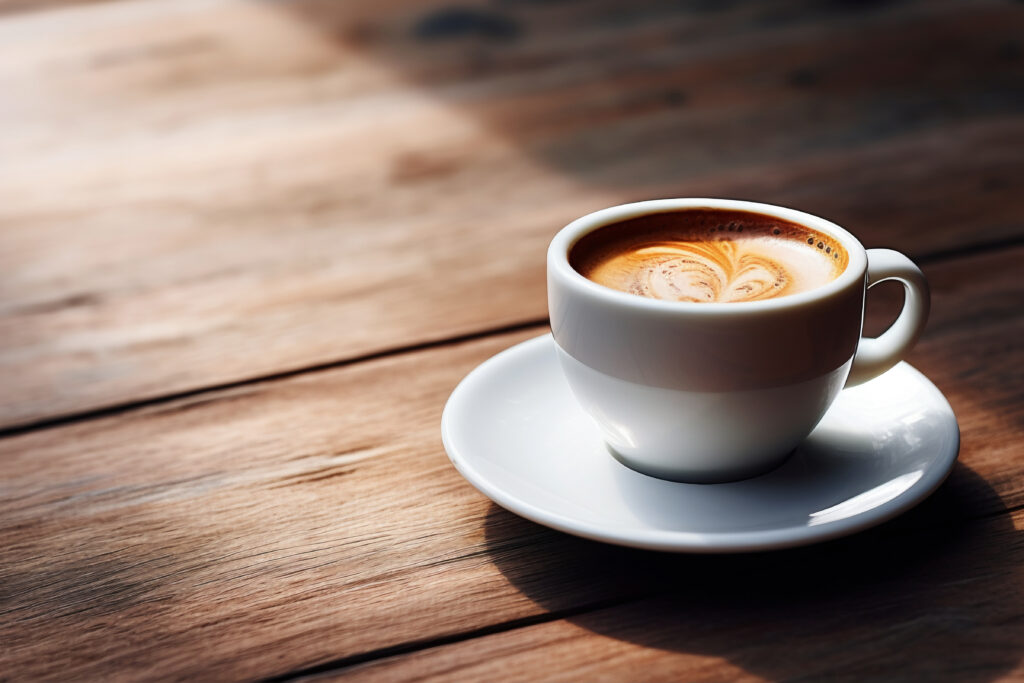
This is one reason two people can order the exact same drink and still taste something a little different, especially if their taste buds react to sweetness or bitterness in their own way. It also explains why a coffee lover might order the same drink at ten different SF cafes and notice a slightly different taste each time, even if the recipe looks the same on paper.
Temperature plays a role here as well. A hot drink releases more aroma, which can make flavors feel bigger and bolder, while an iced coffee can taste smoother and a bit more subtle since the cold slows down how quickly those aromas reach your nose. This is one small reason an iced latte and a hot latte, even from the same beans, can feel like two different drinks entirely.
How to Find Coffee That Fits Your Own Taste
Since so many things affect flavor, finding a coffee you truly enjoy usually takes a little bit of trying different things. Here are a few simple tips that can help:
- Try a few different roast levels to see whether you lean toward bright and light or deep and dark.
- Ask your barista about where the beans come from, since single origin coffee can highlight very specific flavors tied to that region.
- Experiment with brewing methods if you make coffee at home, since a small change like switching from drip to pour over can make a noticeable difference.
- Pay attention to how milk or sweeteners change your drink, and try your coffee black at least once to notice the coffee’s natural flavor.
- Do not be afraid to ask questions at a cafe, since a good barista is usually happy to explain what makes a certain coffee taste the way it does.
- Coffee tasting is not about finding the correct answer. It is about learning what flavors you personally enjoy, which can take some exploring and a bit of trial and error.
Coffee and Community in San Francisco
Coffee has become a big part of everyday life across San Francisco and the wider Bay Area. Cafe culture here is not just about grabbing a quick drink. It is about slowing down, chatting with friends, working quietly in a cozy corner, or simply enjoying a peaceful morning before the day gets busy. This is part of why so many people search for the best coffee shops in SF or the best cafes in the Bay Area, since coffee often becomes tied to a favorite spot rather than just a favorite drink.
Understanding why coffee tastes different from person to person also brings people closer together in an odd way. It gives friends something fun to talk about over brunch, whether they are comparing notes on a new roast or arguing kindly over who takes their coffee too sweet. This is part of what makes cafe culture in San Francisco feel so lively and connected.
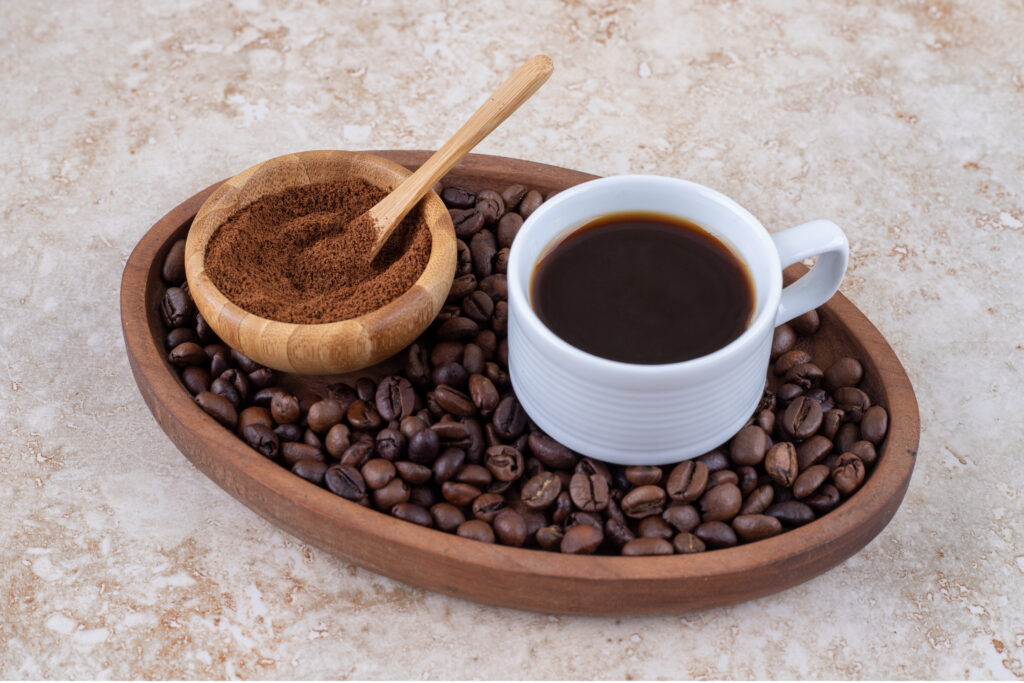
This same idea shows up in how people search for coffee online too. Someone might look up San Francisco foodie guide tips hoping to find a spot that matches their exact taste, while another person searches for where to eat in SF hoping to stumble onto something completely new. Both approaches make sense, since coffee taste is personal, and part of the fun is discovering what works for you.
At Barista coffee & brunch, we love seeing regulars come in and slowly figure out their own favorite way to enjoy a cup, whether that means a bold dark roast, a smooth oat milk latte, or a simple black coffee with breakfast. From hearty breakfast classics to fresh, flavorful brunch creations, every visit is a chance to try something new or return to an old favorite. The next time you are near Sacramento Street, take a moment to notice what you taste in your cup and why. You might learn something new about your own taste, one sip at a time.