

The Benefits of a Gluten-Free Diet
Gluten-free eating has shifted from a relatively obscure dietary requirement into one of the most visible food movements in cities like San Francisco. Walk through any neighborhood in the Bay Area and you will find cafes, brunch spots, and restaurants that list gluten-free options clearly on their menus, often with real care rather than as an afterthought.
The SF food scene has always been responsive to how people want to eat, and gluten-free dining has become a meaningful part of that conversation. Some people eat this way out of medical necessity. Others have made the choice based on how they feel. Understanding who benefits most, what gluten actually is, and what the evidence says about a gluten-free diet gives anyone thinking about this approach a clearer and more useful picture than a simple yes-or-no answer could provide.
This is a topic that generates a lot of questions, particularly around whether avoiding gluten is beneficial for people who do not have a diagnosed condition requiring it. The answer depends a great deal on the individual, and this guide covers the full picture, from the science of gluten and how it affects the body, to the practical realities of eating gluten-free at brunch spots and cafes in San Francisco. Whether you are managing a specific health condition, exploring how dietary changes affect how you feel, or simply trying to understand what the people around you at your favorite SF cafe are ordering and why, this guide gives you a thorough and honest look at everything worth knowing.
What Gluten Is and How It Affects the Body
Gluten is a group of proteins found naturally in wheat, barley, and rye. These proteins give dough its stretchy, elastic quality, which is why bread rises and holds together the way it does, and why pasta has its characteristic chew. Gluten itself is not inherently harmful for the majority of people. It is simply a naturally occurring protein in certain grains that the digestive system of most adults processes without any difficulty.
Where gluten becomes a genuine medical issue is in the context of celiac disease, an autoimmune condition in which the ingestion of gluten triggers an immune response that damages the lining of the small intestine. This damage impairs the intestine’s ability to absorb nutrients, leading to a wide range of symptoms including digestive discomfort, fatigue, anemia, bone density loss, and in some cases neurological symptoms.
For people with celiac disease, a strictly gluten-free diet is not a lifestyle choice. It is a medical requirement, and even small amounts of gluten from cross-contamination can cause harm. Celiac disease affects roughly one percent of the global population, though many cases go undiagnosed for years because the symptoms can be varied and are sometimes attributed to other causes.

Non-celiac gluten sensitivity is a separate condition in which people experience symptoms similar to those seen in celiac disease, including bloating, abdominal discomfort, fatigue, and brain fog, after consuming gluten, but without the autoimmune intestinal damage that characterizes celiac disease. The mechanisms behind non-celiac gluten sensitivity are still being studied, and there is active debate in the research community about the extent to which the symptoms are caused by gluten specifically versus other components in wheat, such as fermentable carbohydrates called FODMAPs. What is clear from clinical observation is that many people who identify as gluten-sensitive experience genuine improvement in their symptoms when they remove gluten from their diet, regardless of the precise mechanism involved.
Wheat allergy is a third distinct condition involving an immune reaction to wheat proteins, which can include but is not limited to gluten. Wheat allergy is more common in children than adults and typically involves more immediate immune reactions than either celiac disease or gluten sensitivity.
The Benefits of Going Gluten-Free for Those Who Need It
For people with celiac disease, the benefits of a strict gluten-free diet are well-documented and significant. Removing gluten from the diet allows the damaged intestinal lining to heal over time, restoring normal nutrient absorption and resolving the range of symptoms that come with ongoing intestinal damage. People with celiac disease who adhere carefully to a gluten-free diet typically experience substantial improvements in energy levels, digestive comfort, mood, and overall wellbeing as the gut heals. The timeline for healing varies from person to person, with some people noticing improvement within weeks and others taking months to see the full benefit, but the direction of change is consistently positive for those who stick with the dietary change.
For people with non-celiac gluten sensitivity, removing gluten similarly tends to produce meaningful relief from digestive symptoms, fatigue, and the cognitive cloudiness that many people describe as brain fog. Because the damage in this condition is not as severe as in celiac disease, the improvement can sometimes be noticed more quickly. People in this group also sometimes find that they can tolerate small amounts of gluten on occasion without a major reaction, whereas people with celiac disease need to maintain strict avoidance throughout their lives.
Beyond these conditions, there is a broader group of people who report feeling better on a gluten-free diet even without a formal diagnosis. Some of this benefit may come from the fact that reducing gluten often means reducing highly processed foods, refined carbohydrates, and foods with high-calorie, low-nutrient profiles, since gluten appears in many packaged and processed products. A person who shifts to a gluten-free diet and simultaneously starts eating more whole foods, fresh produce, lean proteins, and naturally gluten-free grains like rice, quinoa, and oats will almost certainly feel better, though it can be difficult to attribute that improvement to gluten reduction specifically versus the broader improvement in diet quality.
Energy and digestive comfort are the two benefits most commonly reported by people who adopt a gluten-free approach regardless of their specific condition. Many people describe a reduction in bloating and a lighter feeling after meals, along with more stable energy throughout the day. Whether this reflects a sensitivity to gluten, a reaction to other wheat components, or simply the consequence of eating more whole, minimally processed foods is worth exploring with a healthcare professional if the question is important for a specific health situation.
Eating Gluten-Free in San Francisco: What to Know
San Francisco is genuinely one of the better cities in the country for eating gluten-free. The city’s food culture has always been responsive to dietary diversity, and the Bay Area food scene has invested meaningfully in creating options that do not feel like compromises. This matters because one of the consistent challenges with a gluten-free diet is that the available options at many restaurants are limited, often afterthought modifications of existing dishes rather than things that were designed with care to be genuinely delicious on their own terms.
At the best brunch spots in San Francisco, gluten-free options tend to be thoughtfully integrated into the menu rather than simply flagged as modifications. Dishes built around eggs, fresh vegetables, avocado, and naturally gluten-free grains are common, and many cafes and brunch spots in the city use quality ingredients that do not rely on gluten-containing fillers or additives. This reflects a broader shift in Bay Area foodie culture toward ingredient transparency and quality that benefits everyone at the table, not just those with dietary restrictions.
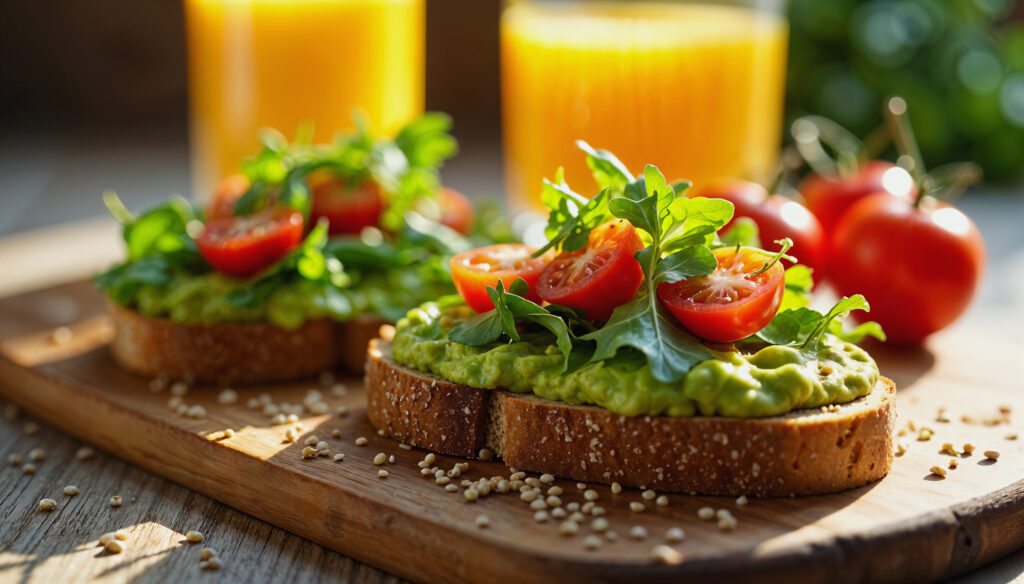
A few practical tips make gluten-free dining at cafes and brunch spots easier and more enjoyable. Communicating your needs clearly when you arrive or when you order is always the best starting point. Asking specifically about cross-contamination, whether gluten-free dishes are prepared on surfaces or with equipment that also handles gluten-containing foods, is particularly important for people with celiac disease. Most well-run cafes in San Francisco take these questions seriously and can give you an honest answer about their kitchen practices.
Choosing naturally gluten-free dishes rather than gluten-free versions of traditionally gluten-containing foods tends to produce better results. A plate of scrambled eggs with fresh vegetables and avocado is inherently gluten-free and is designed to taste exactly as good as it does regardless of dietary considerations. A gluten-free pancake or gluten-free toast, by contrast, is a substitution product that may or may not match the original in quality depending on how much care went into the recipe and ingredients.
Barista Coffee & Brunch on Sacramento Street brings the same attention to fresh, quality ingredients to its full menu, including hearty breakfast classics and fresh, flavorful brunch creations that reflect what Sacramento Street in San Francisco does best: good food made with real care in a welcoming space. For anyone navigating a gluten-free approach to eating in the city, the combination of a thoughtful menu and a genuinely comfortable cafe environment makes it a natural choice for a morning meal or a weekend brunch with friends or family.
A gluten-free diet done well is not about restriction. It is about choosing foods that work for your body and finding places that make those choices feel easy and enjoyable. In a city as food-forward as San Francisco, with a cafe culture as strong as the one the Bay Area has built, that is more achievable than it has ever been.