

Common Causes of Sour Coffee
You take your first sip of the morning and something is off. The coffee is sharp and puckering in a way that has nothing to do with brightness or complexity. It is just sour, the kind of sour that makes you set the cup down and wonder what went wrong. This happens to a lot of people, both at home and occasionally even at a cafe, and the frustrating part is that it is almost never obvious what caused it.
Was it the beans? The water temperature? The grinder? The brew ratio? Sour coffee is one of the most common problems in the coffee world, and it has a handful of specific, well-understood causes that are entirely fixable once you know what you are looking for.
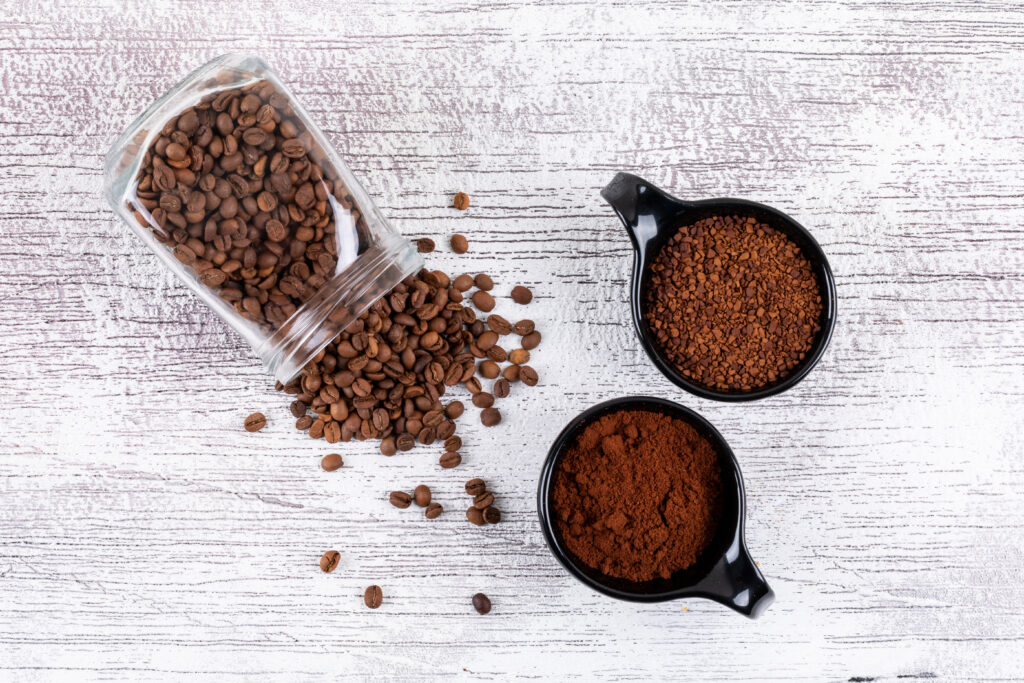
Understanding why coffee turns sour is genuinely useful knowledge for any coffee lover. It helps you troubleshoot at home, ask smarter questions when you visit a cafe, and develop a better sense of what quality coffee should actually taste like. In a city like San Francisco, where the cafe culture is strong and Bay Area eats are taken seriously from morning through afternoon, this kind of awareness connects you more deeply to what you are drinking and helps you recognize when something is made well versus when something has gone wrong. This guide covers every common cause of sour coffee with enough detail to actually be useful, rather than just giving you a surface-level list and moving on.
Under-Extraction Is the Most Common Reason
When coffee tastes sour, the most likely explanation is under-extraction. Extraction is the process of dissolving flavor compounds from ground coffee into water. Not all of those compounds dissolve at the same rate. The acidic compounds, the ones that can create brightness and liveliness in a well-made cup, dissolve first and fastest. The sweeter compounds, the ones that create balance and body, take longer. The bitter compounds, which create depth and weight, dissolve last of all.
When the extraction process is cut short, whether by water that is too cool, a grind that is too coarse, or a brew time that is too short, the acidic compounds have time to dissolve but the sweeter ones do not follow. What you are left with is a cup that is heavy with acidity and short on everything else that would balance it out. That imbalance is what tastes sour.
The coffee is not bad in some fundamental way. It simply did not have long enough to fully develop. Think of it like biting into a piece of fruit that needed a few more days to ripen. The basic structure is there, but it has not reached the point where all the flavors are working together.
Water temperature plays a direct role in this. The ideal brewing temperature for most coffee methods sits between 195 and 205 degrees Fahrenheit. Water below this range does not have enough energy to extract the full range of flavor compounds efficiently. If you are brewing with water that has cooled too much, or using a machine that does not heat water properly, you are almost certainly under-extracting, and sourness is the predictable result. This is one of the reasons why serious cafes and the best coffee shops in SF invest in equipment that maintains temperature precisely throughout the brew cycle rather than letting it fluctuate based on the machine’s heating capacity.
Grind size is equally responsible. Coarser grinds have less surface area exposed to the water, which slows extraction. When the grind is too coarse for the brewing method being used, the water passes through without having enough contact with the coffee to pull the full spectrum of flavors.
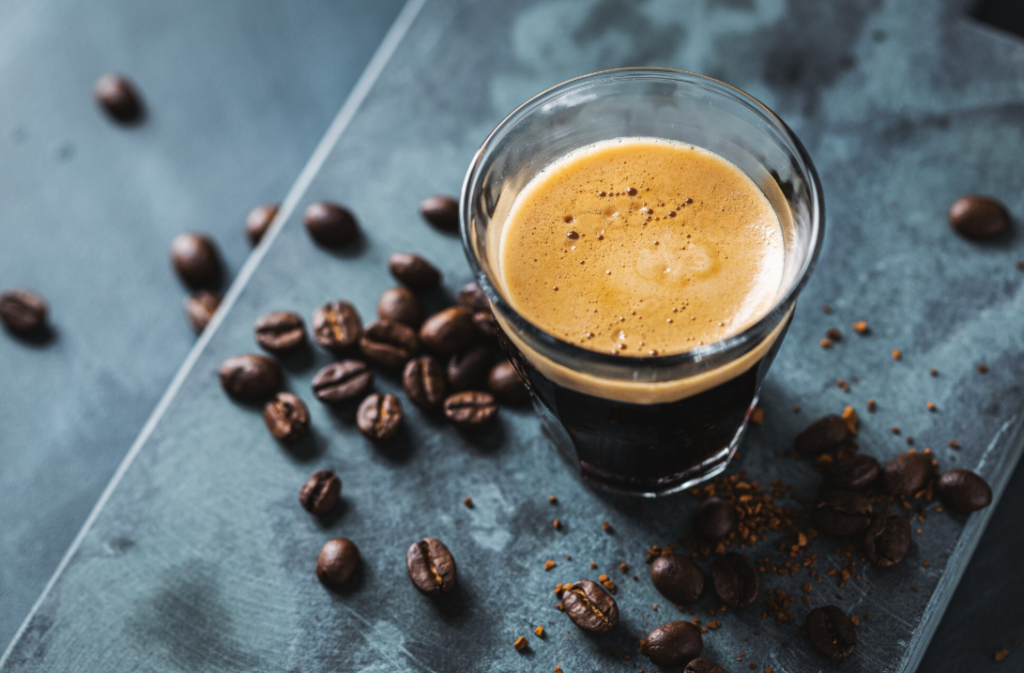
Espresso requires a very fine grind specifically because the water is only in contact with the grounds for 25 to 30 seconds. If the grind is even slightly too coarse for espresso, the shot comes out under-extracted and sour in a sharp, acidic way that is instantly recognizable once you know what it is. Pour-over and drip methods use coarser grinds, but even within those methods there is a range, and going too coarse produces the same under-extraction problem.
Brew time is the third piece. Each method has an appropriate extraction window, and brewing for less time than needed means the process is stopped before the sweeter and more complex compounds have had a chance to dissolve. This can happen when someone rushes a pour-over by pouring too quickly, when a drip machine’s brewing cycle is too short, or when an espresso shot is cut before it reaches the right volume and time. Experienced baristas adjust all three of these variables together, because grind, temperature, and time interact with each other, and getting the best result means understanding how changing one affects the others.
Bean Quality, Roast Level, and Freshness
Even with perfect technique, the beans themselves can be a source of sourness if they are the wrong roast level for the drink being made or if they are simply not very good beans to begin with. Light roast coffee contains more of the naturally occurring acids that were present in the original coffee cherry. These acids are responsible for the bright, fruity, floral qualities that make light roast coffee interesting and enjoyable when the extraction is done correctly. But when light roast coffee is under-extracted, those acids are amplified without the sweetness that proper extraction would bring to balance them.
The result is a very sour cup that can put people off light roast coffee entirely, even though the problem was in the brewing rather than the beans.
Some lower-quality coffees are high in certain acids regardless of roast level because of how the beans were processed or because they came from plants or growing conditions that produce a naturally higher acid content. Not all acidity in coffee is pleasant, and some low-quality lots carry a sharpness that is harder to correct even with good technique. This is one of the reasons that the best cafes in the Bay Area and serious SF coffee spots invest in sourcing.
Starting with a well-grown, properly processed bean gives the barista the best possible raw material to work with. A barista with excellent skills can make good beans taste great, but even the most skilled technique cannot fully rescue a poorly grown or improperly processed bean.
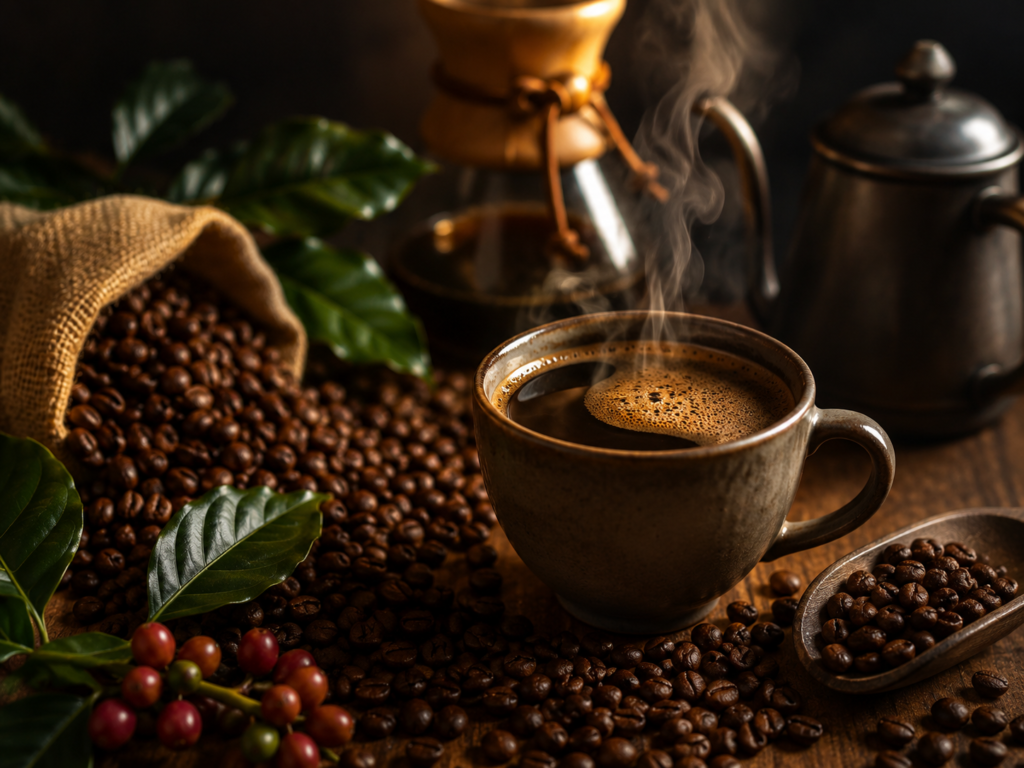
Bean freshness is another factor that does not always get discussed in the context of sourness, but it matters. Very fresh beans, roasted just one or two days ago, often have a large amount of carbon dioxide still trapped inside the cellular structure of the bean from the roasting process. This CO2 interferes with water absorption during brewing in a way that can lead to uneven extraction and a slightly sour or underdeveloped cup.
Most roasters recommend waiting between two and ten days after the roast date before brewing, depending on the bean and the method. Letting the beans degas properly allows for a more even extraction and a more balanced flavor. On the other end of the spectrum, beans that have gone stale through oxidation can also produce an unpleasant sourness, though it is usually accompanied by flatness and a dull quality rather than the sharp brightness of under-extraction.
Water Quality and Equipment Cleanliness
Two factors that often go overlooked when diagnosing sour coffee are the water being used and the cleanliness of the brewing equipment. Water quality affects coffee flavor more than most people expect. Water that is very soft, meaning it has very low mineral content, does not extract coffee compounds efficiently because the minerals in water play an active role in pulling flavor compounds from the grounds. Low-mineral water can lead to under-extraction, which brings you back to the same sour result described earlier. Water that is very hard, with very high mineral content, can also cause problems, though usually in the direction of a flat or chalky taste rather than sourness.
The ideal water for coffee brewing falls in the middle range, with a moderate level of minerals including magnesium, which actively helps with extraction, and calcium, which contributes to body and mouthfeel. Using filtered water that removes chlorine and impurities without stripping all minerals tends to produce better results than either unfiltered tap water in areas with heavily treated municipal supplies or pure distilled water with no minerals at all.
Equipment cleanliness matters because coffee oils are left behind on every surface they contact during brewing. These oils go rancid over time when they are not cleaned away, and rancid oils contribute an unpleasant bitterness and sourness to subsequent cups. A grinder with stale grounds and oily residue built up in the burrs will contaminate fresh coffee every time it is used. A portafilter basket or pour-over dripper with residue from previous brews adds off-flavors to each new extraction. Regular, thorough cleaning of all coffee equipment is not just good hygiene. It is a direct quality factor that shows up in the cup.
For coffee lovers who want to dial in their home brewing, fixing sourness usually starts with adjusting grind finer, checking water temperature, extending brew time, or cleaning equipment. Working through these variables one at a time rather than changing everything at once is the most effective approach because it helps you identify which specific factor was the problem. Cafes that take quality seriously, including the team at Barista Coffee & Brunch on Sacramento Street in San Francisco, calibrate these variables every single day, which is a big part of why a well-run cafe consistently produces better coffee than most home setups.
The same care that goes into pulling a balanced espresso or brewing a clean pour-over at a good SF cafe is the same care that goes into sourcing quality ingredients for hearty breakfast classics and fresh, flavorful brunch creations. Both reflect an attention to detail that makes the whole experience more enjoyable. Understanding the causes of sour coffee makes you a better coffee drinker, a more informed cafe guest, and someone who can genuinely appreciate what goes into a cup that hits the right notes from the very first sip.