

Difference Between Ceremonial and Culinary Matcha
Matcha has moved well past trend status. It is now a permanent part of the drink menu at cafés across San Francisco, and Bay Area foodies who care about what they are putting in their bodies have started asking sharper questions about it. Not just “can I get a matcha latte” but “what kind of matcha are you using?” That is a good question, and the answer matters more than most people expect.
There are two main grades of matcha that show up in cafés and kitchens, ceremonial and culinary, and they are different enough that using the wrong one in the wrong way significantly changes the result. Understanding the difference helps you make better choices whether you are ordering at a café, buying a bag to use at home, or simply trying to figure out why one matcha latte tasted so much better than another.
San Francisco food culture has always rewarded that kind of curiosity. The city’s café scene has grown into one of the most thoughtful in the country, and a growing number of the best cafes in the Bay Area treat matcha with the same seriousness they bring to coffee sourcing and brewing. This guide walks through everything you need to know about ceremonial versus culinary matcha so the difference is clear, practical, and genuinely useful the next time you order or shop.
What Makes Ceremonial Matcha Different
Ceremonial matcha is the highest grade of matcha available. It is made from the youngest, most tender leaves of the tea plant, specifically the first flush leaves harvested in early spring. Before harvest, the tea plants are shaded from direct sunlight for several weeks, usually between three and five, by covering them with fabric or bamboo screens. This shading process does two important things. It boosts chlorophyll production, which gives ceremonial matcha its vivid, deep green color, and it increases the concentration of L-theanine, an amino acid that contributes to the calm, focused feeling matcha drinkers often describe.
After harvest, the leaves are steamed quickly to stop oxidation, dried, and then de-stemmed and de-veined before being stone-ground into a very fine powder. The stone grinding process for high-quality ceremonial matcha is slow, sometimes taking over an hour to produce just 30 grams of powder. This care preserves the delicate flavor compounds and results in a powder that is silky smooth, deeply green, and sweet-smelling.
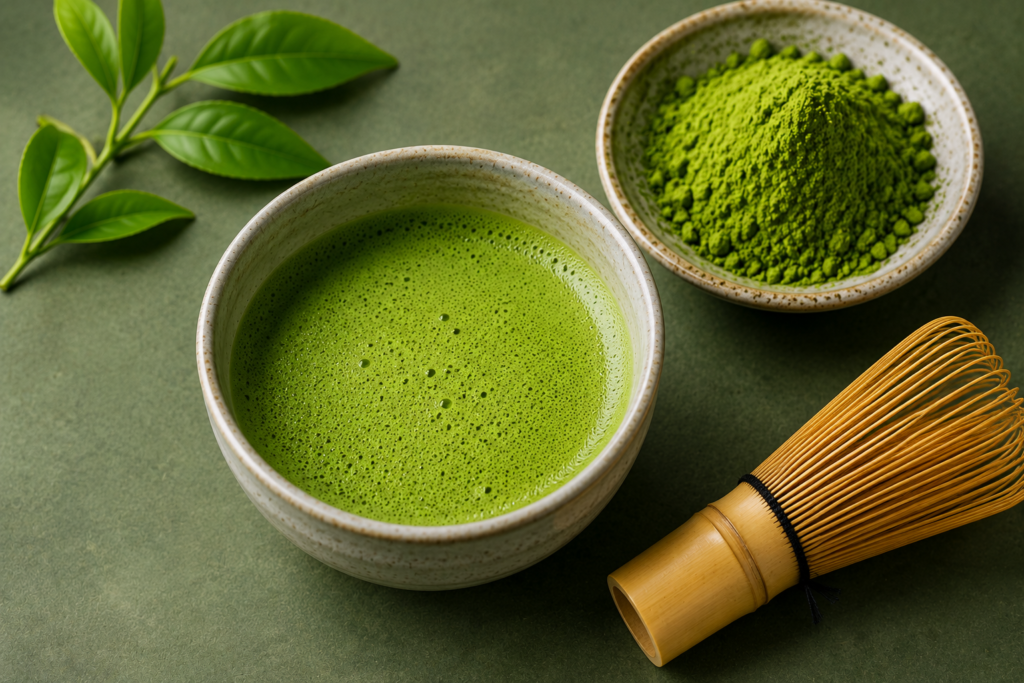
The flavor of ceremonial grade matcha is complex and naturally sweet. It has a rich umami quality, meaning a savory depth that comes from those amino acids developed during the shading period. There is very little bitterness in a good ceremonial matcha when prepared correctly. The finish is clean and lingering. This is the grade meant to be prepared traditionally with just hot water, whisked with a bamboo whisk into a frothy, smooth tea. When ceremonial matcha is used in a café drink, it stands out because the natural sweetness and depth come through even when mixed with milk. A matcha latte made with ceremonial grade tastes like something intentional and layered, not just green and slightly bitter.
What Culinary Matcha Is and When It Works Best
Culinary matcha, sometimes called cooking grade matcha, comes from older leaves harvested later in the season, often after the first flush has been taken. These leaves have been exposed to more sunlight during growth, which reduces the chlorophyll and L-theanine content compared to the shaded leaves used in ceremonial production. The color of culinary matcha tends to be more yellow-green or olive rather than the vivid, grassy green of ceremonial grade. The flavor is more assertive and bitter, with less of the natural sweetness that makes ceremonial matcha pleasant to drink on its own.
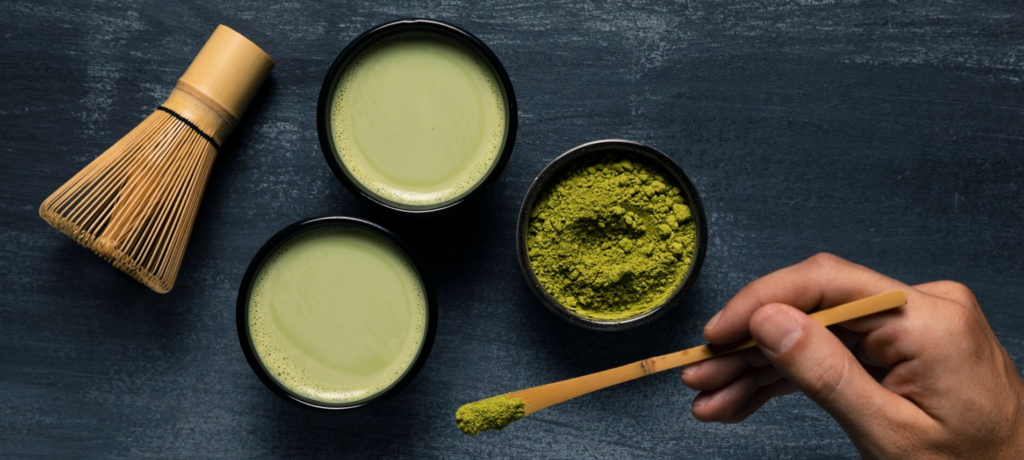
Culinary matcha is also less finely ground than ceremonial grade, which is part of why it can feel slightly grainy or coarser when dissolved in liquid. This is not a flaw in the context of baking or blending. It is simply a characteristic of how the product is made and what it is intended for. In applications where the matcha is combined with other strong flavors like sugar, butter, cream cheese, or chocolate, the bitterness of culinary grade matcha actually works in its favor. It provides color, a clear matcha identity, and enough flavor punch to come through the other ingredients without being masked completely.
Culinary matcha is the right choice for:
- Baked goods like matcha cookies, cakes, muffins, and scones where the batter carries strong flavors
- Matcha smoothies or blended drinks where other ingredients are present in significant amounts
- Savory applications like matcha noodles or seasoning blends
- Recipes where the matcha is mixed thoroughly into a batter or dough and baked at high heat
Ceremonial matcha is the right choice for:
- Traditional preparation with just hot water and a bamboo whisk
- Matcha lattes where the matcha is the primary flavor and quality is the point
- Any drink where the natural sweetness and depth of the matcha should be clearly tasted
- Cold matcha preparations where the delicate flavor compounds are not masked by cooking
Why This Matters in a Café Context
The grade of matcha a café uses in its drinks tells you a lot about how seriously it takes the menu. Using culinary grade matcha in a latte is a cost-saving decision that produces a noticeably more bitter and less complex drink. It is not a terrible drink, but it is a different experience than what a well-sourced ceremonial grade can produce. For coffee lovers who have started exploring matcha as an alternative to espresso, the grade difference is comparable to the difference between carefully sourced specialty coffee and a generic commercial blend. Both are recognizable as coffee. One is clearly better.
The best cafes in the Bay Area and the most attentive SF brunch spots tend to use ceremonial grade for their matcha drinks and are often willing to tell you where their matcha is sourced if you ask. This transparency is a good sign. It reflects the same pride in sourcing that the best coffee shops in SF bring to their bean selection. Barista skills around matcha preparation also matter. Properly whisking matcha into a small amount of hot water before adding milk, rather than just stirring the powder into the full drink, produces a smoother, better-integrated result that makes a real difference in texture and taste.
At Barista Coffee & Brunch on Sacramento Street, the approach to the menu reflects a commitment to quality ingredients that runs through both the food and the drinks. The café brings together hearty breakfast classics and fresh, flavorful brunch creations, and that same attention to what goes into each dish carries over to how drinks are made. Whether you are ordering a matcha latte or a classic espresso drink, the sourcing and preparation behind it are part of what makes the experience worth repeating.
Practical Tips for Anyone Buying Matcha
If you buy matcha to use at home, knowing the difference between grades saves you from frustration and wasted money. Buying ceremonial grade to bake with is an expensive choice that does not produce better baked goods than culinary grade would. Buying culinary grade to drink straight in hot water produces a bitter, flat result that puts a lot of people off matcha entirely when they might have loved it with a better starting point.
A few things to look for when buying matcha:
- Color: ceremonial grade should be a vivid, deep green. Dull, yellow-green color indicates lower grade or older stock
- Smell: good ceremonial matcha smells grassy, sweet, and slightly vegetal. A flat or hay-like smell suggests the powder is old or low quality
- Origin: Japanese matcha from regions like Uji, Nishio, or Kagoshima tends to be well-regarded for quality
- Price: ceremonial grade matcha is genuinely more expensive to produce. Very cheap matcha claiming to be ceremonial grade usually is not
- Packaging: look for airtight packaging and a production or best-by date, since matcha loses its color and flavor when exposed to air and light over time
San Francisco is a wonderful city for anyone who loves food and drinks that are made with real care. From the best brunch in San Francisco to the most thoughtfully sourced café drinks in the Bay Area, the standard here is high because the people eating and drinking here expect it to be. Matcha is a part of that conversation now, and understanding the difference between ceremonial and culinary grade puts you in a much better position to appreciate the good stuff when you find it, and to know exactly what to ask for when you want the best version of what a café has to offer.