

Coffee Types Explained: What’s the Difference?
If you have ever stood at the counter of an SF cafe and felt unsure about what to order, you are not alone. Coffee menus can feel overwhelming when you are looking at words like cortado, flat white, macchiato, and Americano all in the same line. Each one sounds different, but it is not always clear what actually separates them or which one you will enjoy most.
The good news is that once you understand the building blocks, every coffee drink on the menu starts to make sense. San Francisco has one of the strongest cafe cultures in the country, and Bay Area food lovers take their coffee seriously. Knowing your drinks makes every visit to a brunch spot or breakfast cafe more enjoyable, and it helps you order with confidence every single time.
This guide breaks down the most common coffee types clearly and simply. Whether you are a daily coffee lover who wants to understand more about what you are drinking, or someone just starting to explore SF brunch culture and looking for a place to start, this covers everything you need to know.
It All Starts With Espresso
Almost every coffee drink on a cafe menu begins with espresso. Understanding what espresso is makes everything else easier to follow. Espresso is made by forcing hot water through very finely ground coffee under high pressure, usually around nine bars of pressure, in a short amount of time, typically 25 to 30 seconds. The result is a small, concentrated shot of coffee with a rich flavor, a thick texture, and a layer of reddish-brown foam on top called crema. A single shot is about one ounce. A double shot, called a doppio, is two ounces and is the standard base for most espresso drinks at a good SF cafe.
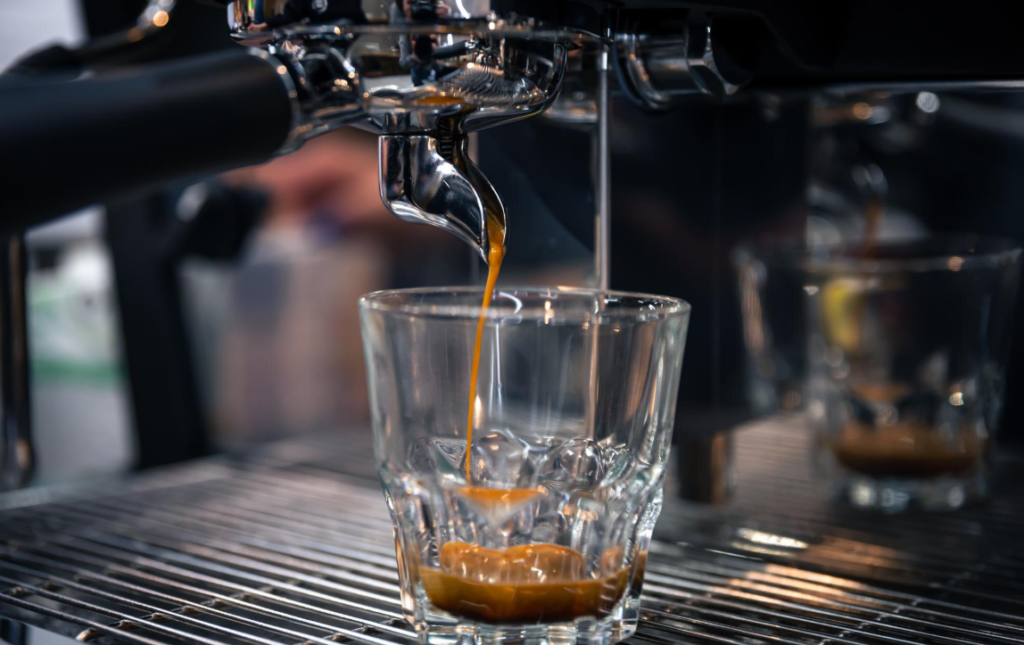
Espresso is bold and complex. When pulled correctly by a skilled barista, it should taste rich and slightly sweet with a round, full flavor and minimal bitterness. The crema on top is a sign of good extraction and fresh beans. If a shot tastes harsh or overly bitter, it is usually a sign of over-extraction, the wrong grind size, or beans that are past their best. Barista skills matter enormously at this stage because everything that comes after depends on the quality of that base shot.
Once you understand espresso, the rest of the menu falls into place naturally because most drinks are simply espresso combined with water, milk, or both in different ratios and preparations.
The Most Common Espresso-Based Drinks Explained
An Americano is one of the simplest espresso drinks. It is made by adding hot water to a shot or double shot of espresso, which dilutes the concentration without changing the total caffeine content. The result is a longer, lighter drink that resembles drip coffee in volume but has the flavor character of espresso. It is a good choice for people who like a large, sippable cup of coffee without milk. At many SF brunch spots and breakfast cafes, the Americano is one of the most ordered drinks because it is easy to drink slowly alongside a meal.
A latte is espresso with a larger amount of steamed milk and a thin layer of foam on top. The ratio is roughly one part espresso to three or four parts milk, which makes it the smoothest and mildest of the espresso-milk drinks. The milk softens the intensity of the espresso and adds natural sweetness, making lattes popular with people who are newer to coffee or who prefer a gentler flavor. Flavored lattes like vanilla, caramel, and hazelnut are made by adding a syrup to the base latte. At Barista Coffee & Brunch on Sacramento Street, lattes come with your choice of whole milk, non-fat, low-fat, almond milk, oat milk, or coconut milk, which gives you real flexibility.
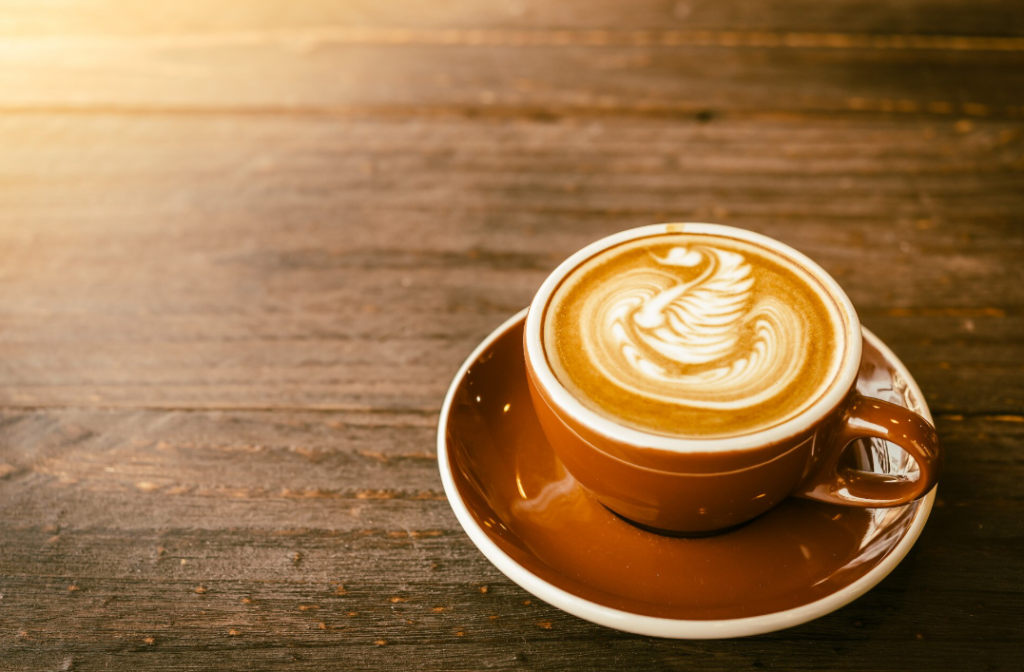
A cappuccino uses the same espresso base as a latte but with less steamed milk and a thicker layer of foam. The traditional ratio is equal parts espresso, steamed milk, and foam. This gives the cappuccino a stronger coffee flavor than a latte and a lighter, airier texture from the foam. It is a classic drink with a long history in cafe culture and one that rewards a skilled barista who can create dense, velvety foam consistently.
A flat white is similar to a latte but uses less milk, which makes the espresso flavor more pronounced. It originated in Australia and New Zealand and has become a staple at specialty cafes across the Bay Area. The milk in a flat white is steamed to a silkier, denser microfoam rather than the lighter, airier foam in a cappuccino. The result is a drink that feels smooth and rich but lets the espresso come through more clearly than a standard latte. If you want something in between a latte and a straight espresso in terms of coffee intensity, a flat white is the right order.
A cortado is equal parts espresso and steamed milk, usually served in a small glass. The name comes from the Spanish word meaning to cut, because the milk cuts the acidity of the espresso without diluting it very much. It is a small, strong drink with a clean, balanced flavor. Coffee lovers who want the intensity of espresso with just enough milk to smooth the edges tend to gravitate toward cortados. They are popular at the best coffee shops in SF and have a loyal following in Bay Area foodie circles.
A macchiato in its traditional form is an espresso shot with just a small amount of foamed milk on top. The word macchiato means stained or marked in Italian, referring to the espresso being marked with milk. It is stronger than a cortado and much stronger than a latte. The small amount of milk softens the sharpest edges of the espresso without changing its fundamental character. There is also a latte macchiato, which reverses the ratio and adds espresso to steamed milk rather than milk to espresso, creating a layered visual effect and a milder flavor.
A mocha combines espresso with chocolate and steamed milk, producing a drink that tastes like a cross between a latte and a hot chocolate. It is richer and sweeter than most other espresso drinks and appeals to people who enjoy both coffee and chocolate. At a good SF brunch spot, a well-made mocha uses quality chocolate rather than a syrup, which gives the drink more depth and a less sugary flavor.
Non-Espresso Coffee Drinks Worth Knowing
Not every great coffee drink is espresso-based, and understanding the non-espresso options rounds out your knowledge of the full coffee menu.
Drip coffee, also called house drip or filter coffee, is made by pouring hot water over ground coffee in a filter and letting it drip through into a pot or carafe. It produces a clean, clear cup that tends to have a lighter body than espresso but often more total caffeine per serving due to the larger volume. House drip is the most straightforward coffee you can order and is a reliable choice at any SF cafe that takes its coffee seriously.
Cold brew is made by steeping coarsely ground coffee in cold water for 12 to 24 hours. The slow, cold extraction process draws out sweetness and body while leaving behind many of the acidic and bitter compounds that hot brewing produces. The result is a smooth, slightly sweet, concentrated coffee that is served over ice. Cold brew has become hugely popular in SF brunch culture because it is easy to drink, low in acidity, and works well in warm weather. It also has a high caffeine content due to the extended steeping time and higher coffee-to-water ratio.
Cafe au lait is drip coffee mixed with steamed milk, usually in equal parts. It is a French-style drink that has a gentler flavor than espresso-based drinks and works well for people who want a milky coffee without the intensity of espresso. It is a comfortable, easygoing drink that fits naturally alongside a slow weekend brunch.
Here is a quick reference for choosing your order based on what you enjoy:
- Bold and black: Doppio espresso, Americano, or house drip
- Strong but smooth with a little milk: Cortado or flat white
- Balanced and classic: Cappuccino
- Mild and creamy: Latte or cafe au lait
- Sweet and indulgent: Mocha or flavored latte
- Cold and smooth: Cold brew over ice
- Warm and gentle: Chai latte or matcha latte for a non-coffee option
How Coffee Types Fit Into the SF Brunch Experience
Understanding what you are ordering makes the whole cafe experience more satisfying. When you sit down at a good brunch spot in San Francisco and you know the difference between a flat white and a cortado, you can order what you actually want rather than guessing. That confidence adds to the enjoyment of the whole morning.
At Barista Coffee & Brunch on Sacramento Street, the full range of coffee types is available alongside a menu of hearty breakfast classics and fresh, flavorful brunch creations. Whether you are starting the morning with a doppio espresso and avocado toast, or settling in for a slow Saturday with a latte and a full brunch plate, the coffee program here covers every style and preference. The barista skills behind the counter are evident in every drink, from the crema on an espresso shot to the microfoam on a flat white.
San Francisco has always been a great city for coffee lovers and foodies who care about quality. Bay Area cafe culture rewards places that take their drinks seriously, and having the knowledge to appreciate what goes into each cup makes every visit better. The next time you are looking for where to eat in SF or planning your Bay Area brunch guide, let your coffee order be as intentional as your food order. A great cup and a great plate together are what morning meals in this city are all about.