

Why Do Coffee Flavors Fade After Grinding?
Think about the last time you opened a fresh bag of whole bean coffee and took a smell. That aroma is alive in a way that is hard to describe but easy to recognize. It has layers. Something warm and sweet underneath, maybe a hint of fruit or chocolate on top, and a deep roasted base that ties it all together. Now think about what happens when you grind those same beans and let the grounds sit in a bowl for thirty minutes before brewing.
The smell changes. It is still recognizable as coffee, but something has already left the room. The brightness is softer. The complexity is thinner. The cup you make from those grounds will taste noticeably different from one made with freshly ground beans, even if everything else about the process is identical.
This is not imagination. It is chemistry, and it happens faster than most people realize. For anyone who genuinely loves coffee, whether you brew at home every morning or spend your weekends exploring the best coffee shops in SF, understanding why ground coffee fades so quickly is one of the most practical pieces of knowledge you can have. It explains why your home coffee sometimes disappoints, why café coffee tastes better, and what small changes can make a genuinely big difference in your daily cup.
The Science of What Happens When You Grind
A whole coffee bean is surprisingly well-protected. The outer surface acts as a barrier that slows down the rate at which the volatile aromatic compounds inside the bean are exposed to air. Those aromatic compounds, the ones responsible for the complex, layered smell and taste of good coffee, are locked inside the bean’s cellular structure along with carbon dioxide and oils that developed during roasting. As long as the bean stays whole, that structure protects the compounds from rapid degradation.
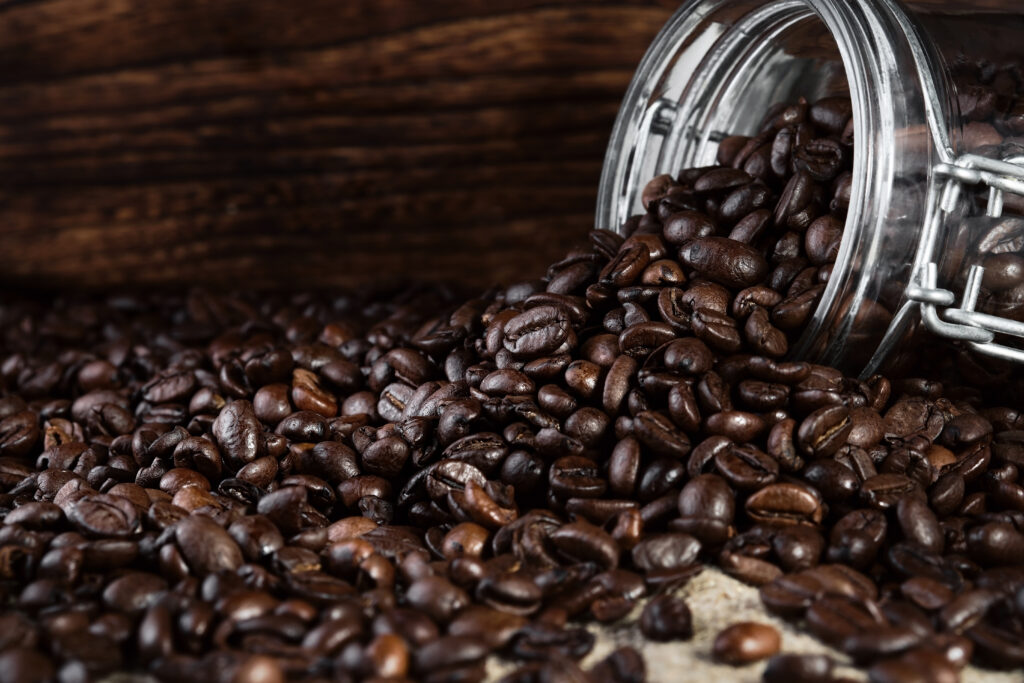
The moment you grind the bean, everything changes. Grinding breaks the cellular structure apart and creates hundreds or thousands of tiny particles with a dramatically larger combined surface area than the original whole bean. A single coffee bean has a limited surface exposed to air. A gram of ground coffee from that same bean has a surface area many times larger, and every bit of that new surface is now in direct contact with oxygen, moisture, and the surrounding environment.
Oxidation begins immediately. Oxygen reacts with the aromatic compounds and oils in the ground coffee and starts breaking them down. The volatile top notes, the bright, fruity, floral qualities that make specialty coffee so interesting, are the first to go because they are the most reactive. These compounds are present in small amounts and are highly sensitive to air exposure. Within minutes of grinding, a measurable portion of them has already dissipated. Within thirty minutes, the difference is clear to anyone paying attention. Within a few hours, the grounds have lost a substantial portion of what made them worth using in the first place.
Carbon dioxide also plays a role. Freshly roasted beans hold CO2 inside their cellular structure as a byproduct of the roasting process. This CO2 actually helps preserve the bean’s freshness for a period after roasting by occupying space and slowing the rate at which oxygen can interact with the internal compounds. When you grind, that CO2 is released rapidly from the broken cells. This release takes a protective layer away from the grounds almost instantly, leaving them more vulnerable to the oxidation and moisture that follow.
Moisture absorption speeds things up further. Ground coffee is highly absorbent. The increased surface area that makes it lose aromatics faster also makes it pull in moisture from the surrounding air more readily than whole beans do. This moisture interacts with the grounds and accelerates the degradation of flavor compounds while also creating conditions where off-flavors can develop over time.
What This Means for How You Brew at Home
Once you understand what is happening at a physical and chemical level, the practical advice becomes obvious: grind your coffee as close to brewing time as possible. This single habit, more than almost any other change you can make at home, protects the flavors you paid for when you bought good beans.
The difference between grinding and immediately brewing versus grinding thirty minutes ahead is something most people can taste in a side-by-side comparison. The immediately brewed cup is brighter, more aromatic, and more complex. The one made from grounds that sat out is flatter and less interesting, even when every other variable is the same. The beans, the water temperature, the brew ratio, the method, all identical. Only the timing of the grind is different, and it shows.

A burr grinder produces more consistent particle size than a blade grinder, which matters for extraction quality, but even a basic burr grinder used right before brewing will outperform a better grinder used hours in advance. The timing matters more than the equipment in this specific comparison, which is a useful thing to know if you are working with a modest home setup.
Pre-ground coffee, the kind sold in bags at most grocery stores, is already past its best by the time it reaches your kitchen. It was ground at the facility, packaged, shipped, stored on a shelf, and then taken home. By the time hot water hits it, a significant portion of the volatile aromatics have already been lost. This is not an argument against pre-ground coffee for people who do not have a grinder. It is simply an explanation for why the results are what they are and why grinding fresh makes such a noticeable difference.
Here are the key habits that protect ground coffee from fading too fast:
- Grind immediately before brewing rather than in advance, even by just a few minutes
- Store whole beans in an airtight container away from light, heat, and moisture
- Buy beans in amounts you will use within two to four weeks of the roast date
- Avoid leaving ground coffee sitting in an open hopper or grinder chamber
- If you must pre-grind, store the grounds in an airtight container and use them within a day or two at most
- Choose a grinder that lets you grind directly into the portafilter or brewer to minimize exposure time
Why Café Coffee Often Tastes Better and What Great Cafes Do Right
A lot of people notice that coffee at a good café tastes better than what they make at home, even when they are using quality beans and similar equipment. The reasons are multiple, but grinding practice is a significant one. Skilled baristas grind to order. Every shot is pulled from grounds that were produced moments before extraction. There is no sitting around, no slow fade, no lost aromatics from grounds that were ready hours before anyone was there to use them.
This is one of the barista skills that does not always get talked about but contributes in a real way to the quality of the finished drink. At a well-run SF cafe, the grind happens fresh for every order because the people making your coffee understand that the time between grinding and brewing is time the coffee is losing what makes it good. That discipline produces a noticeably better result in the cup.
San Francisco has a café culture that values this kind of attention to process. Bay Area foodies who spend time exploring the city’s coffee scene often develop an awareness of these details because the best spots here operate at a level where those details actually show up in the taste. Visiting the top breakfast places in San Francisco or the best cafes in the Bay Area is educational in this way. You start tasting the difference between a cup made with care and one made with convenience, and once you can taste it, you want to recreate it.
Barista Coffee & Brunch on Sacramento Street brings this same attention to the coffee it serves alongside its hearty breakfast classics and fresh, flavorful brunch creations. The food and the coffee are treated as equally important parts of the experience, which is how it should be at any café worth visiting. From a well-made morning espresso to a carefully brewed cup that pairs with a full brunch plate, the quality starts with how the coffee is handled before it ever reaches the cup.
For anyone who loves great food and coffee in San Francisco, paying attention to grind freshness is one of the easiest ways to get more out of every brew. The science behind it is real, the taste difference is genuine, and the fix is simple. Grind fresh, brew immediately, and enjoy the full flavor of what your beans were always capable of producing.