

The Art of Brewing the Perfect Cup of Coffee
Coffee is one of those things that feels simple until you really pay attention to it. You drink it every morning, maybe grab a cup on your way to work, or sit with one over a slow weekend brunch. But once you start noticing the difference between a flat, bitter cup and one that is smooth, balanced, and full of flavor, you cannot go back. Great coffee is not an accident. It is the result of good beans, good technique, and a genuine love for the craft. In San Francisco, where cafe culture runs deep and the Bay Area foodie scene has pushed quality standards sky high, people take their coffee seriously. And for good reason.
Whether you are a seasoned coffee lover or someone just starting to explore what a well-made cup can taste like, understanding the basics of brewing opens up a whole new world. This guide walks you through everything that goes into making a great cup, from bean to brew, and explains why the coffee experience at a place like Barista Coffee & Brunch on Sacramento Street feels so different from what you get out of a basic drip machine at home.
It All Starts With the Bean
No amount of barista skill can fix a bad bean. The foundation of any great cup of coffee is the quality of the coffee itself, and that starts long before it hits your cup. Coffee beans grow in specific climates, mostly in regions close to the equator, and the soil, altitude, and rainfall in those places shape the flavor of every bean that comes out of them.
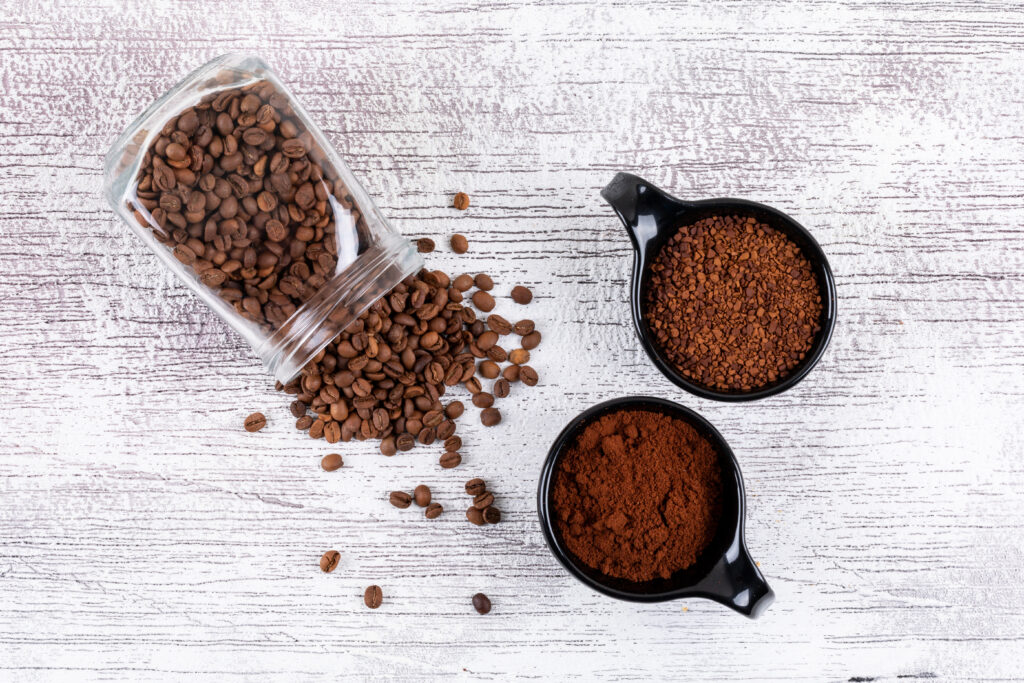
There are two main types of coffee beans most cafes work with: Arabica and Robusta. Arabica beans tend to be smoother, more complex, and slightly sweeter. Robusta beans carry more caffeine and a bolder, sometimes harsher flavor. Most specialty cafes, including the best coffee shops in SF, lean toward high-quality Arabica beans because of the range of flavors they can produce when roasted and brewed properly.
Roast level matters a lot too. Here is a simple breakdown:
- Light roast keeps more of the original flavors from the growing region, often fruity or floral, with higher acidity
- Medium roast balances those origin flavors with a bit more sweetness and body, less acidic than light roast
- Dark roast brings out bold, smoky, sometimes chocolatey notes with a heavier body and lower acidity
Specialty cafes in the Bay Area often rotate their single-origin offerings depending on what is freshest and in season. This is one reason why visiting a good SF cafe regularly keeps things interesting. You might taste a bright Ethiopian coffee one week and a rich Colombian roast the next.
Brewing Methods and What They Do to Your Coffee
Once you have good beans, how you brew them changes everything. Different brewing methods pull different flavors out of the same coffee, and each one has its own personality.
Espresso is the base of most drinks you order at a cafe. It uses high pressure to push hot water through finely ground coffee in a short amount of time, usually around 25 to 30 seconds. The result is a concentrated shot with a thick, syrupy texture and a layer of golden crema on top. Good espresso should be slightly sweet with a round, full flavor and no harsh bitterness. Getting that right is a real skill, and the best baristas in SF work hard to dial in their espresso every single day.
Pour-over brewing is a slower, more hands-on process. Hot water is poured steadily over medium-coarse coffee grounds in a filter, and the water drips through into a cup below. It takes a few minutes, but the result is a clean, clear cup that highlights the subtle flavors in the coffee without any heaviness. This method is beloved in SF foodie culture because it lets the quality of the bean shine.
Cold brew is something the Bay Area helped bring into mainstream cafe culture. It is made by steeping coarse coffee grounds in cold water for 12 to 24 hours. The long, slow extraction pulls out sweetness and body without the bitterness that sometimes comes with hot brewing. Cold brew is smooth, slightly sweet on its own, and lower in acidity, which makes it easy to drink straight or over ice.
French press uses full immersion, meaning the coffee grounds sit in hot water together for several minutes before being separated by pressing down a metal filter. It makes a full-bodied cup with a rich texture. It is one of the easiest methods to do at home and one of the most satisfying when done right.
The Role of Water, Temperature, and Grind
Even with great beans and a good brewing method, small details can make or break a cup. Water quality is one people often overlook. Coffee is mostly water, so if your water tastes off, your coffee will too. Most specialty cafes use filtered water, and many take it a step further by adjusting the mineral content to match what works best for their beans.
Water temperature matters just as much. Water that is too hot over-extracts the coffee, pulling out bitter compounds. Too cool and the coffee comes out sour and underdeveloped. The sweet spot for most brewing methods is somewhere between 195 and 205 degrees Fahrenheit, just below a full boil.
Grind size is the detail that trips up most home brewers. Coffee ground too fine can clog filters and turn bitter. Ground too coarse and the water flows through too fast, leaving the coffee weak and flat. Each brewing method needs its own grind size, and a good burr grinder gives you much more control than a blade grinder. The best SF brunch cafes and breakfast spots invest in quality grinders because they know it directly affects every cup they serve.
What Great Coffee Looks Like in a Real Cafe Setting
Visiting a great SF cafe is different from making coffee at home, and part of that is the experience itself. Good cafe culture is not just about the coffee. It is about the environment, the pace, and the care that goes into each order.
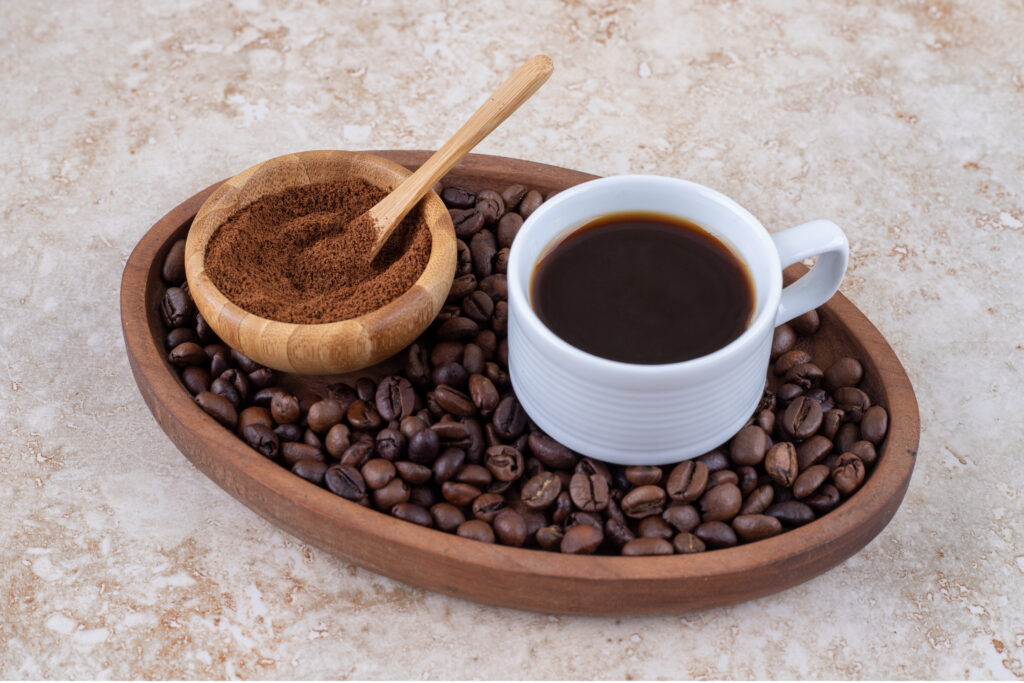
At Barista Coffee & Brunch on Sacramento Street, the coffee program is taken seriously. The barista skills you see behind the counter are not just for show. Every espresso shot is pulled with attention, every milk texture is checked before it hits the cup, and every order is made to the specific preferences of the person who asked for it. That kind of consistency is what separates good SF brunch spots from great ones.
The menu at Barista Coffee & Brunch pairs that quality coffee with hearty breakfast classics and fresh, flavorful brunch creations, which is exactly the kind of combination that Bay Area food lovers look for. A well-made latte hits differently when it comes alongside a meal that was made with the same level of care. That is what makes this Sacramento Street cafe worth visiting again and again.
A few tips that any coffee lover will find useful when visiting any SF cafe:
- Order based on how you like your coffee. If you like something bold, try a double espresso or Americano. If you like something smooth and milky, a flat white or latte is the move.
- Ask what is fresh. Good cafes often rotate single-origin options and seasonal drinks. Do not be shy about asking what the barista recommends.
- Try it black first. If you are drinking a specialty coffee or a pour-over, tasting it before you add milk or sugar tells you a lot about the quality of the bean.
- Takeout is a real option. If you want to enjoy your coffee on a walk through the neighborhood or at a nearby park, most SF brunch spots and cafes are happy to pack your order to go.
Coffee and Brunch: A Pairing That Just Works
There is a reason coffee and brunch go together so well. Both are about slowing down, enjoying good things, and being present in the moment. Brunch culture in San Francisco is built around that idea. You come for the food, you stay for the atmosphere, and the coffee keeps you there a little longer.
The Bay Area eats scene has made SF brunch spots into a true category of their own. You can find everything from casual neighborhood cafes to full breakfast menus with rotating seasonal specials. But the best ones share the same qualities: great coffee, thoughtful food, and a space that feels good to be in.
Great coffee is worth understanding and worth seeking out. Barista Coffee & Brunch on Sacramento Street is a place where the craft is real, the food is satisfying, and the cup in front of you was made by someone who genuinely cares about getting it right. That is the art of a perfect cup, and it is something you can taste in every sip.