

The Historical Origin of Brunch
Brunch feels like it has always existed. On weekend mornings across San Francisco, people line up outside their favorite spots, coffee in hand, waiting for a table where they can order eggs at noon without anyone raising an eyebrow. It feels natural and modern and very much a part of city life right now. But it has a history that stretches back over a century, and the story of how it went from a niche British tradition to one of the most popular meal formats in American food culture is genuinely interesting. It is a story about social change, shifting schedules, the rise of leisure time, and the way cities shape how people eat together.
Where Brunch Was Born
The word brunch appeared in print for the first time in 1895 in a British magazine called Hunter’s Weekly. The author, a writer named Guy Beringer, proposed the idea in a piece that argued for a new meal to replace the heavy Sunday morning meal that typically followed a late night. His argument was simple and practical. After a Saturday evening out, Sunday morning feels better with something lighter and more flexible than a traditional breakfast. A meal that starts a little later, combines breakfast and lunch elements, and comes with a more relaxed pace suited the lifestyle of people who wanted their Sunday mornings to feel like a genuine rest.
Beringer’s pitch landed in a particular cultural moment. Victorian England had a strong tradition of large Sunday meals, and the emerging middle and upper classes had the leisure time and the social appetite for a new kind of dining occasion. Brunch, as he imagined it, was convivial and unhurried. It was something you enjoyed with other people without the formality of a full dinner or the rush of a weekday breakfast. That framing, brunch as a social occasion rather than just a meal, turned out to be exactly the right idea at the right time.
The concept crossed the Atlantic in the early 20th century, where it found a ready audience in American cities. New York was one of the first places in the United States where brunch took hold as a genuine dining tradition. Hotels and restaurants began offering late morning menus that appealed to a growing class of urban professionals and social diners who wanted something between a working-week breakfast and a weekend lunch. By the 1930s, brunch was being written about in American newspapers and food magazines as a legitimate and fashionable meal occasion.
How Brunch Evolved Into What It Is Today
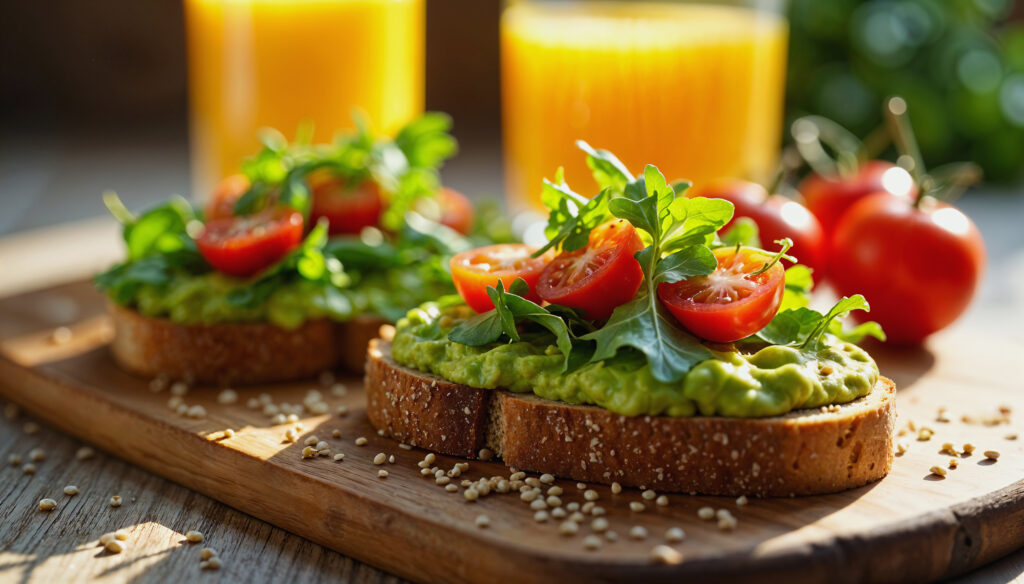
The version of brunch most people know today, the one with eggs Benedict and bottomless coffee and long tables of friends talking over plates of avocado toast, is a product of decades of slow evolution shaped by food culture, immigration, city life, and changing ideas about how people want to spend their weekend mornings.
In the mid-20th century, brunch became more democratic. It was no longer just for people with leisure and money. Diners and neighborhood restaurants across American cities began offering weekend breakfast menus that ran well into the afternoon, and the meal became something accessible to a much wider range of people. The food diversified alongside the dining public. Regional ingredients and immigrant food traditions began showing up in brunch menus, enriching the format with flavors and dishes that had nothing to do with the original English template.
By the time café culture exploded in the 1980s and 1990s, brunch had found its permanent home. Cafés became the natural setting for weekend brunch in cities across America because they already had the coffee, the informal atmosphere, and the flexible menus that suited the meal’s unhurried spirit. San Francisco, with its strong café culture and deeply food-forward identity, embraced brunch in a way that made it feel like a local tradition rather than an imported one.
Here is how brunch changed across the decades:
- 1890s: coined in England as a relaxed Sunday alternative to the traditional morning meal
- Early 1900s: adopted in American cities, primarily in hotels and upscale dining establishments
- 1930s to 1950s: spread into diners and neighborhood restaurants, becoming more accessible
- 1960s to 1980s: diversified with regional and international flavors as food culture expanded
- 1990s to 2000s: became a cornerstone of café culture and urban weekend life
- Today: one of the most popular meal formats in cities like San Francisco, drawing both locals and visitors
Brunch in San Francisco and Why It Feels Different Here
San Francisco has always had a particular relationship with food. The city sits at the intersection of agricultural abundance, cultural diversity, and a population that genuinely cares about what it eats and where it comes from. These qualities have shaped the local brunch scene into something that feels distinct from what you find in most other cities. SF brunch is not just a meal. It is a way of spending time, a reason to slow down, and a reflection of the city’s values around quality, community, and pleasure.
The best brunch spots in San Francisco tend to share a few things in common. They take their ingredients seriously. They have menus that change with the seasons or at least respond to what is fresh and available. They pay attention to the coffee because in a city with this level of café culture, a mediocre cup alongside a great plate of food is noticed and remembered. And they create spaces where people want to linger, not just eat quickly and leave.

Bay Area foodies have helped push the brunch format forward by bringing real curiosity to the table. The same people who care about where their coffee comes from and how their vegetables were grown bring those questions to brunch menus too. This has pushed cafés and restaurants to be more thoughtful about sourcing, more creative with their dishes, and more honest about what makes a great brunch worth seeking out.
Barista Coffee & Brunch on Sacramento Street is part of this tradition. The café brings together hearty breakfast classics and fresh, flavorful brunch creations in a space that reflects what San Francisco brunch culture does best. Whether you are a long-time local who treats weekend brunch as a non-negotiable ritual or someone visiting the city and looking for a genuine taste of SF food, the experience there speaks to why brunch has lasted as long as it has and why it continues to bring people together.
What Makes Brunch Worth Seeking Out
The staying power of brunch comes down to something simple. It fills a need that no other meal quite addresses. It is the meal that works when you want to sleep in but still want something substantial. It is the format that suits a long conversation with a friend better than dinner, which can feel rushed, and better than a quick weekday breakfast, which rarely has room for anything more than the essentials. Brunch has always been about time, specifically about giving yourself permission to take a little more of it on a day when that feels possible.
A few things make a brunch experience worth going back for:
- Coffee that is made with care and served hot, not as an afterthought
- Food that uses fresh, quality ingredients rather than relying on routine
- A pace that lets you stay as long as you want without feeling pressure to leave
- A space that feels comfortable for both solo visitors and groups of friends or family
- Staff who know the menu and can make a genuine suggestion when asked
For anyone putting together their own San Francisco foodie guide or a Bay Area brunch guide for a visit or a weekend of exploration, brunch spots that understand their own history and the culture they are part of tend to show up as the most memorable. The best breakfast places in San Francisco have that quality, a sense that what they are doing connects to something real, whether that is a neighborhood, a tradition, or simply a commitment to making people feel well fed and welcome.
Brunch started as a practical idea in a British magazine over a hundred years ago and grew into something much larger than anyone who wrote that first article could have predicted. It became a cultural fixture, a social institution, and one of the most reliable ways people in cities like San Francisco choose to spend their most relaxed and connected hours. That is quite a journey for a meal that technically did not even have a name until 1895.