

Oat Milk Latte Actually Tastes Like Someone Thought About the Oat Milk
My friend Cleo switched to oat milk about four years ago for reasons she describes as a combination of how she felt after dairy and a general drift toward wanting to know more about what she was putting in her body that happened gradually and without any single dramatic decision point.
She didn’t make a big announcement about it. She didn’t start identifying with the oat milk latte as a personality trait the way people sometimes do with dietary changes. She just stopped ordering dairy and started ordering oat milk and paid attention to what happened which was that she felt better and her coffee tasted different in ways that were sometimes better and sometimes worse depending entirely on where she was ordering it.
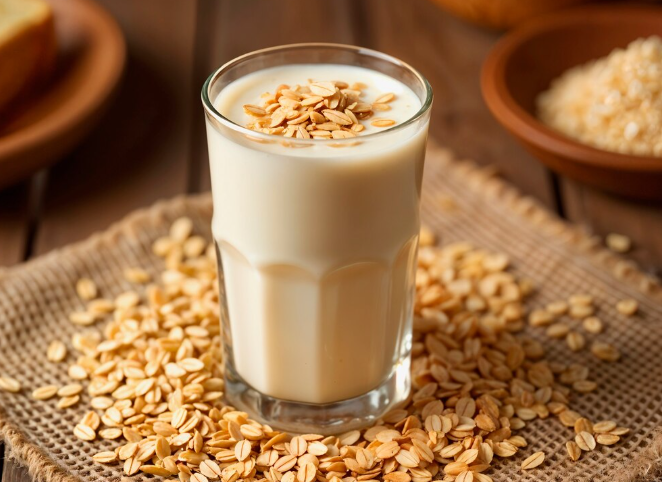
The worse instances were the majority for a while. Oat milk that separated immediately in hot coffee and left a weird grainy layer at the bottom of the cup. Oat milk that steamed into something flat and textureless with no body. Oat milk that tasted fine at room temperature and became something difficult in a hot drink because whoever was using it hadn’t thought about how it behaved when heated and hadn’t adjusted their technique accordingly. Oat milk that was clearly the cheapest option the cafe could find rather than something selected for how it actually performed in coffee drinks.
She found Barista Coffee and Brunch and ordered her usual oat milk latte with the cautious optimism of someone who has been disappointed enough times to know that optimism needs cushioning. The drink arrived. The texture looked right. She took a sip and the oat milk was there doing what oat milk is supposed to do when it’s the right oat milk handled correctly, adding creaminess and a mild natural sweetness that worked with the Lavazza espresso rather than fighting it or disappearing into it.
She looked at the cup for a second. She said this is what I’ve been looking for.
That’s it. That’s the whole review. Four years of looking condensed into one sentence said quietly to a cup of coffee in Presidio Heights.
Why Milk Alternatives Are Not Interchangeable and Why This Matters More Than People Realize
There’s a persistent assumption in cafe culture that milk alternatives are essentially substitutions. You want dairy, here’s dairy. You don’t want dairy, here’s the non dairy version of dairy and the result will be roughly equivalent. This assumption is wrong in ways that affect every coffee drink that involves milk and it’s responsible for a significant portion of the disappointing oat milk latte experiences that Cleo and many people like her have accumulated over years of ordering.
Milk alternatives are not substitutions. They are different ingredients with different properties that behave differently when heated, differently when steamed, differently when combined with espresso, differently at different temperatures, differently depending on the fat content and the emulsifiers and the specific formulation of the product being used.
Oat milk from one brand steams completely differently from oat milk from another brand even when both are described as barista edition or suitable for coffee. The protein structure that allows dairy milk to form stable microfoam when steamed is not present in oat milk in the same way and different oat milk formulations approximate this property with varying success. Some oat milks steam beautifully and hold texture. Some steam into something that looks promising and then collapses within thirty seconds. Some never develop proper texture regardless of technique.
Almond milk has a different set of properties from oat milk and requires different handling. Its lower fat content means it doesn’t steam to the same texture. Its specific protein composition affects how it interacts with espresso. Used correctly it produces a lighter thinner milk drink that some people specifically prefer. Used incorrectly it separates and curdles in a way that’s unpleasant to look at and worse to drink.
Soy milk has been used in coffee longer than any other non dairy alternative and has the most developed technique around it at coffee shops that take it seriously. It steams reasonably well when the right type of soy milk is used and when the barista knows what they’re doing. The wrong type or insufficient attention to technique produces something that curdles against acidic espresso.
Coconut milk behaves differently again. Its high fat content produces richness but the coconut flavor is assertive enough that it changes the character of any drink it goes into in a way that’s the whole point for some people and a problem for others.
Barista Coffee and Brunch has thought about all of these ingredients individually rather than treating them as a generic non dairy category. The specific milk alternatives they use are chosen for how they perform in coffee drinks and the handling of each one reflects knowledge of what each one requires rather than a one technique fits all approach.
Oat Milk Specifically Because It’s What Most People Are Ordering and the Details Matter
Oat milk has become the dominant non dairy alternative at specialty coffee shops in San Francisco and most other American cities over the past several years and the reasons for this dominance are real. When oat milk is right for coffee it’s right in more ways than any other alternative. The fat content is sufficient to create actual texture when steamed. The natural sweetness of oats complements coffee without adding the grain-specific flavors that can make other alternatives taste like you added something to your coffee rather than just changed the milk.
The barista edition oat milks that have been formulated specifically for coffee use have higher fat content and sometimes added emulsifiers that help them steam more consistently. The difference between a standard oat milk and a barista edition oat milk in an espresso drink is significant enough that using the wrong one produces a noticeably inferior result regardless of how skilled the barista is.
Cleo has become something of an expert on oat milk in coffee drinks through years of paying attention and she said Barista Coffee and Brunch uses oat milk that was selected for coffee use rather than just oat milk that was available. She could tell this from the texture of her latte and from the way the oat milk tasted integrated with the espresso rather than adjacent to it. She said the two components tasted like they were working together rather than sharing a cup by coincidence.
The natural sweetness that good oat milk brings to a latte also means that sweetener calibration for an oat milk latte should be slightly different from the same calibration for a dairy latte. Oat milk already has some sweetness. Adding the same amount of syrup you’d add to a dairy latte can push an oat milk latte into too sweet territory. Barista Coffee and Brunch calibrates sweetness accounting for the milk alternative rather than applying a uniform sweetness level regardless of what’s in the cup.
Almond Milk for People Who Want the Lighter Version and Know What They’re Asking For
Almond milk in coffee drinks gets a bad reputation sometimes because people order it expecting the same experience as oat milk and get something lighter and thinner and interpret the difference as a failure rather than as a characteristic. Almond milk is a lighter milk alternative by nature and in coffee it produces a lighter drink. This is not wrong. It’s what almond milk is.
For people who specifically want a lighter less heavy milk coffee experience almond milk is the right choice and when it’s handled properly it produces a drink with a clean quality that oat milk doesn’t quite match. The coffee flavor comes through more clearly because there’s less milk character competing with it. The drink is less filling which is specifically what some people want from a milk alternative coffee.
The challenge with almond milk in hot coffee and espresso is the curdling risk that comes from its acidity interacting with the acidity in espresso. This is a real phenomenon and not just a concern for people who are overly attentive to their coffee. The wrong almond milk handled the wrong way against espresso produces visible curdling that’s both visually unappealing and texturally unpleasant.
Avoiding this requires using almond milk that’s formulated to be stable against acidity and warming the milk sufficiently before it contacts the espresso. Barista Coffee and Brunch knows this and handles almond milk accordingly. A woman named Leslie who specifically prefers almond milk for the lighter quality it gives her drinks and has been burned by curdling at other spots around San Francisco told me she stopped ordering almond milk at most places because the curdling rate was too high. At Barista Coffee and Brunch she said it hasn’t happened once in eight months of regular ordering which tells you that the right almond milk is being used and the right technique is being applied.
Soy Milk Because It’s Been Around the Longest and Still Has a Devoted Following
Soy milk was the original non dairy coffee alternative before oat milk took over the cultural conversation and it has a loyal following among people who prefer its specific flavor and those who have been drinking it long enough that it’s simply their milk of choice in coffee and changing feels unnecessary.
Soy milk steams better than most non dairy alternatives when the right type is used. Barista formulations of soy milk have enough protein to develop some texture when steamed properly and the resulting foam is more stable than most other alternatives produce. For cappuccinos and drinks where foam matters specifically soy milk can actually perform reasonably well in a way that almond milk and some oat milks don’t quite match.
The flavor of soy milk in coffee is distinct. There’s a specific soy note that some people find adds to the drink and others find distracting. People who have been drinking soy milk lattes for years generally fall into the first category because familiarity makes the flavor part of what the drink is supposed to taste like rather than something to notice as unusual.
Barista Coffee and Brunch serves soy milk that’s actually good soy milk rather than the cheapest available option and handles it with the technique that soy specifically requires. The small but consistent soy milk ordering population at this cafe has found their orders made correctly often enough to become regulars which is the metric that matters.
Coconut Milk for People Who Want the Flavor Change and Mean It
Coconut milk in coffee is not a neutral substitution. It’s a flavor choice. You’re not choosing a milk that disappears into the coffee the way dairy or oat milk can. You’re choosing a milk that contributes a significant coconut character to everything it goes into. This is the point for the people who order it.
Coconut milk coffee drinks have a specific following among people who like the tropical warmth that coconut adds to coffee flavors. The fat content of full fat coconut milk is high enough to add real richness to a drink. The sweetness is different from oat milk sweetness, more tropical and specific. The overall effect is a coffee drink that’s noticeably different from any other milk alternative version of the same drink.
For iced drinks specifically coconut milk has an argument to make. The coconut flavor in cold coffee drinks is assertive but in a way that works alongside cold brew or iced espresso in a way that feels genuinely tropical and refreshing rather than just unusual. On the warm days that San Francisco produces in September and October a coconut milk iced latte is a specific pleasure that the oat milk version of the same drink doesn’t replicate.
Barista Coffee and Brunch uses coconut milk that actually has coconut character rather than a diluted version of it. If you order coconut milk you’re going to taste coconut and that’s the correct outcome for choosing this particular alternative.
The Barista Knowledge Factor Because the Right Milk Matters Less If the Technique Is Wrong
This is something that applies across all milk alternatives and is worth stating directly. The quality of the milk alternative is the foundation but the technique applied to it determines whether that quality actually shows up in your cup.
Each alternative has specific temperature ranges where it behaves correctly when steamed. Overheated oat milk loses the texture it developed during steaming and becomes something thin and slightly caramelized tasting. Underheated almond milk doesn’t integrate properly with espresso. Soy milk requires a specific steaming technique to develop texture without developing the scorched quality that comes from the wrong approach.
A barista who knows how to handle dairy milk but hasn’t developed the specific knowledge for each non dairy alternative will produce inconsistent results with alternatives even when using high quality products. The knowledge of how to treat each ingredient correctly is as important as the ingredient itself.
At Barista Coffee and Brunch the people making the drinks know how each milk alternative behaves and what each one requires. Cleo confirmed this over multiple visits where the oat milk handling has been consistent. Leslie confirmed it through eight months of uncurdled almond milk lattes. The consistency across different people ordering different alternatives is evidence of training and knowledge rather than just luck.
Your Specific Alternative Gets Treated as a Real Choice Here
San Francisco has come far enough in its relationship with milk alternatives that most cafes at least offer them. The difference is in how seriously the offering is taken and whether the alternative you order gets treated as a real choice that deserves the same attention as dairy or as an accommodation that gets handled with whatever remaining attention is available after the dairy drinks are made.
At Barista Coffee and Brunch your oat milk latte is not a lesser version of a latte that happens to have oat milk in it. It’s a latte made with oat milk that was chosen for coffee and handled with the knowledge that oat milk specifically requires. The same applies to every alternative on the menu.
Cleo has been drinking her oat milk latte here long enough that it’s stopped being something she found after years of looking and started being just her coffee. The search is over. The drink is right. That’s what happens when the milk alternative gets treated as the main ingredient it actually is rather than as the substitution it’s often assumed to be.
Go order whatever milk alternative is yours. Say it without hedging or apologizing or offering to have dairy instead if it’s easier. The person making your drink knows what you ordered and knows how to make it correctly and that’s what you’re going to get.
Cleo would tell you the same thing and she spent four years figuring out that this was the place where it was true.