

Which Smoothie Is Best for Gut Health?
Gut health has become one of the most talked-about topics in food and wellness, and for good reason. The way your digestive system feels affects your energy, your mood, your skin, and even how well you sleep. More people are paying attention to what they put into their bodies each morning, and smoothies have become one of the easiest and most enjoyable ways to support a healthy gut.
In San Francisco, where Bay Area food culture leans heavily toward fresh, thoughtful, ingredient-driven choices, smoothies are a regular part of how people start their day. You will find them at breakfast spots, SF brunch spots, and cafes all across the city, each one built around ingredients that taste good and do something good for your body at the same time.
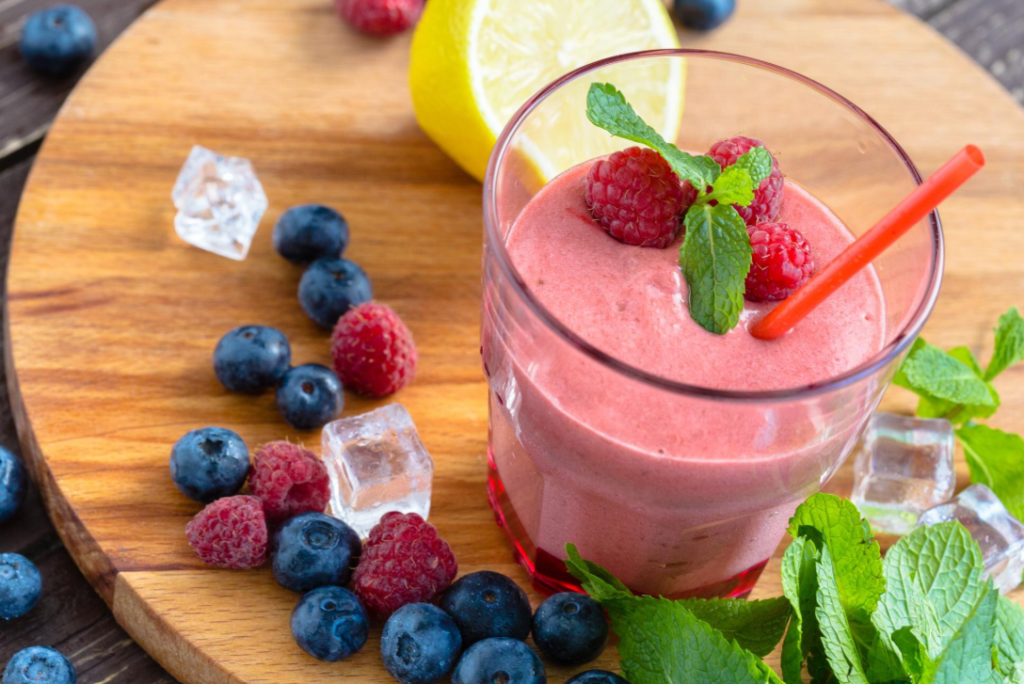
The question most people have is simple: which smoothie actually helps your gut, and what should be in it? The answer comes down to a handful of specific ingredients that research and nutrition have pointed to again and again. Fiber, probiotics, prebiotics, anti-inflammatory foods, and hydrating fruits all play a role in keeping your digestive system running well. This guide breaks all of that down in plain language so you can make better choices whether you are blending at home or ordering at one of the best cafes in the Bay Area.
What Your Gut Actually Needs
Your gut is home to trillions of bacteria, and keeping those bacteria happy and balanced is what gut health is really about. When that balance is off, you might feel bloated, tired, or just not quite right. When it is working well, digestion feels easy, your energy is steady, and your body absorbs nutrients the way it should.
The gut thrives on a few key things. Fiber feeds the good bacteria in your digestive tract and keeps things moving. Probiotic foods introduce live, beneficial bacteria directly into your system. Prebiotic foods act as fuel for the good bacteria already living in your gut. Anti-inflammatory ingredients calm irritation in the digestive lining. And plenty of water-rich foods help everything flow the way it should.
Smoothies are a great vehicle for all of these things because you can pack a wide range of ingredients into one glass. A well-built smoothie can deliver fiber, probiotics, prebiotics, and anti-inflammatory compounds all at once, which makes it one of the most efficient gut-supporting meals you can have in the morning alongside a good coffee or as part of a full SF brunch.
The Best Smoothie Ingredients for Gut Health
The ingredients you choose matter more than the recipe itself. Here is a look at the most effective gut-friendly smoothie additions and why each one earns its place in the blender.
Bananas are one of the most gut-friendly fruits you can use. They contain a type of fiber called inulin, which acts as a prebiotic and feeds the good bacteria in your gut. Slightly unripe bananas are especially high in resistant starch, which passes through the small intestine without being digested and feeds beneficial bacteria in the colon. Ripe bananas are gentler and easier to digest if your gut is sensitive. Either way, banana is a solid base for any gut health smoothie.
Kefir or yogurt are the most direct way to add probiotics to a smoothie. Kefir is a fermented milk drink that contains a wide variety of live bacterial strains, often more diverse than standard yogurt. If you are dairy-free, coconut yogurt with live cultures works well and is widely available at SF cafes and grocery stores across the Bay Area. Adding one of these to your smoothie introduces live bacteria that support digestion and help maintain a healthy gut environment.
Ginger is a powerful anti-inflammatory ingredient that has been used to support digestion for a very long time. It helps ease bloating, reduces nausea, and calms inflammation in the digestive tract. A small piece of fresh ginger blended into a smoothie adds a gentle warmth and a bright, clean flavor that pairs well with fruits like mango, pineapple, and citrus.
Leafy greens like spinach and kale add fiber without a heavy flavor, especially when blended with fruit. Spinach in particular is very mild and practically disappears into a fruit smoothie while still contributing fiber, magnesium, and folate. Magnesium supports muscle contractions in the digestive tract and helps keep bowel movements regular.
Chia seeds and flaxseeds are small but packed with soluble fiber, which absorbs water and forms a gel-like substance in the digestive tract. This slows digestion in a helpful way, reducing blood sugar spikes and feeding beneficial bacteria. Both seeds also contain omega-3 fatty acids, which have anti-inflammatory properties that benefit the gut lining. A tablespoon of either one blended into a smoothie is enough to make a difference.
Pineapple and papaya are tropical fruits that contain natural digestive enzymes. Bromelain in pineapple and papain in papaya help break down proteins and ease the digestive process. These fruits are also rich in vitamin C and water content, which keeps the digestive system hydrated and moving well.
Oats blended into a smoothie add beta-glucan, a specific type of soluble fiber that has strong prebiotic properties. Beta-glucan feeds good gut bacteria and has been shown to support a balanced gut microbiome. Adding a quarter cup of rolled oats to your smoothie makes it more filling and more beneficial for your digestive health at the same time.
Here is a quick list of the best gut-friendly smoothie ingredients to keep on hand:
- Banana, ripe or slightly unripe
- Plain kefir or coconut yogurt with live cultures
- Fresh ginger, about a thumb-sized piece
- Baby spinach or kale
- Chia seeds or ground flaxseed
- Pineapple or papaya chunks
- Rolled oats
- Blueberries, which are high in polyphenols that feed good gut bacteria
- Almond milk or oat milk as a base, both gentle on digestion
Three Smoothie Combinations Worth Trying
Knowing which ingredients help is useful, but seeing how they come together in a real recipe makes it easier to actually start making them. Here are three simple smoothie combinations built specifically for gut health.
The first is a classic gut reset smoothie. Blend one banana, half a cup of plain kefir or coconut yogurt, a thumb of fresh ginger, a cup of baby spinach, and one cup of oat milk. This hits probiotics, prebiotics, fiber, and anti-inflammatory compounds all in one glass. It tastes mild and slightly sweet with a gentle ginger warmth. It is an easy morning drink that pairs well with a light breakfast or a cup of coffee.
The second is a tropical digestion smoothie. Blend one cup of frozen pineapple, half a cup of papaya, half a banana, one tablespoon of chia seeds, a small piece of ginger, and one cup of coconut water. This is bright, fruity, and hydrating. The digestive enzymes from pineapple and papaya make it especially helpful after a heavier meal or a rich SF brunch.
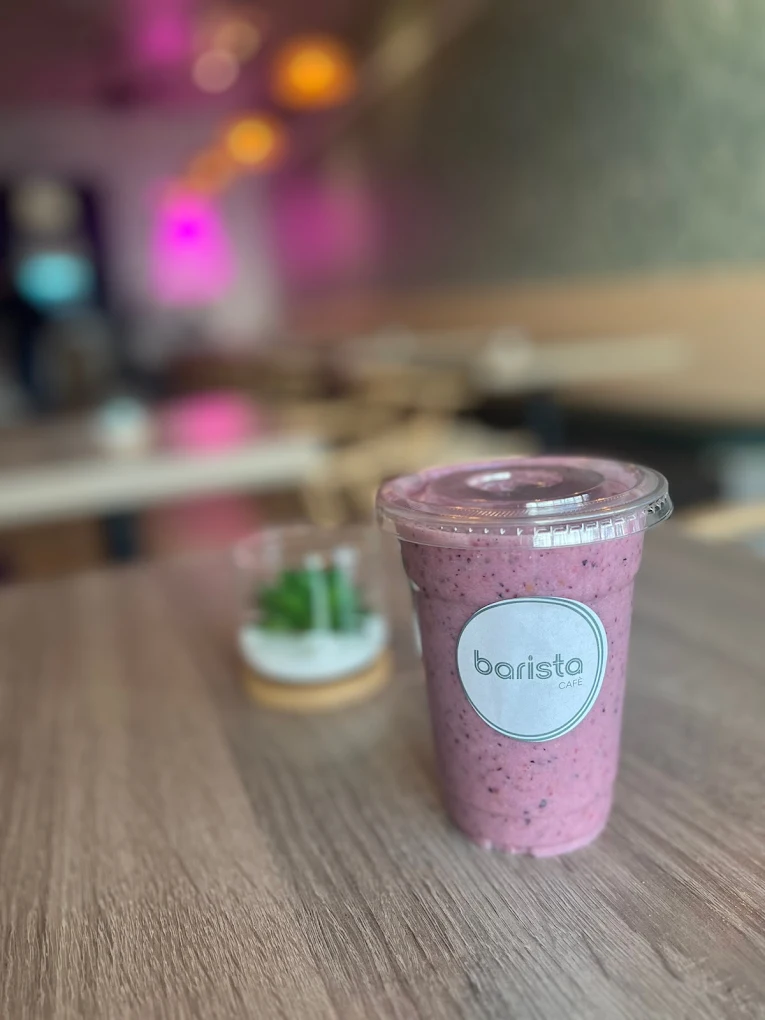
The third is a berry and oat gut smoothie. Blend half a cup of rolled oats, one cup of frozen blueberries, half a cup of plain yogurt, one tablespoon of ground flaxseed, and one cup of almond milk. Let it sit for a minute after blending so the oats soften slightly. This one is thicker, more filling, and full of fiber and polyphenols. It works well as a full breakfast on its own.
Smoothies, Brunch Culture, and Eating Well in San Francisco
San Francisco food culture has always placed a high value on ingredients that are both delicious and genuinely good for you. Bay Area eats are shaped by proximity to fresh produce, a diverse food community, and a population that pays attention to health without giving up flavor. Smoothies fit naturally into that culture because they are fast, flexible, and easy to build around whatever feels right for your body on a given day.
The best brunch spots in San Francisco understand that people want options that work for their health as well as their taste. At a place like Barista Coffee & Brunch on Sacramento Street, the food philosophy reflects exactly that balance. From hearty breakfast classics to fresh, flavorful brunch creations, the menu is built around ingredients that satisfy and nourish at the same time. That kind of approach is what SF foodies look for, and it is what keeps people coming back.
A few practical tips to close this out. If you are making smoothies at home, batch-prep your ingredients by portioning them into freezer bags so your morning routine stays quick. If you are ordering at an SF cafe or brunch spot, ask whether they can add ginger, chia, or flaxseed to a smoothie, since many places are happy to customize. Start with ingredients your gut already tolerates well, and add new ones gradually so your digestive system has time to adjust. And drink your smoothie slowly rather than rushing through it. Digestion actually starts in the mouth, and taking your time helps the whole process work better.
Good gut health starts with small, consistent choices. A well-made smoothie in the morning is one of the simplest and most enjoyable ways to support your digestion every day. In a city like San Francisco, where Bay Area food culture makes quality ingredients easy to find, building that habit is easier than you might think. Barista Coffee & Brunch on Sacramento Street is the kind of place that reminds you how good eating well can actually feel.