

How Does Decaf Coffee Work Chemically?
Decaf coffee has a bit of an unfair reputation. A lot of people assume it is a pale, flavorless version of real coffee, something you drink only when you have no other choice. But the truth is more interesting than that, and the science behind how decaf is made explains a lot about why modern decaf tastes so much better than it used to. If you have ever wondered what actually happens to coffee when the caffeine is removed, or whether decaf is really worth ordering at your favorite SF cafe, this guide gives you clear, honest answers to all of it.
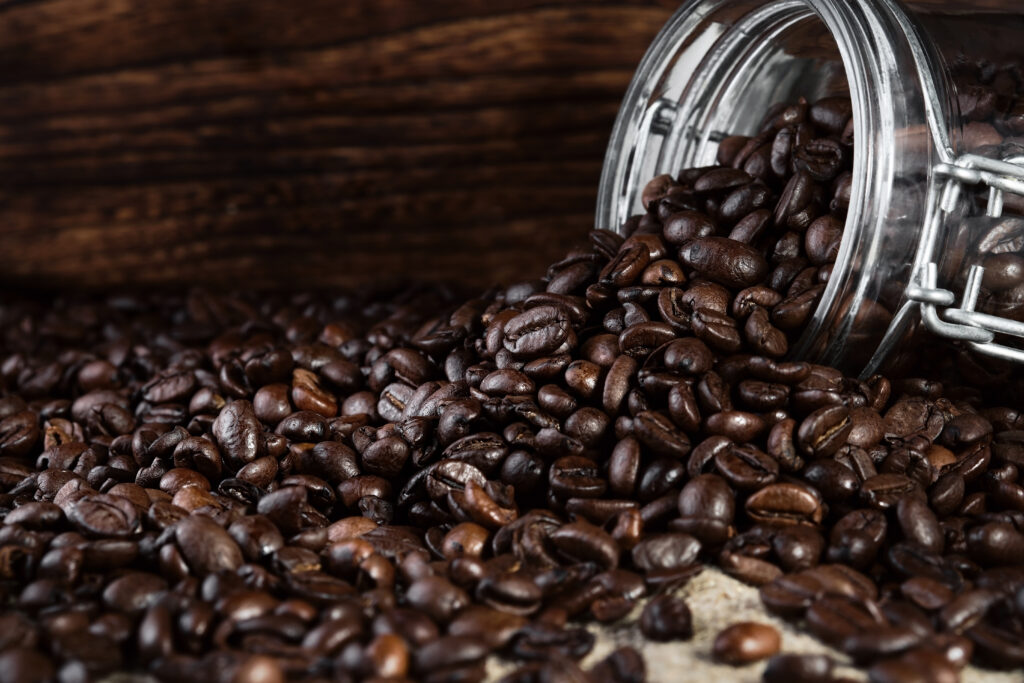
San Francisco has one of the most thoughtful coffee cultures in the country. Bay Area food conversations go deep, and that includes the kind of attention people pay to how their coffee is sourced, roasted, and brewed. Decaf has a real place in that conversation, especially for coffee lovers who want the full experience of a well-made cup without the caffeine that comes with it. Understanding the chemistry behind decaffeination helps you appreciate the craft that goes into every bag of decaf beans and every cup poured from them.
What Caffeine Actually Is and Why It Gets Removed
Caffeine is a natural compound found in coffee beans. Chemically, it belongs to a class of molecules called methylxanthines, and it works in the human body by blocking adenosine receptors in the brain. Adenosine is a chemical that builds up throughout the day and makes you feel sleepy. When caffeine blocks those receptors, that sleepy signal does not get through, which is why coffee makes you feel more alert. The effect is temporary, but for many people it is exactly what they are looking for in the morning.
For others, caffeine causes problems. It can interfere with sleep, raise heart rate, increase anxiety in some people, and cause digestive discomfort. Pregnant people are often advised to limit caffeine. People with certain health conditions manage their intake carefully. And some coffee lovers simply want to enjoy a great cup in the evening without lying awake for hours afterward. All of these are good reasons to want the flavor of coffee without the caffeine, which is exactly what decaffeination provides.
The challenge is that caffeine is embedded inside the coffee bean alongside hundreds of other compounds that contribute to flavor and aroma. Removing caffeine without stripping away those other compounds is a delicate process, and the method used makes a significant difference in the final taste of the coffee.
The Three Main Decaffeination Methods
There are three primary methods used to remove caffeine from coffee beans, and each one works differently at a chemical level. All of them are applied to green, unroasted beans before the roasting process begins.
The Swiss Water Process is the most widely known method among specialty coffee drinkers and the one most often associated with clean, natural decaffeination. It uses no chemical solvents at all. Instead, green coffee beans are soaked in hot water, which draws out caffeine along with other soluble compounds. That water is then passed through activated charcoal filters, which trap the caffeine molecules because of their specific size and chemical structure, while allowing the smaller flavor compounds to pass through.
The resulting water, now full of flavor compounds but free of caffeine, is used to soak a fresh batch of green beans. Because the water is already saturated with flavor compounds, osmosis only pulls the caffeine out of the new beans rather than stripping the flavor too. This cycle is repeated until the beans are 99.9 percent caffeine free. The Swiss Water Process produces a decaf that retains a lot of the original flavor characteristics of the bean, which is why it is popular at specialty cafes across the Bay Area.
The solvent-based method uses either ethyl acetate or methylene chloride to extract caffeine from the beans. Ethyl acetate is a naturally occurring compound found in fruit and is sometimes described as a natural solvent, though commercial versions are often synthesized. In this method, beans are soaked in steam or water to open their pores, then exposed to the solvent. Caffeine binds to the solvent more readily than flavor compounds do, so it gets carried away when the solvent is removed.

The beans are then steamed again to remove any remaining traces of the solvent before roasting. Methylene chloride is effective but has faced scrutiny over the years, leading many specialty roasters and health-conscious cafes to prefer other methods. Ethyl acetate is considered gentler and is often marketed as a more natural option.
The supercritical carbon dioxide method is the most technically advanced of the three and tends to preserve flavor the best of all. In this process, carbon dioxide is pressurized to a state where it behaves as both a liquid and a gas, which is what supercritical means. In this state, CO2 acts as a highly selective solvent that binds almost exclusively to caffeine molecules and leaves the flavor compounds largely untouched.
The caffeine-saturated CO2 is then moved to a separate chamber where the pressure is released, causing the CO2 to return to gas form and leaving the caffeine behind. This method is expensive and requires specialized equipment, which is why it tends to be used by premium coffee producers. The resulting decaf beans tend to taste remarkably close to the original caffeinated version, which makes this method increasingly popular among quality-focused roasters.
Here is a quick side-by-side look at the three methods:
- Swiss Water Process: No chemical solvents, uses activated charcoal filtration, excellent for specialty coffee, 99.9 percent caffeine-free, clean flavor retention
- Ethyl Acetate method: Natural-derived solvent, gentler than methylene chloride, widely used, slight flavor impact possible
- Supercritical CO2 method: Most precise, best flavor retention, caffeine-selective, premium process used by specialty roasters
Does Decaf Still Have Some Caffeine?
This is one of the most common questions people have about decaf, and the answer is yes, a small amount. No decaffeination process removes one hundred percent of the caffeine from a coffee bean. The Swiss Water Process gets to 99.9 percent caffeine-free, and other methods fall within a similar range. What that means in practical terms is that a standard cup of decaf coffee contains roughly 2 to 15 milligrams of caffeine, compared to 80 to 120 milligrams in a regular cup of drip coffee. For most people, that trace amount has no noticeable effect. For those who are highly sensitive to caffeine or managing a medical condition, it is worth keeping in mind.
The exact amount of residual caffeine in a cup of decaf varies depending on the bean variety used, the decaffeination method, how the coffee is roasted, and how it is brewed. A longer brew time or a finer grind can pull out more of whatever caffeine remains. At a good SF cafe where barista skills are applied consistently, the brew parameters for decaf are usually optimized the same way they are for regular coffee.
What Decaf Tastes Like and How to Order It Well
Modern decaf, especially when made from high-quality beans using the Swiss Water or CO2 process, tastes much closer to regular coffee than most people expect. The flavor differences that exist tend to come from slight changes in the chemical structure of certain flavor compounds during the decaffeination process rather than from the removal of caffeine itself. A well-sourced, well-roasted decaf bean brewed correctly can produce a cup that is smooth, balanced, and genuinely enjoyable.
A few practical tips for getting the best decaf experience at an SF cafe or brunch spot:
- Ask about the decaffeination method. A cafe that sources quality decaf beans will usually know how they were processed. Swiss Water and CO2 decafs tend to have the cleanest, most developed flavor.
- Order it as an espresso-based drink. A decaf latte or cappuccino lets the milk complement the coffee and makes any subtle flavor differences less noticeable. It is a great way to ease into decaf if you have had a bad experience with it before.
- Try it in the afternoon or evening. Decaf is a natural fit for later in the day when you want the comfort of a warm cup without affecting your sleep. At a relaxed brunch spot in San Francisco, a decaf flat white alongside a late morning meal is a genuinely pleasant combination.
- Do not skip the food pairing. Decaf coffee pairs just as well with brunch food as regular coffee does. The flavors in the cup complement savory dishes and sweet items equally, and a good meal makes any coffee taste better.
At Barista Coffee & Brunch on Sacramento Street, the coffee experience is built for everyone, including people who prefer decaf. The menu runs from hearty breakfast classics to fresh, flavorful brunch creations, and whether your cup has caffeine in it or not, the standard of what goes into making it stays the same. That kind of consistency is part of what makes it a reliable stop for SF foodies, Bay Area regulars, and anyone who takes their morning cup seriously.
Decaf coffee is not a lesser choice. It is a different one, made possible by some genuinely interesting chemistry and a lot of care from the people who grow, process, and roast the beans. The next time you order a decaf at your favorite SF cafe, you are drinking the result of a process that removes one specific molecule from a complex natural product while trying to leave everything else intact. That is worth appreciating, one sip at a time.