

The Impact of Water Quality on Coffee Flavor
Most people focus on the beans when they think about what makes a great cup of coffee. The roast level, the origin, the grind size, the brewing method, all of these get a lot of attention in foodie culture and conversations across San Francisco. But there is one ingredient that rarely gets talked about, and it makes up more than ninety percent of every cup you drink. That ingredient is water. The quality of the water you use has a direct and measurable impact on how your coffee tastes, and understanding why helps explain why the same beans can produce a completely different cup depending on where you brew them.
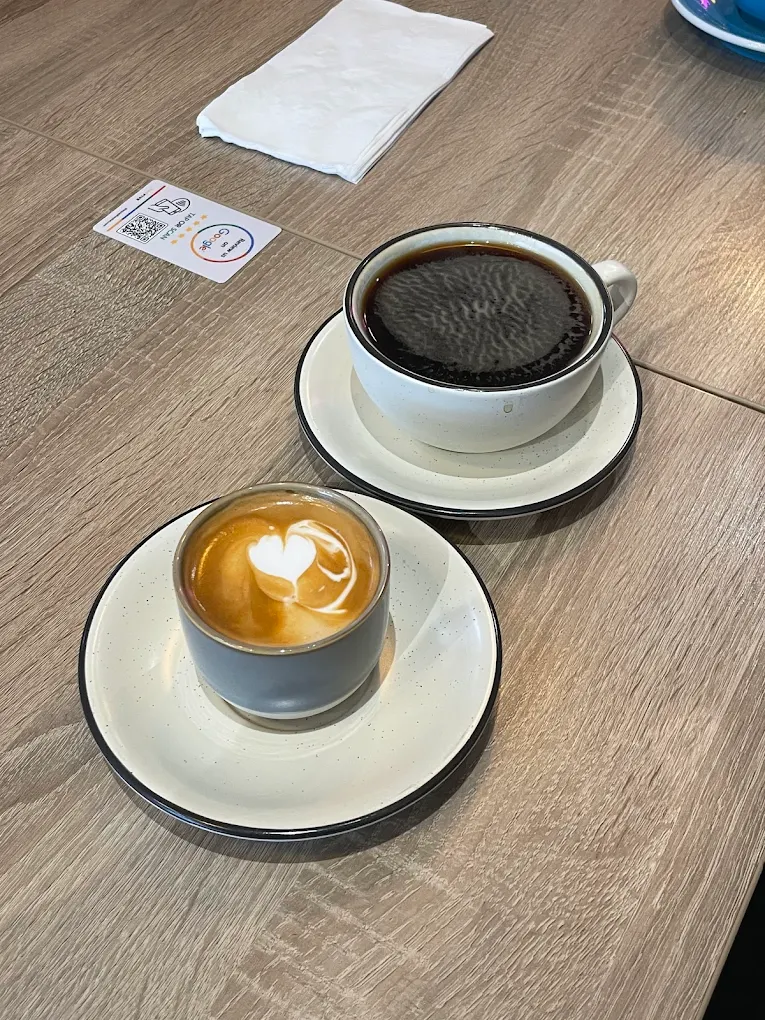
In the Bay Area, where cafe culture is genuinely serious people expect a high standard from every cup, water quality is something the best coffee shops in SF think about carefully. It is not a minor detail. It is one of the foundational factors that separates a flat, dull cup from something bright, balanced, and satisfying. This guide breaks down the science and the practical side of water quality in coffee, so you can understand what is happening in your cup and why it matters every single morning.
Why Water Is So Much More Than Just H2O
Tap water is not pure water. Even clean, safe drinking water contains dissolved minerals, trace compounds, and treatment chemicals that vary significantly depending on where you live. These include calcium, magnesium, sodium, bicarbonate, chlorine, and chloramine, among others. Each of these affects coffee differently, and the balance between them shapes the extraction process in ways that directly change the flavor in your cup.
Water acts as a solvent when you brew coffee. It dissolves the soluble compounds inside the ground beans and carries them into the liquid. The minerals in water play an active role in this process. They interact with the flavor compounds in coffee on a chemical level, either helping to pull them out or blocking them depending on their concentration and type.
Magnesium is particularly important in coffee extraction. Research from coffee scientists has shown that magnesium ions have a strong affinity for the aromatic and flavorful compounds in coffee. Water with a moderate amount of magnesium extracts those compounds more effectively and produces a cup with more complexity and brightness. Calcium also contributes to extraction but in a slightly different way, tending to enhance body and sweetness more than the bright, fruity notes that magnesium supports.
Bicarbonate, which is responsible for water hardness along with calcium and magnesium, affects the acidity of the final cup. High bicarbonate levels neutralize the natural acids in coffee, which sounds like it might make the coffee smoother, but in practice it tends to flatten the flavor and dull the brightness that makes a well-made cup interesting. Water with too much bicarbonate produces coffee that tastes hollow and undefined.
Chlorine and chloramine are added to municipal water supplies to kill bacteria and make the water safe to drink. They serve an important public health purpose, but in coffee brewing they introduce off-flavors that interfere with the clean taste of the beans. Even a small amount of chlorine in the water can make coffee taste slightly medicinal or papery, which is why filtration is standard practice at quality SF cafes and best cafes in the Bay Area.
What Hard Water and Soft Water Do to Your Cup
The terms hard water and soft water describe the concentration of dissolved minerals in water, primarily calcium and magnesium. Hard water has more of these minerals. Soft water has fewer. Both extremes create problems in coffee brewing, and the sweet spot lies somewhere in between.
Hard water sounds like it would make stronger coffee, but that is not quite how it works. Very hard water can actually block extraction in some ways, because high mineral concentrations interfere with the solvent action of water. The result is often a cup that tastes dull or muddy despite being made from good beans. Hard water also causes limescale buildup in espresso machines and kettles, which affects equipment performance over time and can introduce additional off-flavors if the buildup is not managed.

Soft water, on the other hand, lacks the minerals that help with extraction. Without enough magnesium and calcium, water cannot pull out the full range of flavor compounds from the coffee grounds. The result tends to be a thin, sour, or underdeveloped cup that does not represent the quality of the beans being used. Distilled water, which has had virtually all minerals removed, produces some of the worst-tasting coffee possible because it lacks everything the extraction process depends on.
The Specialty Coffee Association has published water quality guidelines that most serious coffee professionals use as a reference. Their recommended range includes a total dissolved solids level of around 150 parts per million, a calcium hardness of around 50 to 175 parts per million, a bicarbonate level below 100 parts per million, and a neutral pH close to 7. These numbers are not things most home brewers measure, but they give you an idea of how specific the science gets when coffee quality is the priority.
Here is a simple breakdown of how different water types affect your cup:
- Very hard water: Dull, flat, muddy flavor, limescale buildup in equipment, over-muted acidity
- Moderately hard water: Good extraction, balanced flavor, solid body, works well for most brewing methods
- Soft water: Under-extracted, thin texture, sour or sharp taste, lacks body and sweetness
- Distilled or pure water: Poor extraction, flat and unpleasant taste, not suitable for brewing coffee
- Filtered tap water: Usually the best practical option for home brewing, removes chlorine while keeping beneficial minerals
- Water with high bicarbonate: Flat, alkaline taste, suppressed acidity, lacks complexity
How the Best SF Cafes Handle Water Quality
Any SF cafe that takes its coffee seriously has thought carefully about its water. In San Francisco, the municipal water supply is generally considered clean and reasonably good for coffee, but most specialty cafes still filter it before it enters their brewing equipment. Filtration removes chlorine and chloramine while preserving the mineral content that helps with extraction. Some cafes go further and use reverse osmosis systems that strip the water down to near-pure form, then add back specific minerals in precise amounts to build water that performs exactly the way they want for their particular beans.
This level of attention to water is part of what makes the best coffee shops in SF stand out from more casual options. When a barista has dialed in the grind, calibrated the extraction time, sourced quality beans, and also made sure the water going through the machine is properly filtered and mineral-balanced, every variable that can be controlled has been. The cup that comes out of that process reflects all of those decisions at once.
At Barista Coffee & Brunch on Sacramento Street, the commitment to quality coffee runs through every part of the process, including the water used to brew it. That care shows in the consistency of every cup, from a simple house drip to an espresso-based specialty drink. When you pair that with a menu of hearty breakfast classics and fresh, flavorful brunch creations, the whole experience reflects the kind of thoughtfulness that Bay Area food culture rewards.
What You Can Do at Home to Improve Your Coffee
Understanding water quality is useful not just for appreciating what good cafes do, but also for improving the coffee you make at home. A few practical changes can make a noticeable difference in your morning cup without requiring expensive equipment or a lot of technical knowledge.
Using a basic pitcher filter like a Brita or a faucet-mounted filter removes chlorine and chloramine from your tap water. This alone is often enough to produce a noticeably cleaner, more pleasant cup of coffee. The improvement is especially clear if your tap water has a strong smell or taste on its own.

If you live in an area with very hard water, filtered water from the store or a more advanced home filtration system gives you better control over mineral levels. Look for bottled waters with a total dissolved solids reading around 150 ppm, which some brands print on their labels. These tend to produce more balanced extraction than water at either extreme.
Here are a few guide-style tips that any coffee lover will find helpful:
- Start with a simple pitcher filter. It is the easiest and most affordable first step toward better-tasting home coffee.
- Avoid using softened water. Water softeners typically replace calcium and magnesium with sodium, which is not good for coffee extraction or flavor.
- Do not use distilled water. It produces flat, poorly extracted coffee and can also damage some espresso machines over time.
- Clean your equipment regularly. Mineral buildup from hard water affects both flavor and machine performance. Descaling your kettle or coffee maker every few months keeps things working properly.
- Notice how your coffee tastes when you travel. If the same beans taste different in a different city, water quality is likely a big part of the reason.
Water is the quiet foundation of every great cup of coffee. It does not get the recognition that beans or brewing methods do, but without the right water, none of those other things matter as much as they could. In a city like San Francisco, where coffee culture runs deep and Bay Area eats are held to a high standard, paying attention to water quality is simply part of doing things right. The next time you enjoy a well-made cup at a good SF cafe, part of what you are tasting is careful attention to something most people never think about. That invisible detail makes more of a difference than you might expect.