

The Hidden Science Behind Better-Tasting Coffee
Most people have had the experience of drinking a cup of coffee that just tasted right. Not too bitter, not too sour, smooth in the mouth, and satisfying all the way to the last sip. Then there are the other cups, the ones that taste flat, harsh, or just off in a way that is hard to put into words. The difference between those two experiences is not random. There is real science behind why some coffee tastes so much better than others, and once you understand it, you start noticing it everywhere, from the coffee you make at home to the cup in front of you at your favorite SF cafe.
In San Francisco, where cafe culture runs deep and Bay Area food standards are genuinely high, people pay attention to these things. The best coffee shops in SF have built their reputations on getting the details right, and those details are rooted in chemistry, physics, and a lot of careful practice. This guide breaks all of that down in a way that is easy to follow, so whether you are a daily coffee lover, a curious foodie, or someone who just wants to understand why their morning cup sometimes hits different, you will find something useful here.
The Chemistry Inside Every Cup
Coffee seems simple on the surface. You take ground coffee, add hot water, and drink what comes out. But inside that process, hundreds of chemical reactions are happening at once, and the balance between them determines everything about the flavor in your cup.
Coffee beans contain over a thousand different chemical compounds. When heat is applied during roasting, those compounds go through a series of reactions that create the flavors and aromas we associate with coffee. The Maillard reaction, the same process that browns bread and caramelizes onions, plays a major role. It transforms raw, grassy-tasting green coffee into something complex, layered, and rich. Caramelization of the sugars inside the bean adds sweetness and depth. And the breakdown of chlorogenic acids reduces bitterness and creates the bright, slightly fruity notes you find in lighter roasts.
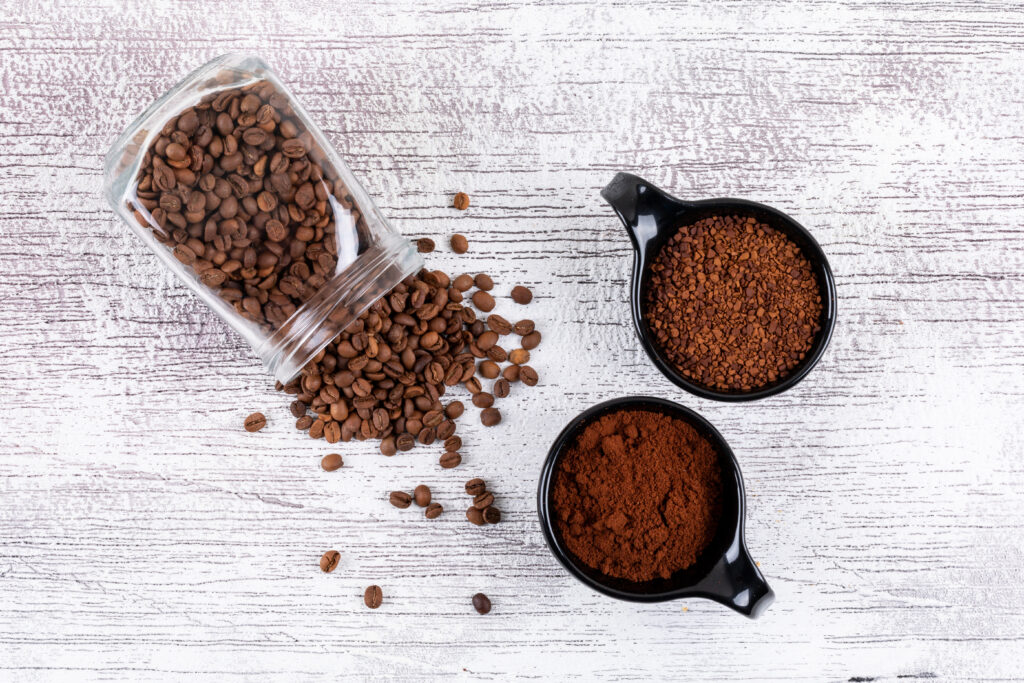
When you brew coffee, hot water acts as a solvent. It pulls soluble compounds out of the ground coffee and carries them into your cup. The compounds that dissolve first tend to be the acidic and fruity ones. The ones that dissolve more slowly are the sweet, full-bodied compounds. And the ones that take the longest, or that come out when water is too hot or contact time is too long, are the harsh, bitter compounds that make coffee taste unpleasant.
This is what extraction means in coffee terms. A properly extracted cup pulls out enough of the good compounds to taste balanced and satisfying. Under-extraction leaves too much behind, producing a sour, thin cup. Over-extraction pulls out too much, creating bitterness and a drying sensation in the mouth. Getting extraction right is the central skill of any good barista, and it is why barista skills matter so much at the best cafes in the Bay Area.
The Variables That Control Flavor
Understanding that extraction drives flavor is the first step. The second is knowing which variables control extraction, because each one can be adjusted to push a cup toward something better.
Water temperature is one of the most impactful variables. Water that is too hot, above about 205 degrees Fahrenheit, extracts bitter compounds too aggressively. Water that is too cool, below about 195 degrees, cannot dissolve enough of the desirable compounds and produces a sour, underdeveloped cup. The sweet spot is narrow, and skilled baristas track it carefully. At a well-run SF cafe, this is not left to chance.
Grind size controls how much surface area the water comes into contact with. Finer grounds have more surface area and extract faster. Coarser grounds extract more slowly. This is why each brewing method needs its own grind size. Espresso uses a very fine grind because the water passes through quickly under pressure. Pour-over uses a medium grind because the water flows through more gradually. Cold brew uses a very coarse grind because it steeps in cold water for up to 24 hours. Getting the grind wrong for the method is one of the most common reasons a cup tastes off, and it is something many home brewers struggle with.
Brew ratio, meaning the proportion of coffee to water, shapes the strength and body of the final cup. Too much water relative to coffee produces a thin, weak drink. Too little water concentrates the flavors to the point of intensity that can feel harsh. Most specialty cafes work with carefully calibrated ratios that they dial in and adjust based on the specific beans they are using.
Contact time, which is how long the water and coffee are in contact, works hand in hand with grind size and temperature. Longer contact time extracts more. Shorter contact time extracts less. Espresso achieves a high-quality extraction in about 25 to 30 seconds by using pressure, very fine grounds, and hot water together. Cold brew takes 12 to 24 hours but uses cold water and coarse grounds, producing a gentle, slow extraction that results in a smooth, low-acid drink.
Water quality is one that surprises people. Coffee is mostly water, so the mineral content of the water directly affects how extraction works. Water that is too soft does not carry minerals that help pull flavor from the coffee. Water that is too hard, with too many minerals like calcium and magnesium, can interfere with extraction and produce a chalky or flat taste. The best coffee shops in SF use filtered water and sometimes adjust mineral content specifically for their beans.
Here is a simple summary of the key variables and what happens when they are off:
- Water too hot: Over-extraction, bitter and harsh flavor
- Water too cool: Under-extraction, sour and thin flavor
- Grind too fine for the method: Over-extraction, bitter and sometimes astringent
- Grind too coarse for the method: Under-extraction, weak and sour
- Too much water: Diluted, weak, flat taste
- Too little water: Overly concentrated, intense, potentially harsh
- Poor water quality: Flat or off flavors that no amount of adjustment can fix
How Good Cafes Apply This Science Every Day
Knowing the science is one thing. Applying it consistently, across dozens or hundreds of cups a day, is what separates good cafes from great ones. This is where the culture of SF coffee and genuine barista skills come together in a way that makes a real difference in the cup.
At a high-quality SF cafe, every morning starts with a process called dialing in. The barista tastes the first espresso shots of the day and adjusts the grind, the dose, or the extraction time based on how those shots taste. Coffee is a natural product, and even beans from the same bag can behave slightly differently as they age or as the humidity in the room changes. Dialing in accounts for those shifts and keeps the flavor consistent throughout the day.
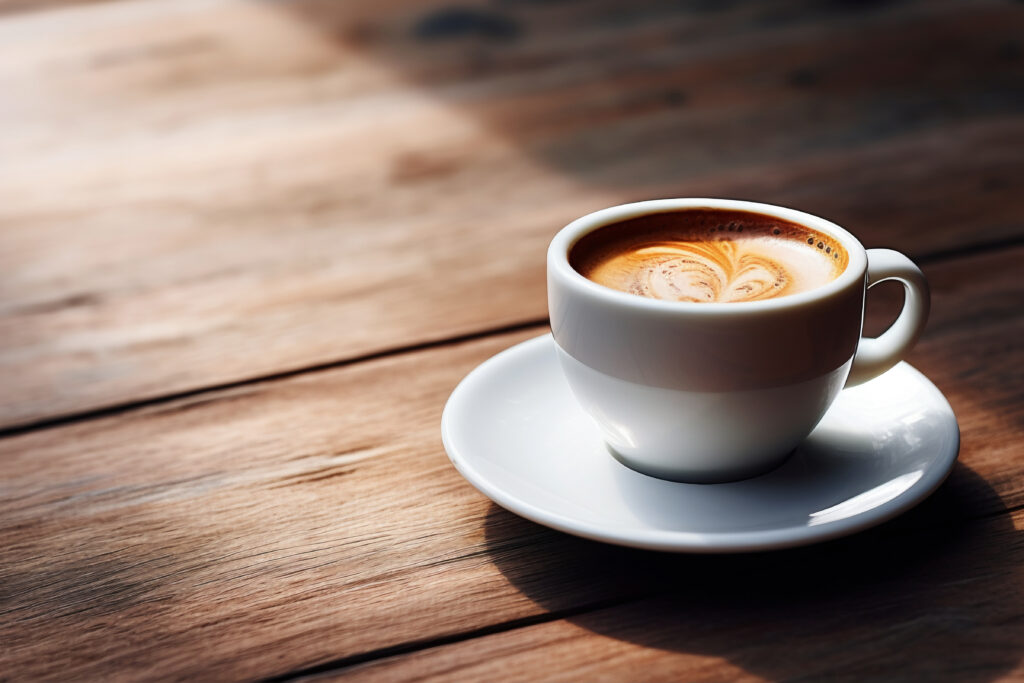
Milk science matters too, especially at a brunch-focused cafe where lattes, cappuccinos, and flat whites make up a large part of the order volume. Steaming milk is not just about making it hot. It is about introducing tiny air bubbles in a way that creates a smooth, velvety microfoam. The proteins in milk, both dairy and plant-based, change structure when heated, and the way they wrap around those air bubbles determines whether the texture feels silky or coarse. Oat milk, which is popular at SF brunch spots and best cafes in the Bay Area, behaves differently than whole dairy milk and requires its own technique to steam well. Good baristas know the difference and adjust accordingly.
Freshness is another factor the science supports strongly. Coffee beans are at their best in the days and weeks after roasting, while the gases and aromatic compounds created during roasting are still active. As those compounds dissipate, flavor flattens. Grinding beans just before brewing preserves those aromatics longer than buying pre-ground coffee. The best SF cafes source their beans regularly and grind to order when possible, which is one of the clearest signs that a place is serious about what they serve.
Coffee Science in the Context of a Great Brunch Experience
Understanding coffee science changes the way you experience your morning cup. When you taste something bright and fruity in a light roast pour-over, you are tasting the results of careful extraction and fresh beans. When a latte feels perfectly smooth and slightly sweet, it is because the milk was steamed to the right temperature with the right technique. When a cold brew tastes clean and rich without a trace of bitterness, it is because the long, cold extraction was done with the right ratio and grind.

At Barista Coffee & Brunch on Sacramento Street, these details live in every cup. The coffee program here reflects the kind of care that San Francisco food culture expects from its best brunch spots and cafes. Paired with a menu of hearty breakfast classics and fresh, flavorful brunch creations, the coffee is not just a drink on the side. It is a full part of the experience, made by people who understand what goes into a great cup and take that seriously.
For any coffee lover, Bay Area foodie, or SF brunch regular who has ever wondered why some cups taste so much better than others, the answer lives in these details. Temperature, grind, ratio, water quality, freshness, and skill all work together to create something greater than the sum of its parts. That is the science behind better coffee, and it is worth appreciating one sip at a time.