

Plant-Based or Dairy: What’s the Healthier Choice for Your Coffee?
Every morning, millions of people make a small but meaningful choice when they order their coffee. Do you go with regular milk, or do you pick oat, almond, soy, or coconut? It sounds like a simple question, but the answer depends on a lot of things, including your health goals, how your body reacts to certain foods, and honestly, what you enjoy most. In San Francisco, where cafe culture is woven into daily life and Bay Area food conversations tend to run deep, this question comes up constantly. People here care about what they put into their bodies, and the coffee they drink every day is no exception.
This is not about telling you that one choice is right and the other is wrong. Both dairy and plant-based milks have real strengths, and the best choice is usually a personal one. What this guide does is give you clear, honest information so you can make a call that works for you. Whether you are a longtime coffee lover who swears by whole milk, someone exploring oat milk for the first time, or a Bay Area foodie who just wants to understand what is actually in your latte, this breakdown covers everything you need.
What Dairy Milk Actually Brings to Your Coffee
Dairy milk has been the standard in coffee for a very long time, and that is not without reason. Whole milk and two-percent milk steam beautifully, which is why skilled baristas have relied on them for decades. The fat content in dairy milk creates a smooth, velvety texture when steamed properly, and it adds a natural sweetness that balances the bitterness of espresso in a way that feels familiar and satisfying.

From a nutrition standpoint, dairy milk brings a solid package to your cup. A standard serving of whole milk contains protein, calcium, vitamin D, vitamin B12, potassium, and natural fats. The protein in dairy milk, made up of casein and whey, is considered high quality because it contains all the essential amino acids your body needs. For people who do not have any issues digesting lactose, dairy milk in coffee is a simple, nutritious addition to the morning routine.
The fat content in whole milk also plays a role in how full you feel after your morning coffee. Fat slows digestion and adds staying power to a meal or drink, which is one reason a full-fat latte can carry you through a busy morning better than a black coffee alone. Skim milk has less fat and fewer calories, but it does not steam quite as well and tends to produce a thinner, less creamy texture in espresso drinks.
The main reasons people move away from dairy milk in their coffee tend to come down to a few things: lactose intolerance, a preference for plant-based eating, concerns about saturated fat, or simply wanting to try something different. All of those are completely valid, and the good news is that plant-based options have improved enough that switching does not mean giving up quality.
A Closer Look at Plant-Based Milk Options
The plant-based milk category has grown a lot over the past several years, and not all options are the same. Each one has its own nutritional profile, texture, and flavor, and understanding those differences helps you pick what actually fits your lifestyle and your taste.
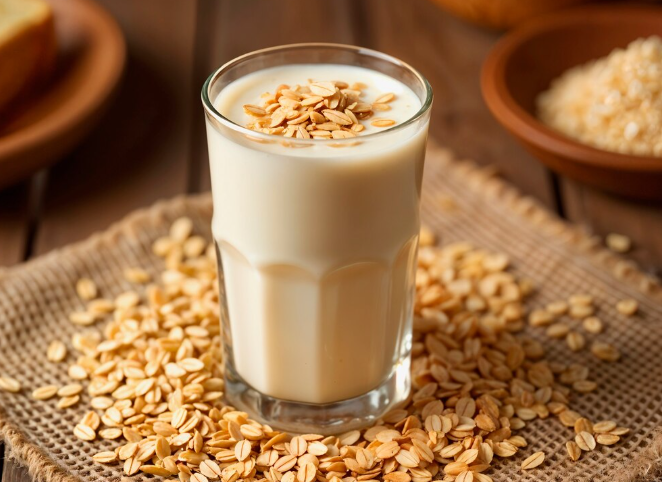
Oat milk is currently the most popular plant-based option in SF cafes and across Bay Area brunch spots. It steams well, froths easily, and has a mild, slightly sweet flavor that pairs naturally with espresso without overpowering it. Oat milk is higher in carbohydrates than most other plant milks, which gives it that creamy body, but it is lower in protein than dairy. It is a good choice for people avoiding dairy or soy, and it tends to be the most barista-friendly option, which is why you see it at so many top SF restaurants and best cafes in the Bay Area. Some oat milks are fortified with calcium and vitamin D to make up for what is naturally missing.
Almond milk is lighter than oat milk and has a lower calorie count, which appeals to people watching their intake. It has a slightly nutty flavor and thinner texture. It does not steam quite as well as oat milk and can sometimes separate in hot coffee, but cold almond milk lattes are smooth and pleasant. Almond milk is low in protein, so if protein is something you actively track, you would want to get it elsewhere in your meal.
Soy milk has the highest protein content of any common plant-based milk, making it the closest match to dairy in that specific area. It steams reasonably well and has a neutral, slightly beany flavor. Soy milk has been used in coffee for longer than most other plant alternatives, and it works well for people who want a more nutritious plant-based option.
Coconut milk in the cafe version, not the thick canned type, adds a rich, slightly tropical note to coffee. It is higher in saturated fat than other plant milks but lower in protein and carbs. It works well in chai, spiced lattes, and iced drinks where a little extra richness adds to the experience.
Here is a quick side-by-side comparison to make this easier:
- Dairy whole milk: High protein, calcium, vitamin D, natural fat, good for steaming, higher calories
- Oat milk: Moderate calories, low protein, good for steaming, mild flavor, often fortified
- Almond milk: Low calories, very low protein, thinner texture, nutty flavor, works better cold
- Soy milk: Moderate calories, highest plant-based protein, steams well, neutral flavor
- Coconut milk (cafe version): Creamy texture, higher saturated fat, low protein, works well in sweet or spiced drinks
How to Choose What Works for You
The honest answer is that there is no single healthiest option for everyone. Your body, your health goals, and your food preferences all play a role in what works best. Here are some practical ways to think about it.
If you are trying to increase protein in your diet, dairy milk or soy milk gives you the most per serving. If you are managing calories, almond milk is the lightest choice. If you want something that tastes great in a latte and steams like a dream, oat milk is hard to beat, which is why it has become a staple at so many SF brunch spots and best coffee shops in SF. If you are lactose intolerant, any of the plant-based options will serve you well, and you will not miss out on the coffee experience at all.
A few guide-style tips that any coffee lover in the Bay Area will find useful:
- Try different milks with different roasts. A light, fruity roast can taste very different with oat milk versus whole milk. Some pairings work better than others, and part of the fun is finding what you love.
- Look for fortified plant milks. Many oat, almond, and soy milks are now fortified with calcium, vitamin D, and B12, which helps close the nutritional gap with dairy.
- Watch the added ingredients. Some commercial plant milks contain added sugars, oils, and stabilizers. Reading the label helps you pick a cleaner option if that matters to you.
- Ask your barista. At a good SF cafe, the barista knows which milk steams best for which drinks. They are happy to make a recommendation based on what you are ordering.
- Consider the full meal. Coffee is one part of your morning. At a brunch spot that offers hearty breakfast classics and fresh, flavorful brunch creations, the milk in your coffee does not have to carry the full nutritional load for your day.
Coffee Culture in San Francisco
San Francisco is one of the best cities in the country for coffee, and Bay Area cafe culture has always pushed the standard higher. The barista skills you see at good SF cafes reflect years of practice and a genuine investment in quality. Part of that quality now includes knowing how to work with every type of milk on the menu, from whole dairy to the newest oat milk blend, and making each one taste its best in the cup.
At Barista Coffee & Brunch on Sacramento Street, the coffee program takes all of this seriously. Whether you order a classic whole-milk latte or a plant-based version with oat or almond milk, the care that goes into steaming, pouring, and serving stays the same. That consistency is part of what makes it a reliable stop for SF foodies, morning regulars, and anyone passing through the neighborhood looking for a well-made cup.
The plant-based versus dairy conversation is not going away, and that is a good thing. It means people are paying attention to what they eat and drink, asking better questions, and expecting more from the places they visit. San Francisco food culture thrives on exactly that kind of curiosity. Whether you drink dairy, plant-based, or switch between the two depending on the day, the most important thing is that your coffee tastes good and works for your life. At a great SF brunch spot, you should always have the freedom to make that choice and have it made well.