

Chai Latte Tastes Like Chai and Not Like Warm Brown Sugar Water
My friend Pita grew up in a household where chai was made from scratch every single morning. Her grandmother had a specific method involving whole spices, loose black tea, full fat milk, and a simmering process that filled the entire apartment with a smell that she still associates with feeling safe and taken care of. The ratio of ginger to cardamom to cinnamon to clove was not written down anywhere. It existed entirely in her grandmother’s hands and intuition and had been calibrated over decades.
Pita moved to San Francisco for graduate school and within the first week tried ordering a chai latte at a coffee shop near her apartment in the Mission because she was homesick and chai felt like the closest thing to home available within walking distance.
What arrived was sweet. Extremely sweet. Vaguely spiced in a way that suggested the people who made it had heard of the spices involved but were working from a description rather than experience. The milk was fine. The temperature was fine. But the chai itself, the thing that should have been the whole point, tasted like it came from a pump of syrup rather than from anything that had ever been near an actual spice.
She drank it because she’d paid for it and she was cold and it was warm. She did not order it again for about eight months.
Then someone in her program mentioned Barista Coffee and Brunch and specifically mentioned the chai latte and something in how they described it made her willing to try again. She ordered one expecting to manage her expectations and instead found herself sitting very still for a moment after the first sip because something in it reminded her of something real.
Not exactly her grandmother’s chai. Nothing in a coffee shop is going to be exactly that. But something that tasted like it understood what chai was actually supposed to be doing in a cup and had made real decisions about how to get there.
She texted her grandmother a photo of the cup. Her grandmother responded with a single word in their language that Pita translated for me as something between acceptable and you’ll do. From her grandmother on the subject of chai that’s essentially a standing ovation.
What Chai Actually Is Because the American Version Has Drifted Pretty Far From the Original
Chai means tea in Hindi. Just tea. When someone in India asks for chai they’re asking for tea the way someone in America asks for coffee, it’s the default hot drink and the word itself doesn’t specify anything beyond that.
What Americans call chai latte is specifically masala chai, which means spiced tea. Masala chai is made by simmering black tea with a blend of warming spices, typically cardamom, cinnamon, ginger, cloves, and black pepper in various combinations and proportions depending on the region and the household making it, along with milk and sweetener. The result is something warming and complex and deeply specific in a way that reflects thousands of years of spice culture and tradition.
What happened in American coffee shop culture is that masala chai got simplified into a syrup. The syrup contains sweetener and some version of the spice flavor profile and gets pumped into steamed milk to produce something that’s quick and consistent and tastes like a sweet approximation of chai rather than the thing itself.
This syrup version is not inherently terrible. Some syrup based chai lattes are pleasant enough and meet people where their expectations are. But if your reference point for chai is anything close to the real thing the syrup version is going to taste like a photocopy of a photocopy. The original is there somewhere in the lineage but several generations of reproduction have softened and flattened everything interesting about it.
Barista Coffee and Brunch makes chai that starts from a better place than the syrup pump. The spice character is real. The complexity is present. The sweetness is there but it’s not running the whole show the way it does when a heavily sweetened syrup is the primary chai ingredient.
The Spice Question Because It’s the Whole Thing
Cardamom is the most distinctive spice in a good masala chai and it’s the one most likely to be either absent or synthetic tasting in a bad one. Real cardamom has a specific floral quality alongside its warmth that synthetic cardamom flavor almost never captures. It’s the spice that makes chai smell the way chai is supposed to smell and when it’s right you notice immediately.
Ginger in chai should have some heat. Not aggressive heat but the kind of gentle warmth that builds slowly as you drink and sits in the back of your throat after you swallow. Dried ginger and fresh ginger do different things in chai. Dried ginger is more consistently warming. Fresh ginger has more brightness and sharpness. The best chai uses both or uses one with enough quality that it approximates what the other contributes.
Cinnamon adds sweetness and warmth that ties the other spices together. Cloves add depth and a slight bitterness that prevents the whole thing from becoming cloying. Black pepper, which some people are surprised to find in chai, adds a back-of-the-throat warmth that’s different from ginger heat and that you might not be able to identify specifically but would definitely miss if it weren’t there.
These spices need to be present in proportions that make sense. Too much cardamom and it becomes perfume-like and overwhelming. Too much clove and it tastes medicinal. Too little ginger and the warmth that chai is supposed to provide doesn’t materialize. Getting the balance right is the whole skill of chai making and it’s what separates a chai latte that tastes like chai from one that tastes like sweet spiced milk.
At Barista Coffee and Brunch the spice balance is real and considered. Pita confirmed this on that first visit and has confirmed it on every subsequent visit. She said the cardamom is present and actual. The ginger has warmth. The whole thing has the complexity that comes from real spice decisions rather than a single syrup approximating all of them at once.
The Tea Base Because Chai Is Still Tea and That Matters
Something that gets lost in a lot of American chai lattes is that chai is fundamentally a tea drink. The tea is supposed to be there doing real work alongside the spices and milk. A strong black tea base contributes tannins and depth and a slight bitterness that balances the sweetness and rounds out the spice warmth in a way that makes the whole drink make sense.
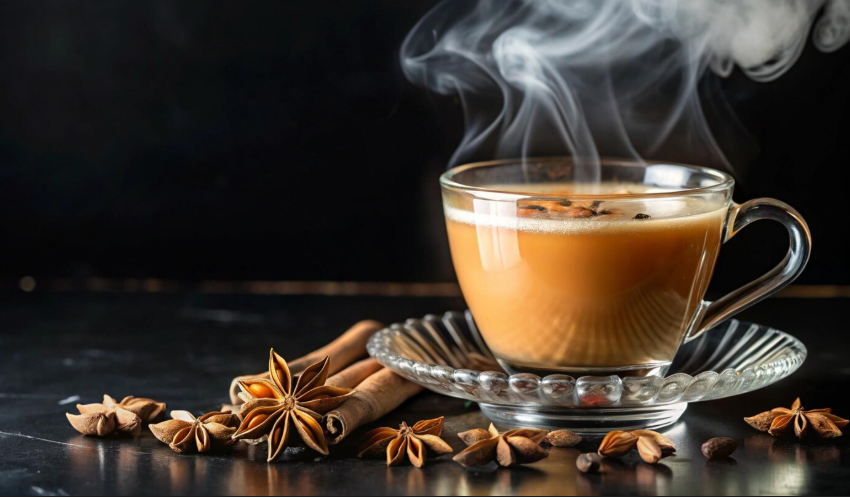
When the tea base is weak or absent the chai latte loses its anchor. You’re left with spiced sweet milk which is pleasant but not quite chai. The tannins that a good strong black tea brings to the combination are the thing that makes chai feel substantial rather than just sweet and warm.
The tea base in a chai latte also affects how long the flavor stays with you after you finish the cup. A proper strong black tea base leaves a finish that lingers in a satisfying way. A syrup based chai without real tea behind it tends to fade immediately and leave mainly sweetness.
Barista Coffee and Brunch uses a tea base in their chai that actually contributes to the drink rather than serving as background hydration for the spice syrup. The tea is there and it’s strong enough to matter. Pita noticed this specifically because she said her grandmother’s chai always had a tea strength that you felt as much as tasted and finding something approximating that in a San Francisco coffee shop was not something she’d expected to happen.
Milk and Chai Because the Fat Content Changes Everything
Traditional masala chai uses full fat milk and the fat content is not incidental. The fat in whole milk does specific things in chai that lower fat milks don’t quite replicate. It carries the fat soluble spice compounds and distributes them through the drink in a way that makes the flavor more even and present throughout rather than concentrated in certain sips. It adds a richness and body that makes the drink feel warming in a physical sense that matches what the spices are doing.
That said the milk alternative situation in chai is interesting and worth talking about because some alternatives work better than others specifically in the chai context.
Oat milk is the most successful dairy alternative for chai because its natural sweetness complements the spice profile and its fat content is high enough relative to other alternatives to do some of the work that whole milk does. It steams well and integrates with the chai in a way that feels unified rather than like two separate things occupying the same cup.
Coconut milk has an obvious flavor that either works with chai or competes with it depending on the specific spice blend and the person’s preference. Some people love coconut milk chai and find the tropical note interesting alongside the warming spices. Others find it distracting. It’s a real choice that produces a genuinely different drink rather than just a substitution.
Almond milk is thinner and less fat than oat milk and the result in chai tends to be a lighter drink that some people prefer specifically for that reason. It doesn’t have the same body as oat milk chai but it has a clean quality that lets the spices come through clearly.
Barista Coffee and Brunch handles all of these options with the attention they give to milk alternatives across their menu. The chai with oat milk specifically has become something of a regular order for people who don’t do dairy and want the closest possible experience to the full milk version.
A woman named Hana who is strictly dairy free and grew up drinking chai told me the oat milk chai at Barista Coffee and Brunch is the first dairy free version she’s had that didn’t feel like a compromise. She said it tasted like chai that happened to use oat milk rather than chai that was apologizing for not using dairy. That distinction is exactly the right way to describe what good milk alternative handling produces.
Iced Chai Latte Because the Spices Work Cold Too
The iced chai latte is a different experience from the hot version and it deserves its own consideration rather than being treated as just a cold version of the same drink.
Cold changes how the spices register on the palate. The warming sensation that ginger and black pepper produce is less pronounced when the drink is cold but the flavor of those spices actually becomes more distinct and identifiable. You can taste the individual spices more clearly in an iced chai because the cold slows down how the flavors blend together and keeps them slightly more separate and distinct.
The sweetness also registers differently when cold. What tastes balanced in a hot chai can taste sweeter when the same drink is iced because cold suppresses some of the spice heat that counterbalances the sweetness in the hot version. This means a good iced chai needs slightly different calibration than the hot version rather than just being the same drink poured over ice.
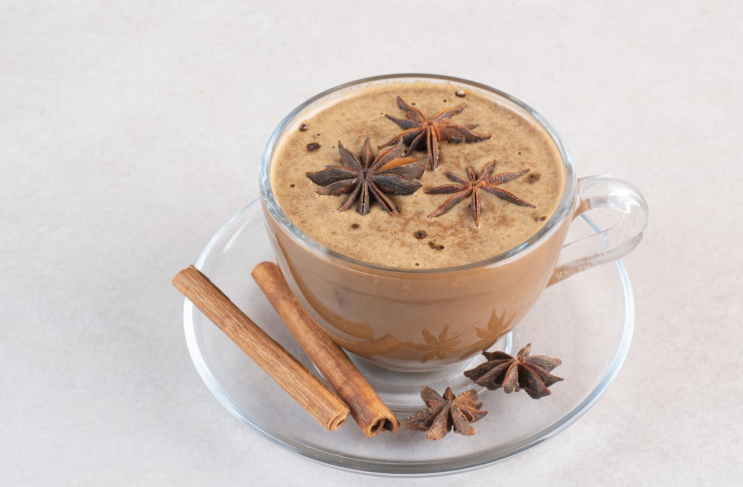
Barista Coffee and Brunch makes iced chai that accounts for these differences. The cold version is calibrated for being cold rather than just being the hot version at a lower temperature. Pita tried the iced version on a warm October afternoon in San Francisco when the second summer was doing its thing and said it was the first iced chai she’d had anywhere in the city that tasted like it was designed to be iced rather than resigned to it.
Dirty Chai Because Espresso and Chai Is a Real and Good Combination
A dirty chai is a chai latte with a shot of espresso added. It sounds like it shouldn’t work and then you try it and wonder why you weren’t doing this all along.
The espresso adds a coffee bitterness that plays interestingly against the spice warmth of the chai. The combination has more caffeine than either drink alone which is sometimes exactly what a particular morning requires. The roasted quality of the espresso and the warmth of the chai spices have a compatibility that makes sense once you taste it even if it’s hard to explain beforehand.
At Barista Coffee and Brunch the dirty chai works specifically because both components are good individually. A good chai latte with a mediocre espresso produces a dirty chai that’s mostly chai with some bitterness added. A mediocre chai latte with good espresso produces something where the espresso is doing too much work to compensate for what the chai isn’t contributing. When both are right the combination is genuinely better than either alone.
Pita tried the dirty chai on her third visit at Barista Coffee and Brunch because a barista recommended it and she was in a mood to be convinced. She said the espresso and chai worked together in a way that surprised her because she’d assumed espresso would overwhelm the chai spices. Instead she said the espresso and the cardamom specifically seemed to understand each other which is a way of describing flavor compatibility that I find perfect even though it’s not technically a thing flavors can do.
San Francisco Has a Lot of Chai Lattes and This Is the One Worth Finding
The city has enough cafes that chai latte is available basically everywhere. The quality range is significant. Most of what’s available is the syrup version in various degrees of sweetness and spice intensity. Some places do better than that. Very few do what Barista Coffee and Brunch does which is make chai that tastes like actual decisions were made about actual spices by people who understand what chai is supposed to be.
Pita has sent the photo of her cup to her grandmother twice since that first time. Her grandmother’s response has not changed. Still the same word. Still the same translation of acceptable crossed with you’ll do.
Pita says that’s exactly right. It’s not her grandmother’s chai. It will never be her grandmother’s chai because that chai lives in a specific kitchen with specific hands and specific love behind it that no coffee shop in any city can replicate. But it’s chai that knows what it’s trying to be and gets there with enough honesty and care that someone who grew up with the real thing can drink it and feel something rather than nothing.
That’s worth finding and worth coming back to and Barista Coffee and Brunch in San Francisco is where you go to find it.