

Difference Between Juice and Smoothies
Stand at any cafe counter on a busy weekend morning and you will see the question happen again and again. Someone looks at the menu, sees a bright orange juice and a thick pink smoothie, and pauses. Both look healthy. Both come in a tall cup. Both are made from fruit. So what is the real difference? The answer matters more than most people think, because the two drinks act very differently once they reach your body. One can leave you hungry again in an hour. The other can carry you through a long morning.
San Francisco is a city that cares about what goes into its food and drinks. Walk through any neighborhood in the Bay Area and you will find juice bars, smoothie shops, and brunch cafes all proudly showing off their fresh ingredients. This guide explains how juice and smoothies are made, how they compare on nutrition, and how to pick the right one for your own morning. By the end, you will know exactly what to order the next time you sit down at one of your favorite brunch spots.
How Each Drink Is Made
The biggest difference starts with the process. Juice is made by pressing or squeezing fruits and vegetables to pull out the liquid. The pulp, skin, and most of the fiber are separated and set aside. What remains is a thin, smooth drink made mostly of water, natural sugars, vitamins, and minerals. A glass of orange juice, for example, may take three or four oranges to fill, which is far more fruit than most people would eat in one sitting.
Smoothies are made in a blender, and the whole ingredient goes in. Fruit, vegetables, seeds, and sometimes the skin are broken down into a thick, creamy drink. Nothing is removed. Because the fiber stays in, a smoothie is thicker and heavier than juice. Many smoothies also include extra ingredients such as yogurt, milk, nut butter, oats, or protein powder, which turn the drink into something closer to a small meal.
There are two main kinds of juice machines. Centrifugal juicers spin fast and are quick and affordable, while cold press juicers squeeze slowly and are often praised for keeping more flavor. Blenders are simpler. You add your ingredients, press a button, and in less than a minute you have a drink. This is one reason smoothies are so popular at home. They take little effort and almost no cleanup compared to juicing.
What Happens Inside Your Body
Fiber is the key to understanding how these two drinks differ. Fiber slows down how quickly your body absorbs sugar. When you eat a whole piece of fruit or drink a smoothie that contains the fiber, the sugar enters your bloodstream slowly and steadily. That means more even energy and a longer feeling of fullness. When you drink juice, most of that fiber is gone, so the natural sugar reaches your bloodstream faster. The result can be a quick burst of energy followed by a dip, especially if you drink juice on an empty stomach.
This does not mean juice is bad. Fresh juice still contains vitamins, minerals, and helpful plant compounds. A small glass of orange juice offers a good dose of vitamin C, and a glass of fresh carrot juice is rich in vitamin A. Juice can also be a gentle option for people who find it hard to eat enough fruits and vegetables, or who feel too unwell to chew a full meal. The point is simply that juice behaves differently from a smoothie, and a small serving is usually the wisest choice.
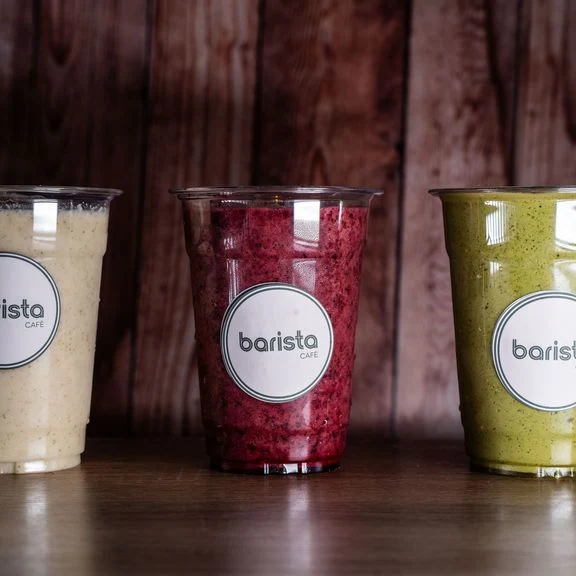
Calories add up differently too. Because a smoothie is thicker and often includes several ingredients, it tends to have more calories than a glass of juice. For many people, that is a good thing. A smoothie made with banana, spinach, yogurt, and peanut butter can easily work as a full breakfast, giving you protein, healthy fat, and fiber together. Juice usually works better as a light drink beside a meal rather than as the whole meal itself.
Protein is another difference. Juice has almost none, while a smoothie can have a lot depending on what you add. Greek yogurt, milk, silken tofu, chia seeds, hemp seeds, and nut butters all bring protein and make a smoothie more filling. If you have a long morning ahead, that extra staying power can make a real difference.
How to Choose Between Them
The best choice depends on what you need from your drink. If you want something light and refreshing to go with a meal, a small glass of fresh juice fits well. It is bright, easy to sip, and pairs nicely with eggs, toast, or pancakes. Think of it as a companion to your plate rather than the plate itself.
If you are looking for a drink that can stand in for breakfast, or if you need fuel before a busy day or a workout, a smoothie is usually the better pick. Look for one that includes a source of protein and a bit of healthy fat, since those keep you satisfied for hours. A smoothie made only from fruit is tasty, but adding yogurt, oats, or seeds gives it balance.
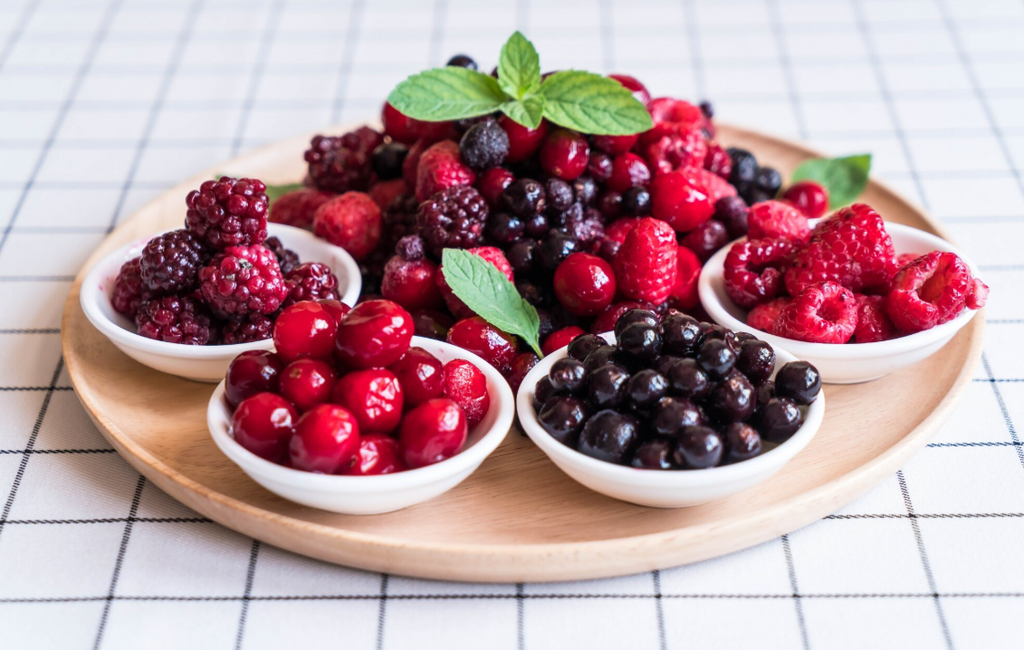
Pay attention to added sugar, whether you order juice or a smoothie. Some commercial drinks include syrups, sweetened yogurts, or fruit concentrates that push the sugar content much higher than you would expect. Asking what goes into the drink is always a good idea. A simple smoothie with fruit, plain yogurt, and a little milk is naturally sweet and does not need extra sugar at all.
Portion size matters as well. A giant cup of juice can contain the sugar of several pieces of fruit. A small glass is often plenty. With smoothies, a regular size is usually filling enough that you do not need to go large. If you are watching your sugar intake, choosing smoothies with leafy greens or vegetables like cucumber, celery, or carrot can add nutrition while keeping the sweetness in check.
A few tips can help you at any cafe. Choose drinks made with fresh fruit instead of syrups. Pair juice with a meal that includes protein to slow sugar absorption. Pick a smoothie when you want to feel full, and juice when you want something light. If you have a health condition such as diabetes, talk with a doctor or dietitian about the drinks that suit you best.
Where Juice and Smoothies Fit Into Brunch
Brunch is the perfect time to enjoy either drink. In San Francisco, weekend brunch is a ritual, and the drinks menu is part of the fun. Many foodies in the Bay Area like to start with a fresh juice while they wait for their plates, then order coffee afterward. A coffee lover might pair a bright citrus juice with a rich, hearty breakfast, since the acidity cuts through eggs, potatoes, and bacon beautifully. Others reach for a berry or green smoothie alongside a lighter dish like avocado toast or a yogurt bowl.
If you are building your own San Francisco foodie guide or Bay Area brunch guide, look for places that make their drinks fresh to order and are happy to explain what goes into them. A cafe that treats its smoothies and juices with the same care as its espresso usually treats the whole menu with care. A skilled barista understands balance, and that same attention often shows up in how a smoothie is blended or how a juice is poured.
Barista Coffee & Brunch on Sacramento Street in San Francisco is a welcoming spot for exactly this kind of morning. The menu runs from hearty breakfast classics to fresh, flavorful brunch creations, which gives you plenty of ways to build a meal around a drink you enjoy. Whether you are meeting friends for a relaxed weekend catch-up, sharing a table with family, or sitting down on your own with a good book, it is an easy place to settle in and take your time.
Juice and smoothies may look alike in a glass, but they are different drinks with different strengths. Juice is light, quick, and refreshing. Smoothies are thick, filling, and full of fiber. Neither one is better in every situation, and both can be part of a balanced day. Choose the one that fits your appetite, keep an eye on added sugar, and enjoy it slowly. The next time you are deciding where to eat in SF and what to sip with your meal, you will know just what to order and why.