

What Are the 10 Most Expensive Coffees in the World?
Coffee is one of the most widely consumed drinks on the planet, and for most people it is a daily ritual that costs a few dollars at their favorite SF cafe or a handful of cents brewed at home. But at the far end of the coffee world, there exists a category of beans so rare, so labor-intensive, or so unusual in their production that a single cup can cost more than a restaurant meal, and sometimes more than a plane ticket.
For any coffee lover, foodie, or curious person who has ever wondered what sits at the absolute top of the coffee market, this guide covers the ten most expensive coffees in the world and explains exactly what makes each one worth its price tag.
San Francisco has always been a city that takes coffee seriously. Bay Area food culture celebrates quality, craftsmanship, and the story behind what ends up in your cup. Understanding the rare and extraordinary end of the coffee world deepens your appreciation for the craft, even when your daily order is something far more accessible. Let us look at what the most expensive coffees actually are and why they command the prices they do.
The World’s Most Expensive Coffees, Ranked and Explained
1. Black Ivory Coffee, approximately $500 to $1,000 per kilogram
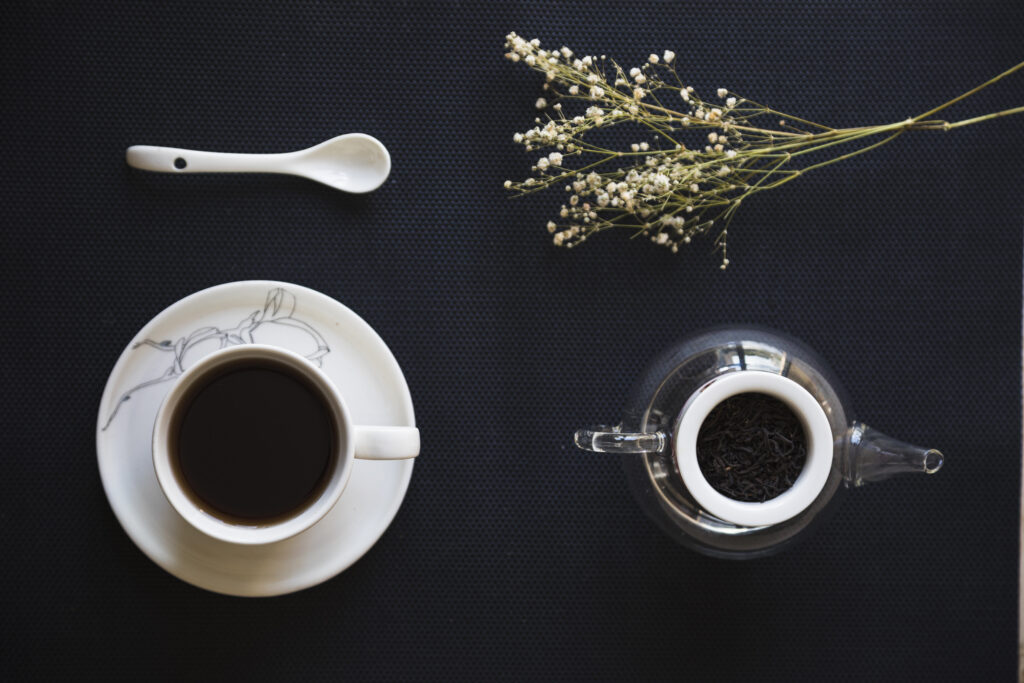
Black Ivory Coffee comes from Thailand and is produced using a process that involves Asian elephants. Arabica coffee cherries are fed to the elephants, and during digestion, the beans ferment inside the animals. Enzymes in the elephant’s digestive system break down the proteins in the coffee that are responsible for bitterness, producing a bean that is unusually smooth, earthy, and complex. The beans are then collected, cleaned, and roasted. The production volume is extremely small, which drives the price up considerably. A single cup at a hotel that serves it can cost around $50 or more.
2. Kopi Luwak, approximately $100 to $600 per kilogram
Kopi Luwak is probably the most famous expensive coffee in the world. It originates from Indonesia and involves Asian palm civets, small cat-like animals that eat ripe coffee cherries. The beans pass through the civet’s digestive system and are collected from their droppings. Similar to Black Ivory, the fermentation process during digestion changes the flavor profile of the beans, reducing bitterness and adding a smooth, slightly caramel-like quality. Ethical sourcing is an important conversation around Kopi Luwak, and many specialty coffee buyers now focus on wild-sourced versions rather than farmed ones.
3. Hacienda La Esmeralda Geisha, approximately $300 to $600 per kilogram
This coffee from Panama has won more international coffee competitions than almost any other single-origin bean. The Geisha variety, grown on Hacienda La Esmeralda in the highlands of Boquete, produces a cup with an extraordinary floral aroma, bright citrus acidity, and a tea-like clarity that is unlike most other coffees. It has developed a near-legendary status among SF foodie communities and Bay Area coffee culture. Auction prices for the best lots have exceeded $1,000 per kilogram in exceptional years.
4. St. Helena Coffee, approximately $80 to $145 per kilogram
Grown on the remote island of St. Helena in the South Atlantic, this coffee benefits from the island’s unique volcanic soil, clean air, and isolation from pests and disease. The Green Tipped Bourbon variety grown there produces a bright, winey cup with floral notes and a clean finish. The remoteness of the island makes logistics expensive, which is a major driver of the high price. Napoleon Bonaparte reportedly loved the coffee from St. Helena, which adds a layer of historical interest to every cup.
5. Ospina Dynasty Grand Cru, approximately $75 to $100 per kilogram
Ospina Coffee from Colombia claims to be one of the oldest coffee producers in the world, with roots going back to the early 1800s. Their Grand Cru is grown at high altitudes in the Colombian Andes using plants descended from original Arabica trees brought to the country generations ago. The coffee is characterized by a smooth, mild flavor with natural sweetness and low acidity. It is served at exclusive hotels and high-end restaurants around the world.
6. Finca El Injerto, approximately $50 to $100 per kilogram
This Guatemalan coffee from the Huehuetenango region consistently places at the top of Cup of Excellence competitions, which are international blind-tasting competitions that set the benchmark for coffee quality. The small, dense beans grown at high altitude produce a complex cup with bright acidity, fruity sweetness, and a long, clean finish. Auction prices for winning lots can be many times the standard market price for specialty coffee.
7. Jamaican Blue Mountain Coffee, approximately $50 to $80 per kilogram
Jamaican Blue Mountain is one of the most recognized premium coffees in the world and has been for decades. Grown in the Blue Mountains east of Kingston at elevations above 5,000 feet, it is characterized by a very mild flavor, almost no bitterness, and a clean, balanced cup. Japan purchases the majority of the annual crop, which limits global availability and keeps prices high. It is a gentle, approachable coffee that appeals to people who find most other premium coffees too intense.
8. Hawaii Kona Extra Fancy, approximately $40 to $60 per kilogram
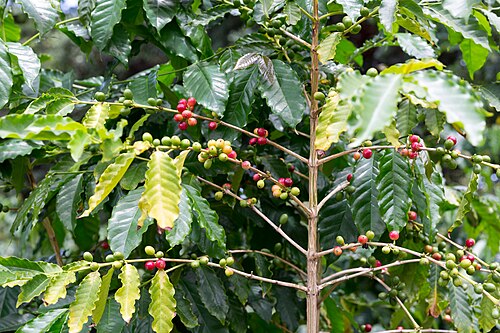
Kona coffee from the Big Island of Hawaii is grown on the volcanic slopes of Mauna Loa and Hualalai. The combination of rich volcanic soil, consistent cloud cover in the afternoons, and warm temperatures creates conditions that produce a medium-bodied, smooth coffee with low acidity and a pleasant nuttiness. The Extra Fancy grade represents the largest and most carefully selected beans in the Kona crop. As a domestic American coffee with a small growing region and high production costs, it remains one of the priciest coffees available in the US market.
9. Yirgacheffe Ethiopian Washed Grade 1, approximately $30 to $50 per kilogram
Ethiopia is the birthplace of coffee, and Yirgacheffe is widely regarded as one of its most exceptional growing regions. The washed, or wet-processed, Grade 1 beans from this region produce a cup with intense floral and jasmine aromas, bright citrus and berry notes, and a tea-like body that many coffee lovers consider the most elegant expression of what coffee can be. While more accessible than some of the others on this list, the finest lots from Yirgacheffe are prized by specialty roasters and command premium prices at auction.
10. Molokai Coffee, approximately $30 to $50 per kilogram
Grown on the island of Molokai in Hawaii, this coffee is produced in very small quantities and rarely makes it beyond local and specialty markets. The volcanic soil and island climate produce a smooth, full-bodied cup with a naturally sweet finish. Like Kona, the high cost of growing coffee in Hawaii combined with limited supply keeps prices elevated. It is less well-known than Kona but equally respected among people who seek out Hawaiian coffees.
What Makes a Coffee Worth That Price
Looking across all ten of these coffees, a few consistent themes explain the pricing. Rarity is the biggest factor. When a coffee can only be produced in tiny amounts, whether because of a small growing region, an unusual production method, or a limited number of plants, demand will always outpace supply and prices rise accordingly.
Terroir, which is the combination of soil, altitude, climate, and geography that shapes the flavor of an agricultural product, plays a central role too. The best expensive coffees come from places with conditions that cannot be replicated elsewhere. The volcanic slopes of Hawaii, the high-altitude cloud forests of Panama, the remote island of St. Helena, these are not interchangeable locations. The coffee they produce could not exist anywhere else in quite the same way.
Labor intensity also drives cost. Coffees like Kopi Luwak and Black Ivory require collection processes that are slow, unusual, and difficult to scale. Hand-picking, selective harvesting, and meticulous post-processing at farms like Hacienda La Esmeralda add hours of skilled work to every kilogram produced. Award-winning coffees that have placed at Cup of Excellence also carry price premiums that reflect the recognition and limited quantities available after judging.
For any coffee lover in San Francisco, exploring the world of premium coffee is a natural extension of the curiosity that already drives Bay Area food culture. You do not have to spend hundreds of dollars to appreciate what makes these coffees special. Understanding what sets them apart makes the cup in front of you, wherever you are, taste a little more interesting.
At Barista Coffee & Brunch on Sacramento Street, the coffee is made with genuine care and real barista skills. From a well-pulled espresso to a smooth cold brew, the experience reflects what good coffee culture looks like in practice. Pair that with hearty breakfast classics and fresh, flavorful brunch creations and you have exactly the kind of morning that reminds you why people in San Francisco take their coffee so seriously. The world’s rarest coffees are worth knowing about, and your next great cup might be closer than you think.