

How to Identify Truly Fresh Pastries
There is something about a fresh pastries that is hard to fake. When a croissant is pulled from the oven that morning, the layers are distinct, the exterior is shatteringly crisp, and the inside is soft, slightly chewy, and warm. When a muffin is fresh, it has a slight spring when you press it gently, and the top domes up with a clean, baked look. These qualities disappear quickly.
By the next day, or even a few hours later in some cases, the same pastry can turn soft in the wrong places, dense, or just flat in flavor. Knowing how to tell the difference between a truly fresh pastry and one that has been sitting around is a useful skill, especially when you are visiting one of the many cafes and brunch spots across San Francisco where pastries are a big part of the morning experience.
In a city like San Francisco, where Bay Area food culture prizes quality and freshness at every level, the pastry case at a good SF cafe says a lot about how seriously that place takes its food. The best breakfast spots and brunch spots in the city source or bake their pastries daily, and the difference shows in every bite. This guide walks you through exactly what to look for so you can always identify a truly fresh pastry, whether you are at a neighborhood cafe on Sacramento Street or exploring Bay Area eats on a weekend morning.
What Fresh Pastries Look Like
The visual signs of freshness are often the first clues, and once you know what to look for, they are easy to read. A fresh pastry carries a certain quality in its appearance that is distinct from something that has aged even a few hours past its prime.
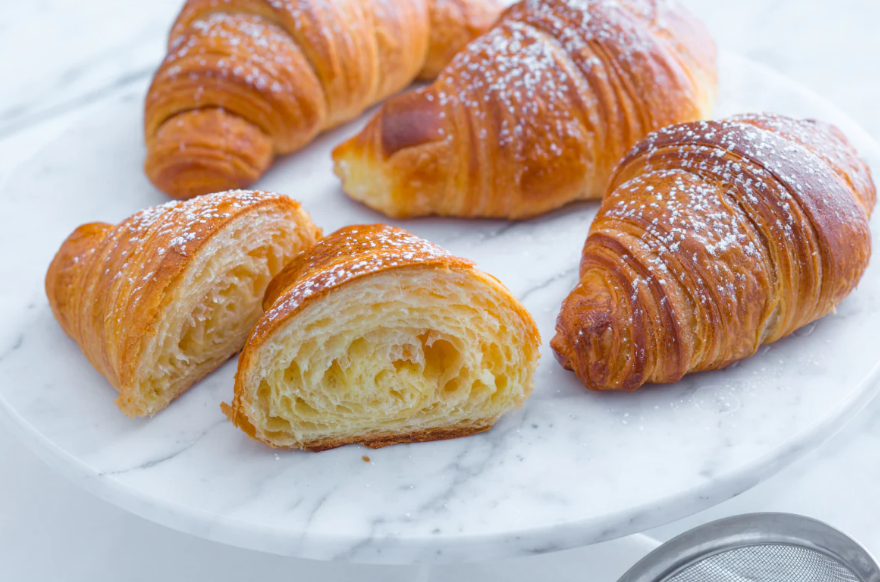
Color is one of the clearest indicators. Fresh baked goods have an even, golden-brown color that comes from the Maillard reaction, the same chemical process that browns bread and gives roasted foods their appealing color. A croissant or Danish that is truly fresh will have a rich, uniform golden color with slightly deeper browning on the edges and tips. If the color looks pale and dull, or conversely, if it looks dark and uneven in a way that suggests reheating, those are both signs worth noticing.
Texture on the surface tells a story too. Fresh croissants and puff pastry items have a surface that looks layered and slightly flaky, with visible definition between the layers. That definition softens as the pastry absorbs moisture from the air over time. A croissant that has been sitting since the day before will look smoother and more compressed on the outside, with less visible lamination in the dough.
For muffins, scones, and quick breads, the top should look clean and slightly domed. A fresh muffin has a dry, slightly crisp top that forms naturally during baking. When a muffin sits too long, the top becomes shiny and soft from moisture migration within the pastry itself. That shiny, slightly tacky surface is a sign that it has been sitting for a while. A fresh scone has visible, clean layers at its sides from the folding process, and the surface looks dry and lightly textured rather than smooth and soft.
Fruit-filled pastries like danishes or turnovers should have fillings that look glossy and set rather than wet and leaking. When fruit fillings have been sitting in a pastry for too long, they begin to seep through the dough and make the base soggy. A fresh fruit pastry holds its shape, with the filling contained and the pastry dry on the outside.
How Fresh Pastries Feel and Smell
Beyond what you can see, touch and smell give you even more information about how fresh a pastry actually is. These sensory cues are used by bakers, food buyers, and experienced SF foodies every day.
The smell of a fresh pastry is one of the most unmistakable things in food. Butter-based pastries like croissants and kouign-amann have a warm, rich, slightly yeasty aroma when they are fresh. That aroma comes from volatile compounds released during baking and immediately after, and it fades relatively quickly at room temperature. If you walk into a café and you can smell fresh baking, that is a very good sign. If the pastry case looks full but you cannot detect any aroma at all, the pastries may have been baked earlier and have had time to lose those volatile compounds.
Weight is something most people do not think about, but it matters. A fresh croissant feels light for its size because of the air pockets created during lamination and proofing. As it sits, it absorbs moisture and becomes denser. Pick up a croissant if you can and notice whether it feels airy or heavy. A light, almost hollow feel means the layers are intact and the pastry was recently baked.
Touch tells you a lot too, even without pressing too hard. A fresh croissant or puff pastry item should produce a slight crinkle or crunch when you press very gently on the surface. That sound and resistance come from the crisp outer layers. A day-old croissant will feel soft and yielding from the moment you touch it, with no crunch at all. For a fresh scone, the exterior should feel dry and slightly rough. If it feels soft and smooth all over before you have bitten into it, it has likely been sitting out for several hours.
What to Look For at Cafes and Brunch Spots in SF
Understanding freshness cues at home is one thing, but applying them when you are at a cafe or SF brunch spot gives you the ability to make smarter choices and get more out of every visit. Here are some practical guide-style tips that any foodie or coffee lover in the Bay Area will find useful.
Ask when the pastries were baked. A good cafe is proud of its baking schedule and will tell you directly. Many of the best SF cafes bake their pastries early in the morning and bring out fresh batches throughout the day. Some partner with local bakeries that deliver daily. Either way, the staff should know when the pastries were made, and a fresh answer to that question is a good sign in itself.
Look at the pastry case with intention. A case that is nearly sold out by mid-morning often means the pastries were genuinely popular and have been moving quickly, which is a positive sign for freshness. A case that still looks completely full at noon without any visible restocking might mean the same batch has been sitting since early morning. Busy spots tend to have fresher pastries simply because turnover is high.
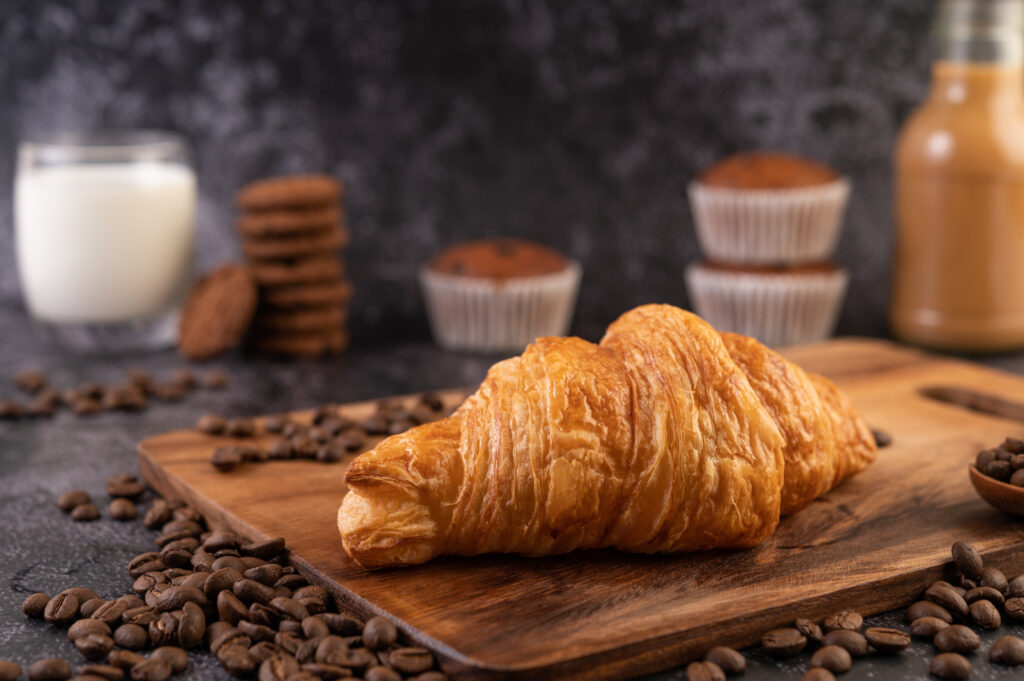
Pay attention to how pastries are stored and displayed. Croissants and laminated pastries do best at room temperature on an open rack or in a lightly covered case where airflow is possible. Storing them in sealed plastic containers traps moisture and softens the exterior quickly. If you see fresh croissants wrapped tightly in plastic at a cafe, they may have already lost some of their crispness.
Here is a quick checklist of freshness signs to look for before you order:
- Golden, even color with natural browning on edges and tips
- Visible layers on croissants and puff pastry with defined, flaky texture on the surface
- Domed, dry top on muffins and quick breads with no shiny or tacky appearance
- Contained fillings on fruit pastries with no seeping or soggy base
- Light weight relative to size, especially for croissants and laminated doughs
- Detectable aroma of butter, yeast, or baking near the display
- Dry, slightly textured surface on scones with visible layers at the sides
- Slight crunch or resistance when the pastry is very gently touched
Notice how the pastries are priced and rotated. Quality cafes that bake fresh daily sometimes discount pastries later in the afternoon rather than leave them on display past their best point. That practice reflects respect for the product and for the customer. It is a small thing, but it says a lot about how a cafe thinks about its food.
Barista Coffee & Brunch on Sacramento Street takes the food side of the experience as seriously as the coffee. From hearty breakfast classics to fresh, flavorful brunch creations, the approach to quality runs through everything that comes out of the kitchen. That same thinking applies to the pastry case. When a cafe is genuinely invested in the full experience, freshness is not an afterthought. It is the starting point.
San Francisco food culture has always held cafes and breakfast spots to a high standard, and pastries are no exception. The best brunch spots in SF know that a great morning starts with a great bite alongside a great cup of coffee. As a foodie or regular cafe visitor in the Bay Area, knowing how to identify a truly fresh pastry helps you appreciate the work that goes into making one and makes every visit to a good SF cafe more rewarding. A fresh pastry is worth seeking out. Once you know what to look for, you will always be able to find one.